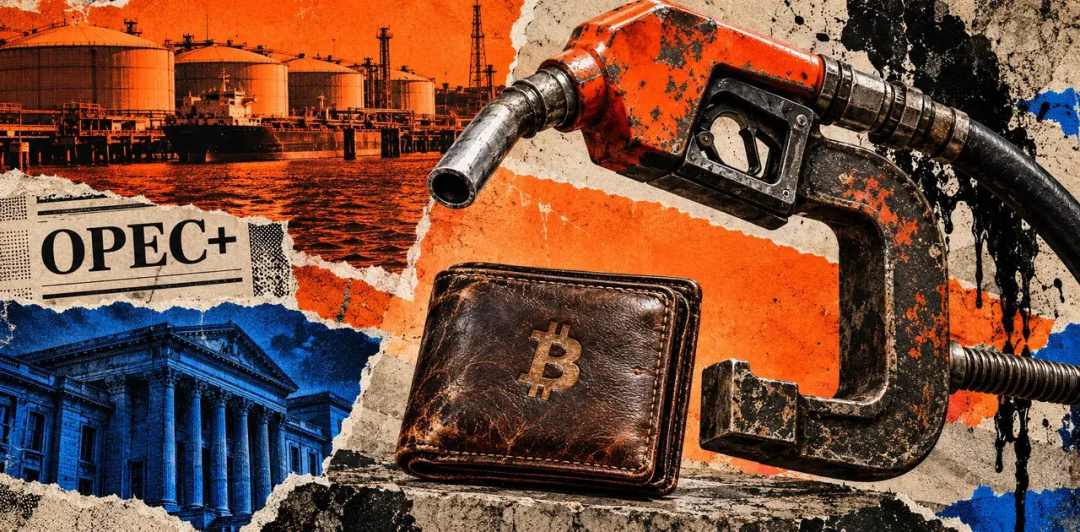
Kevin Warsh Emphasizes Inflation Control Amid Oil Price Pressures
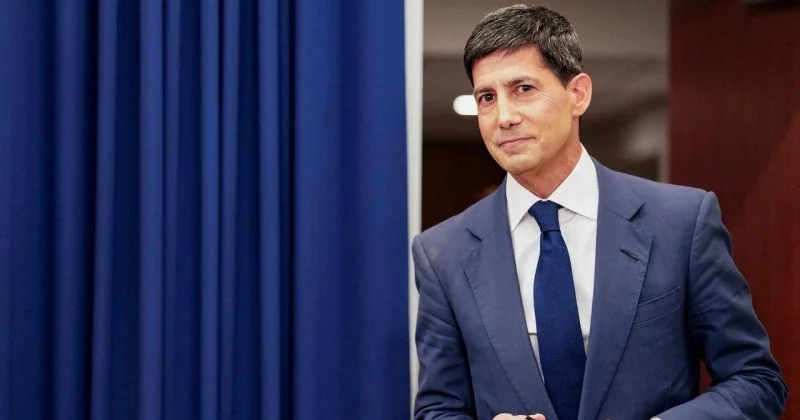
Kevin Warsh, who took over as Chair of the Federal Reserve on May 22, 2026, is making it clear that the central bank will not rush into rate cuts. His focus is on controlling inflation, aiming to bring it back to the 2% target before making any adjustments to the current interest rate, which is held steady at approximately 3.6%. This stance comes amid rising oil prices and increasing demand for energy driven by the expansion of artificial intelligence infrastructure.
At his first Federal Open Market Committee meeting on June 17, 2026, Warsh indicated that there was little room for immediate changes to interest rates. However, by early July, he acknowledged a slight decrease in inflation risks while reiterating that the 2% target remains non-negotiable.
Market Reading & Resources
Sponsor funding complete. Trade on.
Two significant factors are complicating Warsh's efforts. First, elevated oil prices, exacerbated by the ongoing conflict in Iran, are creating additional geopolitical risks that impact energy markets. Higher oil prices contribute to increased transportation costs and affect manufacturing and food supply chains, ultimately influencing the consumer price index, which the Fed closely monitors.
Second, the demand for energy from AI infrastructure has grown significantly, affecting power grids and energy markets in ways that were not seen just two years ago. This increased energy consumption poses challenges for various sectors, including cryptocurrency mining, where electricity costs directly impact profitability.
Warsh's hawkish comments have coincided with a resurgence in cryptocurrency values, with Bitcoin recently reclaiming the $60,000 mark, alongside gains in Ether, Solana, and Dogecoin. His unique position is further highlighted by his disclosed financial history, which includes previous stakes in companies related to Solana, Optimism, dYdX, and others. He has committed to divesting these holdings to avoid conflicts of interest.
Warsh has also recognized Bitcoin as a significant asset for economic policy discussions. The implications of rising energy demands due to AI on the profitability of crypto mining operations are particularly noteworthy, as increased power prices could tighten mining economics, regardless of Bitcoin's market price.
Nominated by President Trump and confirmed by the Senate, Warsh's relationship with market expectations is more politically visible than that of some previous Fed chairs, adding another layer of complexity to his role during this turbulent economic period.