US Inflation Eases in June Amid Rising AI Investment Costs
The U.S. economy has recently experienced a notable shift in inflation trends, with June marking a significant cooling period. The Labor Department reported a 0.4% decrease in prices from May, the largest monthly drop in four years. Year-over-year inflation also declined to 3.5%, down from 4.2% in May, providing some relief to consumers. However, the ongoing surge in investment in artificial intelligence, projected to exceed $700 billion this year, is expected to keep inflationary pressures alive, particularly in sectors like memory chips and processors. Economists predict that this could prompt the Federal Reserve to consider raising interest rates later this year to curb spending and manage inflation effectively. Higher interest rates typically lead to increased borrowing costs for consumers and businesses, affecting loans for homes and cars.
Despite the easing inflation, oil prices have been on the rise due to renewed tensions with Iran, which could complicate the economic landscape. The average long-term mortgage rate climbed to 6.55%, the highest in nearly a year, which could further strain homebuyers already facing affordability challenges. Retail sales data revealed a modest increase of 0.2% in June, following a revised 1% rise in May, indicating a slowdown in consumer spending amid economic uncertainty. Notably, online sales saw a boost, driven by events like Amazon's Prime Day.
Market Reading & Resources
Sponsor funding complete. Trade on.
Wholesale inflation also showed signs of cooling, with the producer price index dropping 0.3% from May, largely due to falling energy prices. However, the ongoing conflict with Iran continues to cloud the economic outlook. The Labor Department's report indicated that while wholesale prices rose 5.5% year-over-year, they decelerated from a 6% increase the previous month. Gasoline prices fell 12% in June but remain significantly higher than last year.
On the employment front, filings for unemployment benefits dropped to their lowest level in ten weeks, signaling a resilient job market. The number of Americans applying for jobless aid fell by 8,000 to 208,000, well below analysts' expectations. However, the June jobs report revealed a slowdown in hiring, with only 57,000 jobs added, indicating that employers are exercising caution in expanding their workforce.
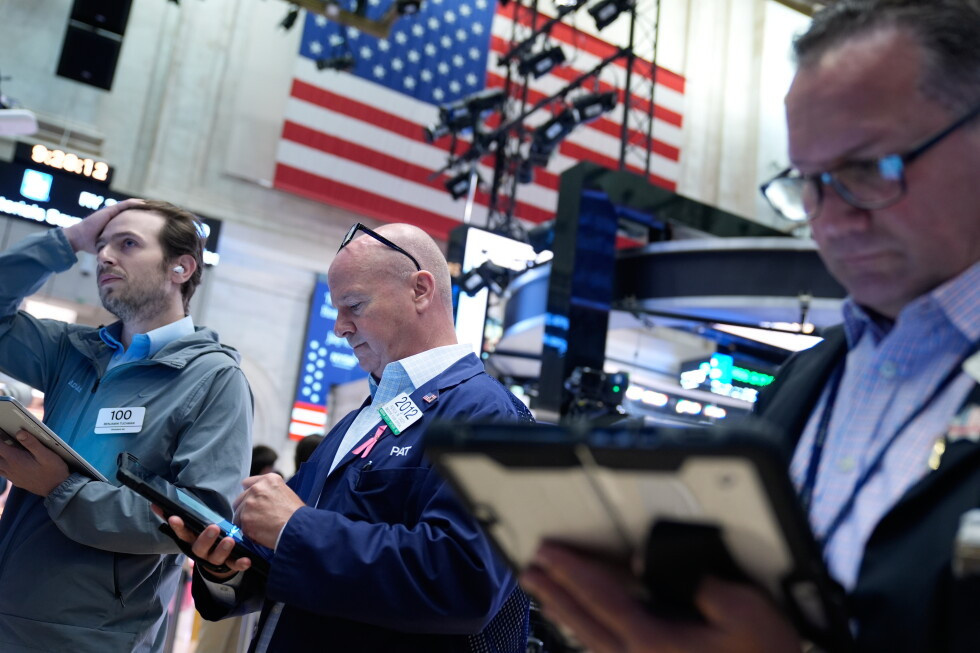
The stock market reflected these mixed economic signals, with a decline in chip stocks, which have faced pressure due to concerns over the sustainability of demand for AI-related technology. The S&P 500 and other major indices experienced losses, marking the first losing week in three weeks. As the economy navigates these challenges, the interplay between inflation, interest rates, and consumer behavior will be critical in shaping the future economic landscape.