China's AI Model Launches Impact US Tech Stocks

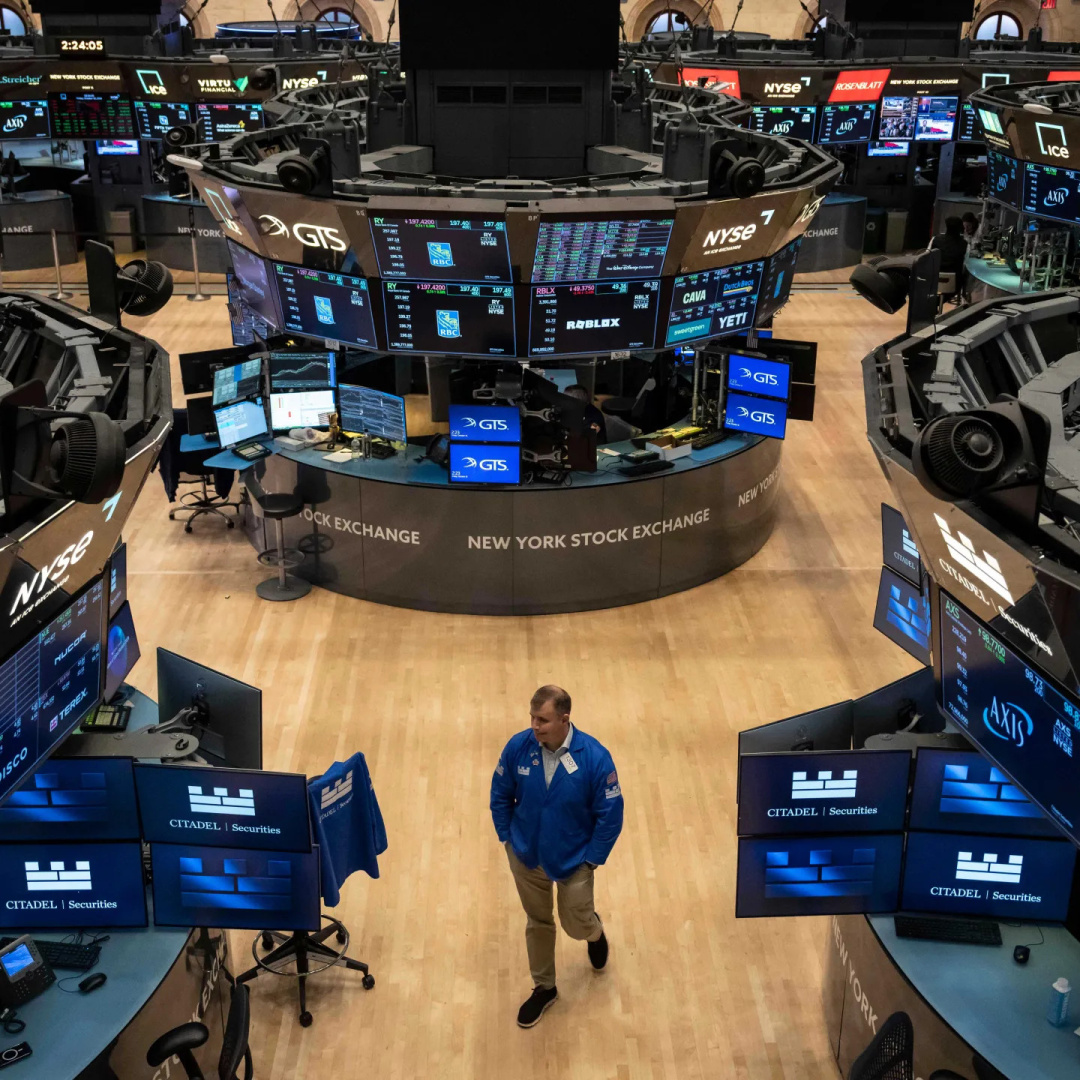
The World AI Conference in Shanghai on July 17 showcased powerful new AI models from Chinese firms, triggering a sell-off in US tech stocks. The Nasdaq fell by 1.4%, the S&P 500 dropped 1%, and the Dow slid 0.77%. Semiconductor stocks were particularly hard hit, declining 1.6% and marking a 20% drop from their late-June peak, officially placing the sector in bear territory.
Among the significant announcements were Moonshot AI's Kimi K3 open-source model, which the company claims is narrowing the performance gap with Anthropic’s Claude, a leading US AI system. The open-source nature of Kimi K3 allows anyone to access and build upon it without subscription fees. Additionally, MiniMax, valued at over $5 billion, introduced its M3 multimodal model, notable for its 1-million-token context window aimed at enterprise applications.
Market Reading & Resources
Sponsor funding complete. Trade on.
Chinese President Xi Jinping emphasized the importance of open-source AI development and global governance during the conference, positioning China's approach as more accessible compared to the subscription-heavy models favored by US companies. The scale of the event was impressive, featuring over 1,100 companies, 300 global product launches, 261 large AI models, and 108 chips.
This situation echoes a similar event in January 2025, when DeepSeek released a competitive AI model that caused panic in US markets, erasing hundreds of billions in tech valuations and prompting investors to reconsider the US's monopoly on AI innovation. Despite US export controls on advanced chips intended to hinder China's AI progress, the presence of numerous chips at the conference suggests these restrictions may not be as effective as anticipated.
The immediate market reaction indicates that investors are reassessing the assumption that US AI companies can sustain premium valuations indefinitely. The emergence of a free, open-source model that rivals a $20-per-month subscription product raises questions about the economic viability of the US AI industry. Furthermore, as US companies show interest in adopting more affordable Chinese AI solutions, regulatory scrutiny is likely to increase. Concerns regarding data security, intellectual property, and national security could complicate the adoption of these technologies, regardless of their capabilities.