Cleveland Fed's Hammack Warns of Persistent Inflation Risks
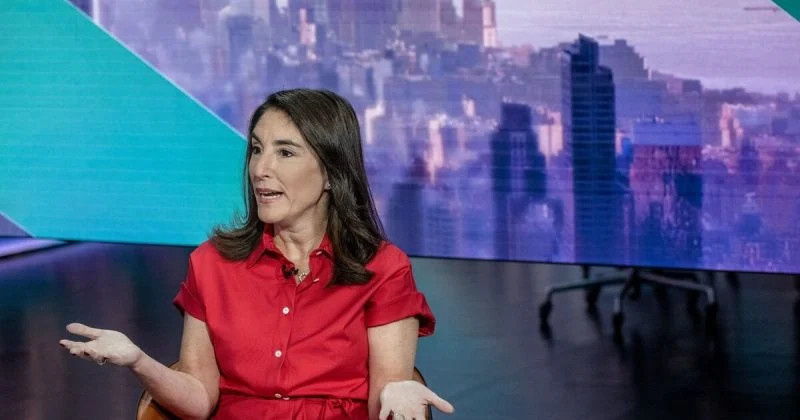
Cleveland Fed President Beth Hammack has issued a stark warning regarding the persistent issue of inflation, which has exceeded the Federal Reserve's 2% target for more than five years. In her recent remarks, Hammack underscored that while the labor market is nearing full employment, the high inflation rate remains her primary concern. The June 2026 Consumer Price Index indicated a year-over-year inflation rate of 3.5%, a decrease from 4.2% the previous month, yet still nearly double the Fed's target. Core inflation measures, which exclude volatile food and energy prices, continue to show stubbornly high levels, indicating that inflationary pressures may be entrenched in the economy rather than temporary.
The unemployment rate in April stood at 4.3%, close to what economists consider full employment. This combination of strong employment figures and persistent inflation complicates the Fed's ability to justify rate cuts, shifting the focus toward maintaining price stability. Hammack cautioned that procrastination in addressing high inflation could necessitate more drastic measures in the future. She also warned of the emergence of an "inflationary mindset," where businesses and consumers begin to expect rising prices, leading to a self-reinforcing cycle of wage demands and preemptive price increases.
Market Reading & Resources
Sponsor funding complete. Trade on.
Additionally, Hammack pointed to the rising demand driven by artificial intelligence as a potential new source of inflationary pressure. As companies invest heavily in AI infrastructure, including data centers and energy consumption, this could create significant demand-side pressures on the economy. Hammack's comments suggest a preference for maintaining a restrictive monetary policy or even tightening further if inflation does not show clear signs of retreating toward the target.
Despite some easing in headline inflation data, Hammack's perspective indicates that policymakers view the situation as precarious. The threshold for rate cuts remains high, and the possibility of further tightening is still on the table. The macroeconomic environment, particularly the Fed's previous rate-hiking campaign during the 2022 crypto winter, continues to influence market sentiment. Investors and traders are advised to monitor how other Fed officials respond to Hammack's concerns. If her views on persistent inflation and the risks of inaction gain traction within the Federal Open Market Committee, it could lead to a reevaluation of market expectations regarding interest rates.