Fed Chair Kevin Warsh Addresses Inflation and Digital Asset Risks
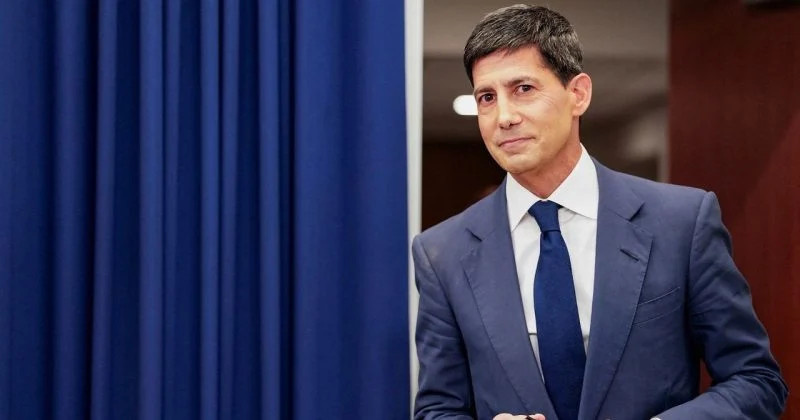
Kevin Warsh, the newly appointed Federal Reserve Chairman, delivered a clear message during his initial congressional testimony: inflation has been a significant issue for over five years, and he intends to take decisive action. Speaking before the House Financial Services Committee on July 14 and the Senate Banking Committee on July 15, Warsh characterized 63 consecutive months of inflation above target levels as an unfair burden on American families and businesses. He proposed what he termed a regime change in monetary policy to address this ongoing challenge.
The Consumer Price Index (CPI) for June 2026 was reported at 3.5% year-over-year, still significantly above the Fed's 2% target. While there was a slight monthly decline of 0.4%, attributed mainly to falling oil prices, core inflation, which excludes volatile food and energy prices, remained stable. Warsh, who took office on May 22, 2026, succeeding Jerome Powell, refrained from indicating specific interest rate changes but did announce the establishment of new task forces aimed at investigating inflation dynamics, productivity barriers, and broader economic challenges.
Market Reading & Resources
Sponsor funding complete. Trade on.
In his remarks, Warsh acknowledged the emerging risks that digital currencies pose to existing liquidity facilities, asserting that the Fed would take necessary measures to safeguard these facilities. He also advocated for the implementation of AI safety protocols and the streamlining of capital rules for banks. However, he did not mention any specific cryptocurrencies, digital tokens, or stablecoins, leaving the crypto market in a state of regulatory uncertainty.
Warsh's approach appeared defensive, focusing on protecting the current financial system from the risks associated with digital assets rather than exploring ways to integrate them. The CPI figure of 3.5% will be crucial to monitor in the coming months. Should inflation continue to decline toward the 2% target, Warsh may have the opportunity to ease policies. Conversely, if core inflation remains stubbornly high, the rhetoric surrounding regime change may lead to actual policy tightening.
Warsh's emphasis on safeguarding liquidity facilities suggests that under his leadership, the Fed may adopt a cautious and potentially restrictive stance regarding banks' interactions with cryptocurrencies. His support for streamlined capital rules could potentially enable banks to engage with digital assets in the future, although the extent of this engagement will depend on how the Fed defines the regulatory framework.