Nikkei 225 Falls 5% as Chipmaker and AI Stocks Face Heavy Selling
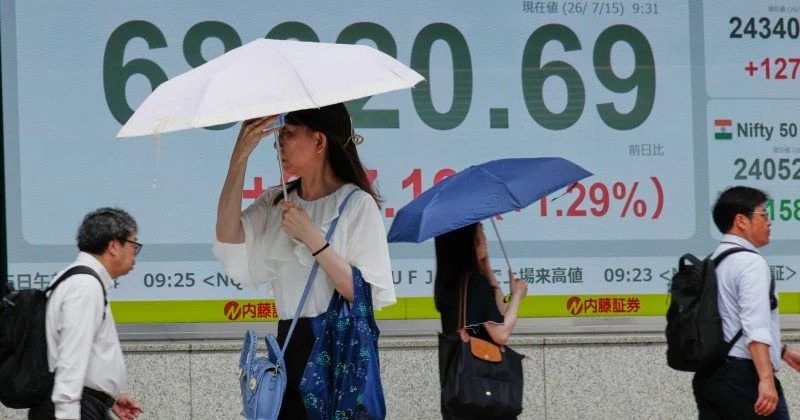
The Nikkei 225 index in Japan plunged 5%, marking its steepest single-day decline in months as investors aggressively sold off semiconductor and AI-related stocks. This selloff erased weeks of gains in a single session and sent shockwaves through Asian equity markets. The decline was particularly pronounced among Japan's leading tech and semiconductor firms. Shares of SoftBank Group fell nearly 7%, while Tokyo Electron, the largest chipmaking equipment manufacturer in the country, saw a drop of over 5%. Advantest, a supplier of testing equipment for advanced chips, dropped more than 6%, and Renesas Electronics, a key player in automotive and industrial chip production, lost 4%.
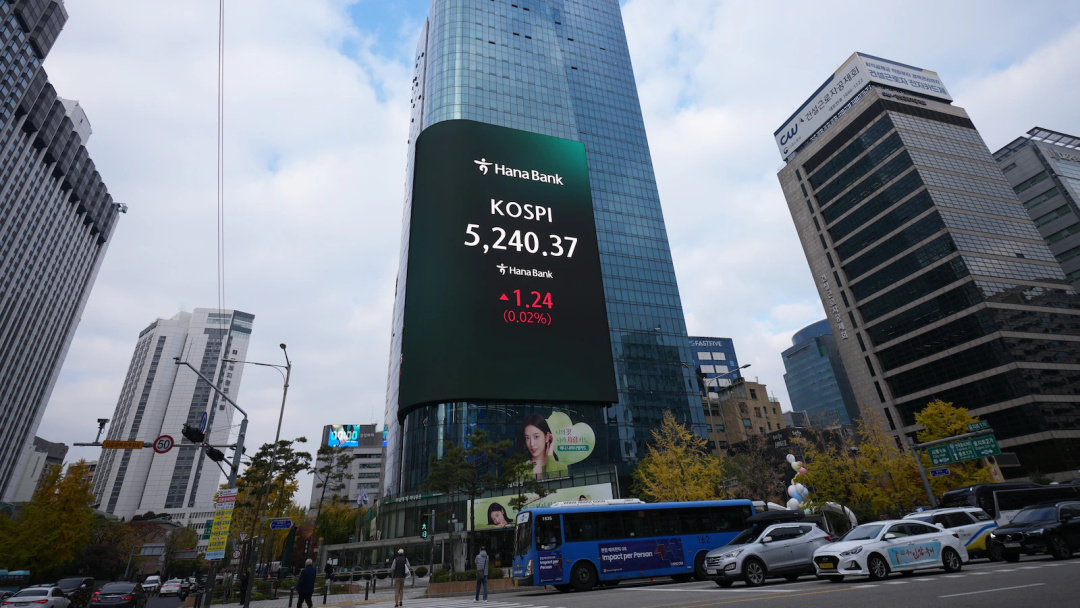
Prior to this sharp decline, the Nikkei had already closed at 66,835 after a 2.79% drop, with multiple daily declines ranging from 2% to nearly 5% recorded in June and July. The downturn was not limited to Japan; South Korea's Kospi index also fell approximately 5%, with major companies like Samsung Electronics and SK Hynix experiencing double-digit percentage losses.
Market Reading & Resources
Sponsor funding complete. Trade on.
The primary catalyst for this selloff appears to be profit-taking following a substantial rally, as the Nikkei had gained 38% over the past six months. This kind of performance often leads portfolio managers to reassess their positions, especially when they have not locked in profits. In the United States, earlier weakness in key tech stocks such as Nvidia and Micron set a negative tone for the market. Mixed earnings reports and guidance that did not meet high expectations contributed to the market's instability.
Hedge funds have reportedly been net sellers of tech hardware for several weeks, driven by valuation concerns amid a complex macroeconomic backdrop characterized by fluctuating oil prices and uncertain interest-rate expectations. As investors navigate these challenges, the recent selloff underscores the volatility in the tech sector and the broader implications for global markets.