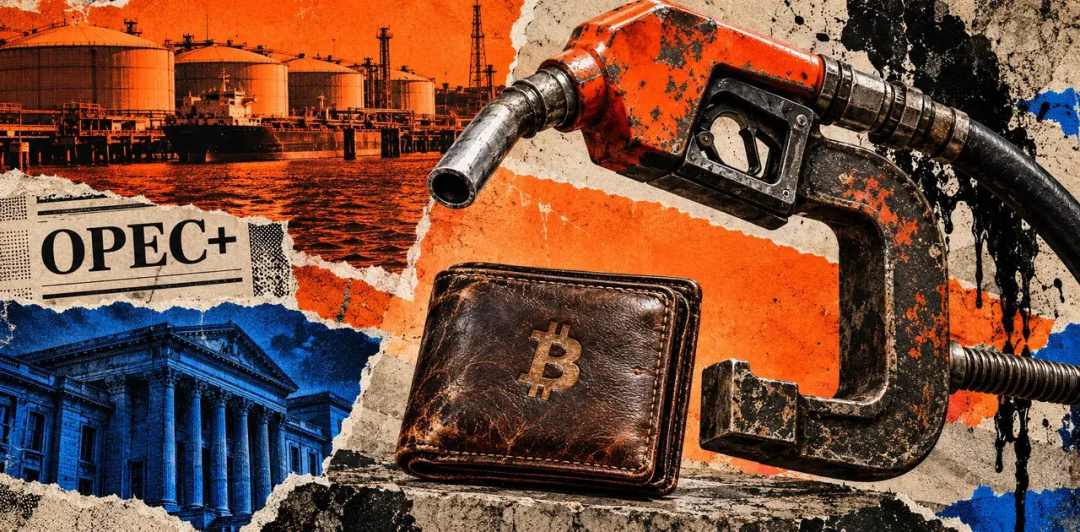
US Strikes Iran as Strait of Hormuz Shipping Plummets 60%
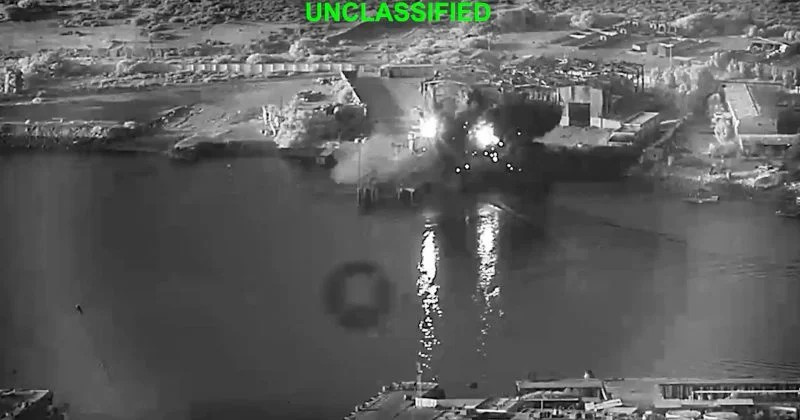
The US military has launched strikes against Iranian targets for the fifth consecutive day, part of an escalating campaign that began on July 8. This military action has severely impacted shipping traffic through the Strait of Hormuz, a vital corridor for global oil transport, which saw a staggering drop to just 14 vessels on one day, a decline of approximately 60% from normal levels. Prior to the conflict, around 100 ships typically passed through the strait daily.
The repercussions for the cryptocurrency market have been swift, with Bitcoin experiencing a decline of up to 8.5% as the conflict unfolds. The combination of rising oil prices and a strengthening dollar has led investors to adopt a risk-off approach, further exacerbating the situation for risk assets like Bitcoin.
Market Reading & Resources
Sponsor funding complete. Trade on.
The Strait of Hormuz is critical to the oil market, with about 20% of the world's petroleum supply transiting through it daily. Amid heightened tensions, Iran has asserted control over the strait, while the US has conducted military operations to ensure navigation remains open. Reports indicate that over 8 million barrels of oil continued to transit the waterway under US military protection during the most intense days of the conflict.
The US strikes have primarily targeted Iranian missile and drone sites, as well as other military installations. Concurrently, Washington has revoked waivers that previously allowed certain countries to purchase Iranian oil, increasing economic pressure alongside military actions.
Tensions had been escalating since early 2026, briefly alleviated by a ceasefire that collapsed around July 8, following Iranian attacks on commercial vessels in the strait, which the US deemed unacceptable. Bitcoin's initial selloff, ranging from 3% to 8.5%, is a classic response to geopolitical risks. Rising oil prices contribute to heightened inflation expectations, which in turn strengthen the dollar as markets anticipate tighter monetary conditions. A stronger dollar historically poses challenges for Bitcoin and other risk assets.
The revocation of Iranian oil sale waivers adds further complexity to the situation. A reduction in Iranian oil supply, combined with existing concerns about disruptions in the Strait of Hormuz, could sustain elevated oil prices for an extended period, perpetuating the strong-dollar dynamic that has pressured cryptocurrencies.
Should shipping traffic through the Strait of Hormuz return to pre-conflict levels of around 100 vessels daily, oil prices may stabilize, potentially alleviating pressure on risk assets. However, if the conflict persists and oil prices remain high, central banks in major economies could face renewed inflationary pressures just as many were considering rate cuts.