Fed's Jefferson Signals Possible Policy Shift If Inflation Persists
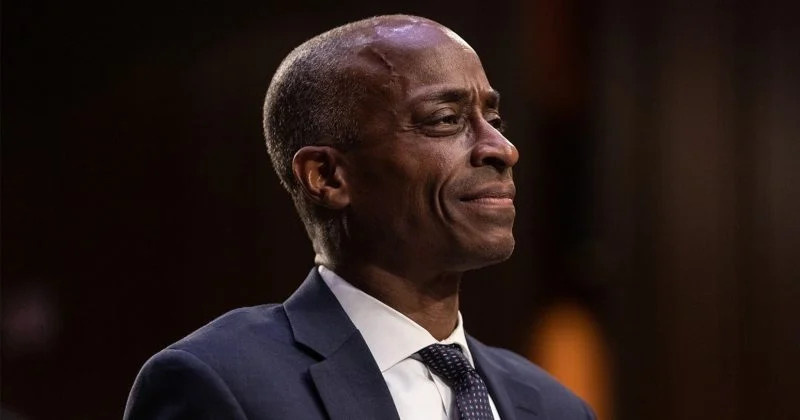
Federal Reserve Vice Chair Philip Jefferson recently addressed inflation concerns at a Bank of Japan conference in Tokyo, stating that the Fed may need to alter its monetary policy if inflation does not show signs of cooling. Currently, the federal funds target rate is set between 3.5% and 3.75%, a significant reduction from previous highs but still high enough to impact borrowing costs and investment decisions. Jefferson described the current rate positioning as 'well positioned' but acknowledged that inflation risks are skewed to the upside due to persistent tariffs and fluctuations in energy prices.
Inflation has surpassed the Federal Open Market Committee's 2% target for five consecutive years, prompting Jefferson to project a decline in inflation by 2026 as some upward pressures begin to ease. He pointed to supply-side factors, including tariffs and geopolitical uncertainties affecting energy costs, as ongoing challenges. Jefferson did not provide a specific roadmap for future rate adjustments, reiterating that the Fed's approach remains data-dependent.
Market Reading & Resources
Sponsor funding complete. Trade on.
His comments did not mention digital assets, but they underscore the Fed's ongoing struggle with inflation, which has implications for risk assets, including cryptocurrencies. A prolonged period of high interest rates typically favors traditional yield-bearing assets over non-yielding digital currencies. However, the persistent inflation above the target strengthens the argument for Bitcoin as a hedge against inflation.
Investors are advised to closely monitor upcoming inflation data over the summer months. If Jefferson's forecast of declining inflation comes to fruition, the Fed's current stance may remain unchanged. Conversely, if inflation continues to rise, the reevaluation he warned about could become a reality. The gap between the 2% target and actual inflation readings will be crucial for positioning risk assets through the remainder of 2026, as the Fed navigates its inflation battle.