Fed's Jefferson Warns AI Investment Could Drive Inflation Higher
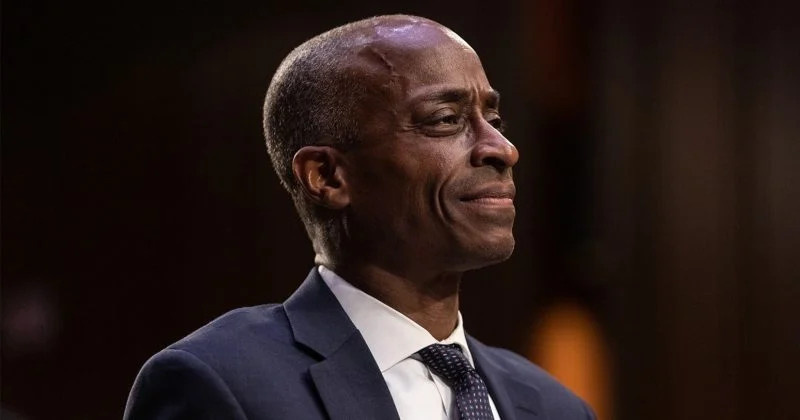
Federal Reserve Vice Chair Philip Jefferson addressed the Brookings Institution on February 6, discussing the transformative effects of artificial intelligence on the economy. He pointed out that while AI has the potential to boost productivity and aggregate supply, it is currently driving significant demand through increased capital spending on data centers, chips, and energy infrastructure. Jefferson emphasized that this demand is manifesting now, while the productivity benefits are still largely prospective. This timing mismatch poses challenges for the Federal Reserve as it seeks to manage inflation.
Jefferson's remarks highlighted a critical concern: the current surge in AI-related capital expenditures is creating measurable demand across various sectors, leading to increased construction labor absorption, rising chip orders, and stressed energy grids. He warned that this could exert upward pressure on inflation if monetary policy does not adequately respond. Although widespread AI adoption is expected to be disinflationary in the long term, the immediate capital spending surge resembles a traditional demand shock, complicating the Fed's inflation control efforts.
Market Reading & Resources
Sponsor funding complete. Trade on.
From early 2020 through the third quarter of 2025, average business-sector productivity growth was recorded at 2.2% annually. While this figure is solid, Jefferson's comments suggest that the full potential of AI has yet to be reflected in macroeconomic data. Other Federal Reserve officials, including New York Fed President John Williams and Governor Lisa Cook, have echoed Jefferson's concerns, noting that the demand generated by AI investments is currently outpacing the supply-side benefits, which remain largely speculative.
Jefferson characterized the current U.S. labor market as a 'low-hiring, low-firing environment,' with an unemployment rate of 4.4% in December 2025. This figure, while appearing stable, conceals deeper issues. Nonfarm payroll data indicates that companies are neither aggressively hiring nor laying off workers, resulting in fewer job opportunities and diminished wage bargaining power for employees. Employers are opting to retain existing talent rather than risk expansion.
These macroeconomic signals are particularly relevant for crypto markets, which have become increasingly attuned to Federal Reserve communications since the tightening cycle began in 2022. Jefferson's message is clear: if AI-driven demand continues to push inflation upward while the Fed awaits productivity gains, interest rate cuts may be postponed longer than the markets currently anticipate.
The intersection of AI and cryptocurrency is becoming more pronounced. Bitcoin miners are adapting their facilities for AI computing, and decentralized GPU networks are emerging as alternatives to major cloud providers. The energy demands from both AI training and cryptocurrency mining are creating overlapping infrastructure challenges.
Traders are advised to monitor inflation data and employment statistics closely, especially in sectors linked to AI development. Key indicators such as construction employment, semiconductor supply chain metrics, and energy capacity utilization will provide insights into whether the demand shock Jefferson described is escalating or stabilizing.
The potential risk for the cryptocurrency market lies in a Federal Reserve that may feel compelled to tighten monetary policy further or delay easing measures due to the inflationary pressures stemming from AI investments, similar to the effects of fiscal stimulus seen in 2021-2022. Jefferson's speech indicates that the Fed is preparing for the former scenario while hoping for the latter.