Dallas Fed President Logan: Wages Not Driving Inflation, Energy Prices Are
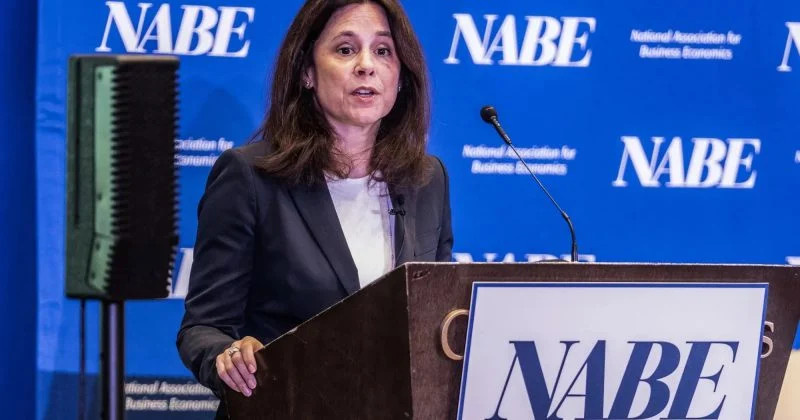
In a recent address, Dallas Fed President Lorie Logan clarified that rising wages are not fueling inflation in the United States. Speaking on June 5, 2026, she attributed inflationary pressures primarily to energy prices, which are influenced by geopolitical tensions, particularly the ongoing conflict in Iran. This distinction is crucial for investors in cryptocurrencies and risk assets, as it affects expectations regarding Federal Reserve monetary policy. If wages were the main driver of inflation, the Fed would likely pursue aggressive rate hikes to cool the labor market. However, with energy prices at the forefront, the policy response becomes less straightforward.
Logan acknowledged that while wages are increasing in specific regions, such as West Texas and Juarez, Mexico, due to a surge in demand from AI data center construction, these localized wage spikes have not yet appeared in national wage data. She emphasized that a construction boom in one area does not equate to wage increases across the country, illustrating the disconnect between regional labor markets and national trends.
Market Reading & Resources
Sponsor funding complete. Trade on.
Throughout 2025 and 2026, Logan has observed that wage growth is currently around 3.5%, a level the Fed considers manageable. Despite this relatively stable wage growth, she has expressed concerns about inflation remaining above the Fed's 2% target. The current federal funds rate is between 3.5% and 3.75%, and Logan has indicated that further rate increases may be necessary if inflationary pressures do not subside.
Logan's perspective is particularly relevant given her leadership role at the Dallas Fed, which is closely tied to the burgeoning AI infrastructure sector. Her insights reflect a cautious approach, suggesting that the Fed is not ready to declare victory over inflation, regardless of wage trends.
For the digital asset markets, Logan's remarks present a mixed picture. On one hand, the absence of wage-driven inflation reduces the likelihood of aggressive monetary tightening. On the other hand, her acknowledgment of potential rate hikes due to energy-driven inflation poses challenges for risk assets. Higher interest rates typically lead to increased borrowing costs and reduced liquidity, which can negatively impact speculative investments like cryptocurrencies.
The intersection of AI infrastructure development and monetary policy adds another layer of complexity. The construction boom that is driving localized wage increases could also dampen investment sentiment in growth sectors if rate hikes occur. Traders are advised to monitor how Logan's views align with the broader Federal Open Market Committee, as her insights carry significant weight in discussions about technology investment and monetary policy.
Ultimately, energy prices remain a key variable. If geopolitical tensions ease and energy costs stabilize, the case for further rate hikes may weaken, potentially benefiting risk assets, including cryptocurrencies. Conversely, if conflicts escalate or new supply disruptions arise, Logan's warnings could lead to tighter financial conditions, impacting markets across the board.