Iranian Truck Drivers Continue Strike Amid Economic Crisis
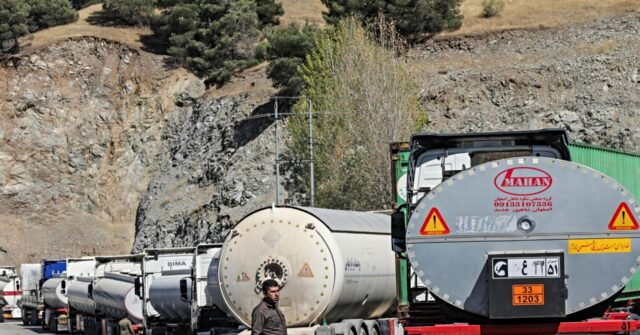
Truck drivers in Iran have been on strike for six days, protesting against the unsustainable conditions of their livelihoods. The strike is a response to soaring oil prices and rampant inflation, which have made it increasingly difficult for drivers to make ends meet. Reports indicate that the strike has significantly impacted supplies across various sectors, including agriculture and manufacturing.
The Iranian economy is currently grappling with a severe crisis, attributed to years of mismanagement and ongoing tensions with the United States. The rial, Iran's national currency, has been devalued, leading to skyrocketing prices for essential goods and services. Truck drivers, who rely on stable fuel prices and government support, have found their situation untenable as costs continue to rise without any relief in sight.
Market Reading & Resources
Sponsor funding complete. Trade on.
According to the Union of Truck Drivers and Trucking Associations Across Iran, strike activity has been documented in at least 18 cities, including major urban centers like Tehran and Shiraz. The union has communicated that the combination of inflation and high diesel prices has rendered their jobs unviable. In a statement, they emphasized that the costs associated with their work, including tires and insurance, are priced in dollars, which further complicates their financial situation.
The strike was initially announced on November 22, with union leaders expressing their frustration over the lack of government action to address the economic hardships faced by drivers. They described the strike as a protest against years of neglect and rising costs, stating that they can no longer endure the unbearable conditions imposed by the current economic climate.
Freight Rate Increases Highlight Drivers' Economic Struggles
Reports suggest that freight rates for truckers have surged by as much as 22.6 percent, yet drivers are still expected to absorb these costs without any support from the Iranian regime. State media has largely overlooked the strike, although some officials have acknowledged the economic difficulties faced by citizens, attributing them to external pressures.
Impact of Strikes on Trade and Logistics in Iran
The ongoing strike is not only affecting domestic supply chains but is also impacting cross-border trade. Reports indicate that trucks entering Iran from neighboring countries are experiencing significant delays, with traffic increasing as domestic truck drivers withdraw from operations. This situation has led to a notable rise in freight volumes, further complicating the logistics landscape in the region.
As the situation unfolds, the Iranian government has yet to announce any specific measures to assist truck drivers or alleviate the economic pressures they face. The lack of action has left many drivers feeling abandoned and frustrated, as they continue to advocate for their rights and livelihoods in the face of an ongoing economic crisis.