Sri Lanka's Food Inflation Reaches 7.2% Amid Economic Recovery
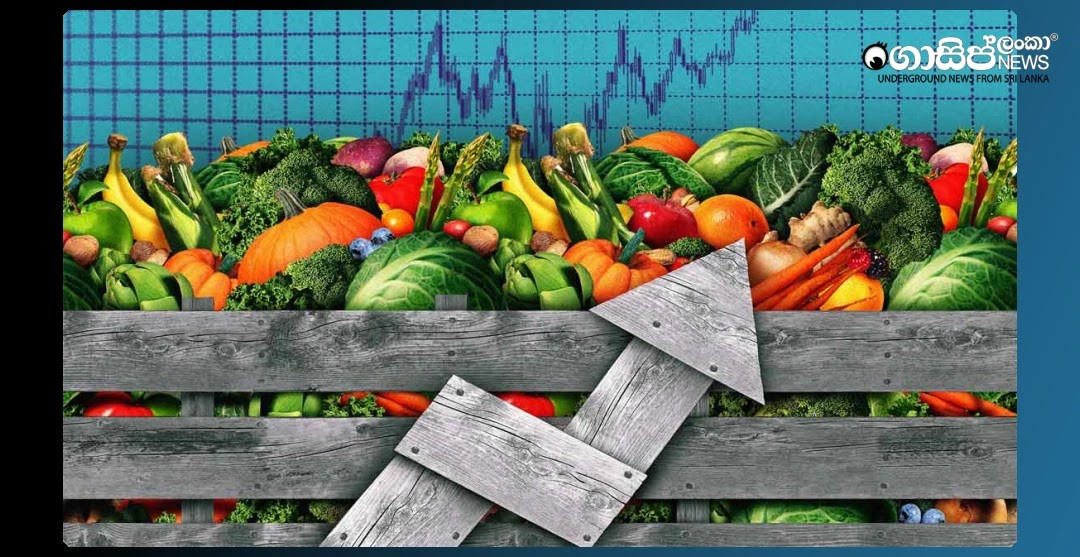
Sri Lanka's food inflation has increased to 7.2% according to the latest data from the National Consumer Price Index. This rise in food prices is a significant concern as the World Bank notes that the overall economic recovery in the country is not yet benefiting the average citizen. The labor market and household incomes are still lagging, which exacerbates the impact of rising food costs on the population.
The Colombo Consumer Price Index indicates an even higher food inflation rate of 8.8%. The World Bank's recent Global Food and Nutrition Security Update report for November emphasizes that food price pressures are particularly intense in South and Central Asia, including Sri Lanka. The report reveals that globally, food price inflation exceeds 5% in a third of the countries analyzed, indicating a widespread issue.
Market Reading & Resources
Sponsor funding complete. Trade on.
Forecasts for food prices in the coming years are concerning, with projections suggesting a 10.3% increase in 2026 and a 7.2% rise in 2027. Factors contributing to this trend include disruptions caused by military conflicts, high transportation costs, and increased input costs due to climate risks and trade barriers. The World Bank highlights that the challenges in South Asia extend beyond mere food shortages, pointing to reduced purchasing power, climate shocks, and rising costs as critical factors affecting food security.
Addressing Food Security Challenges Amid Climate Risks
The impact of climate change, particularly the strong El Niño conditions, poses additional risks to agricultural productivity in Sri Lanka and neighboring countries. This phenomenon is expected to lead to lower rainfall and higher temperatures, which could severely affect crop yields and food production.
As the poverty rate in Sri Lanka remains high at 16.9%, the World Bank warns that the combination of rising food and energy prices will place significant pressure on the food security of low-income families. The situation calls for urgent attention to address the underlying economic challenges and ensure that the recovery translates into tangible benefits for the population.