S&P 500 and Nasdaq Decline as Treasury Yields Rise
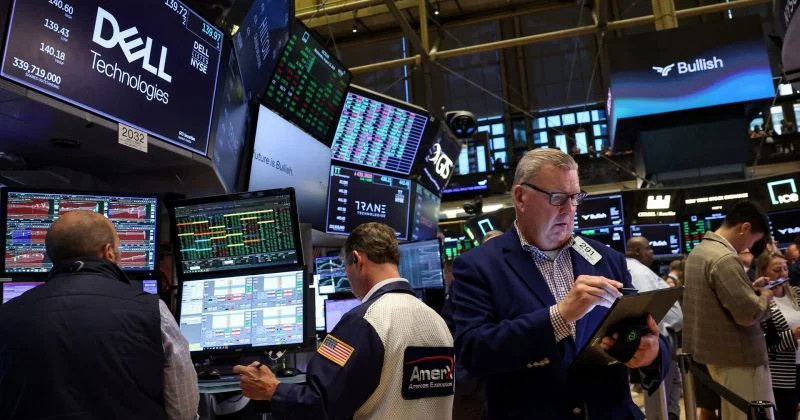
On July 13, the S&P 500 closed down 0.79% at 7,515.34, while the Nasdaq Composite experienced a sharper decline of 1.55%, finishing at 25,873.18. The downturn is attributed to rising Treasury yields, which have made growth stocks appear expensive and increased the appeal of safer investments. The 10-year Treasury yield climbed over 4 basis points to 4.614%, and the 2-year yield surged more than 6 basis points to 4.271%. With government bonds offering nearly 4.6% with minimal risk, investors are reassessing their positions in more volatile assets.
Additionally, oil prices have surged past $75 per barrel, fueled by escalating geopolitical tensions, particularly between the United States and Iran. The Strait of Hormuz, a critical passage for global oil supply, has become a focal point of concern. Rising oil prices contribute to inflation, complicating the Federal Reserve's ability to justify rate cuts in the near future. The rapid increase in the 2-year yield, which is often viewed as a real-time indicator of market expectations for Fed policy, suggests that traders are adjusting their outlook for monetary policy.
Market Reading & Resources
Sponsor funding complete. Trade on.
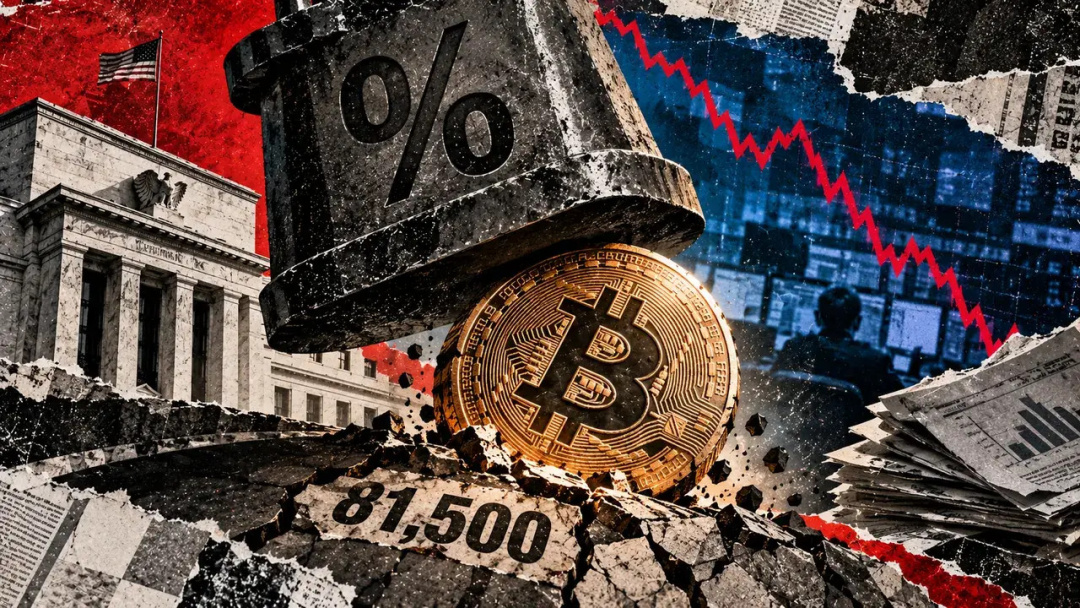
As the 10-year yield approaches 4.6%, the risk-free rate increases, necessitating that risky assets provide more compelling reasons for investment. This situation echoes the dynamics seen in 2022 when rising rates negatively impacted crypto markets. The absence of digital assets in discussions during this equity selloff indicates that the cryptocurrency market is currently in a holding pattern, awaiting cues from traditional markets.
The Nasdaq's decline is particularly significant as it is closely correlated with cryptocurrency performance, with both sectors sensitive to changes in discount rates. For investors in digital assets, the 10-year real yield, which accounts for inflation expectations, is a crucial metric. Rising real yields compress the valuation multiples of assets that do not generate cash flow, making Bitcoin, which yields nothing, less attractive compared to Treasuries.
With Treasury yields now more appealing, decentralized finance (DeFi) protocols that offer yields on stablecoin lending appear less attractive on a risk-adjusted basis. Investors may question the rationale for taking on smart contract risks for lower returns when government bonds provide a safer alternative.
Market participants should closely monitor the 4.65% level on the 10-year yield. The current 2-year yield of 4.271% indicates that the market anticipates the Fed will maintain its stance longer than previously expected, with patience being tested if oil prices remain high and inflation data continues to show upward pressure.