Federal Reserve's Hawkish Stance Raises Concerns Over Market Stability
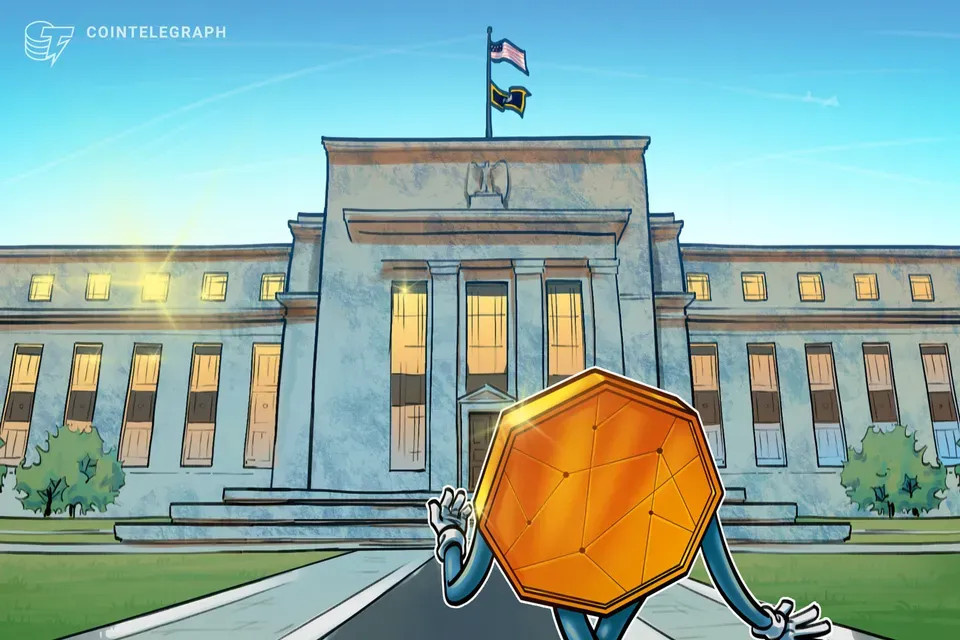
Economist Robin Brooks has issued a stark warning regarding the potential consequences for the stock market if the Federal Reserve does not adopt a more dovish tone ahead of the FOMC blackout period. He suggests that risk assets could face a severe downturn within the next two weeks if the Fed maintains its current hawkish outlook.
Brooks, a senior fellow at the Brookings Institution and former chief foreign exchange strategist at Goldman Sachs, indicated that the Fed might reconsider its anticipated 25-basis-point interest rate hike in December. Despite a decline in oil prices and a strengthening US dollar, the Fed has signaled that interest rates may need to rise and remain high.
Market Reading & Resources
Sponsor funding complete. Trade on.
Last week, Federal Reserve Governor Christopher Waller mentioned that the central bank might need to "shock" the markets with a 50-basis-point rate hike to combat rising consumer prices. This approach has raised concerns among analysts, particularly as US WTI crude oil prices fell below $80 per barrel for the first time since early August.
Brooks criticized the Fed's tightening policy in the context of falling oil prices, labeling it a significant error that could lead to increased real interest rates and substantial pain for stocks and other risk assets. He expressed his belief that the markets are heading toward a "full meltdown" due to the Fed's decision to hike rates amid declining oil prices.
FOMC Blackout Period Raises Concerns Over Market Reactions
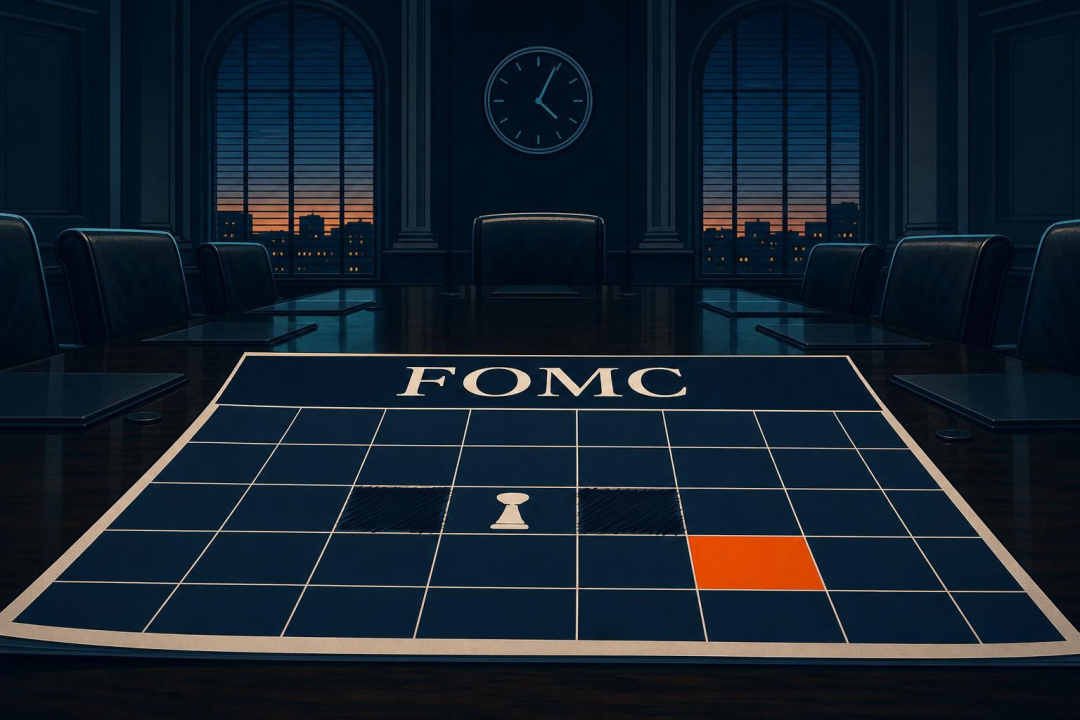
The blackout period for the Federal Open Market Committee (FOMC) begins on November 28, just before the December 8-9 meeting where monetary policy decisions will be made. During this time, FOMC members are prohibited from discussing monetary policy publicly. Brooks argues that without calming measures from the Fed before this period, selling pressure on risk assets could escalate.
Market Distress Signals Need for Fed Intervention
The US Dollar Index, which measures the dollar's strength against a basket of currencies, reached its highest level since March at 104.5, remaining above 100 since mid-September. Concurrently, US stock markets are experiencing increased selling pressure, with the S&P 500 dropping to levels not seen since mid-April.
Brooks noted that even significant corporate news, such as Nvidia's reinstatement of CEO Jensen Huang, failed to boost investor sentiment. Additionally, gold has experienced its worst sell-off in over 40 years, indicating broader market distress. He concluded that without a dovish pivot from the Fed, the markets could face severe instability.