Higher Borrowing Costs Impact G4 Economies, Affect 2027 Rate Hike Outlook
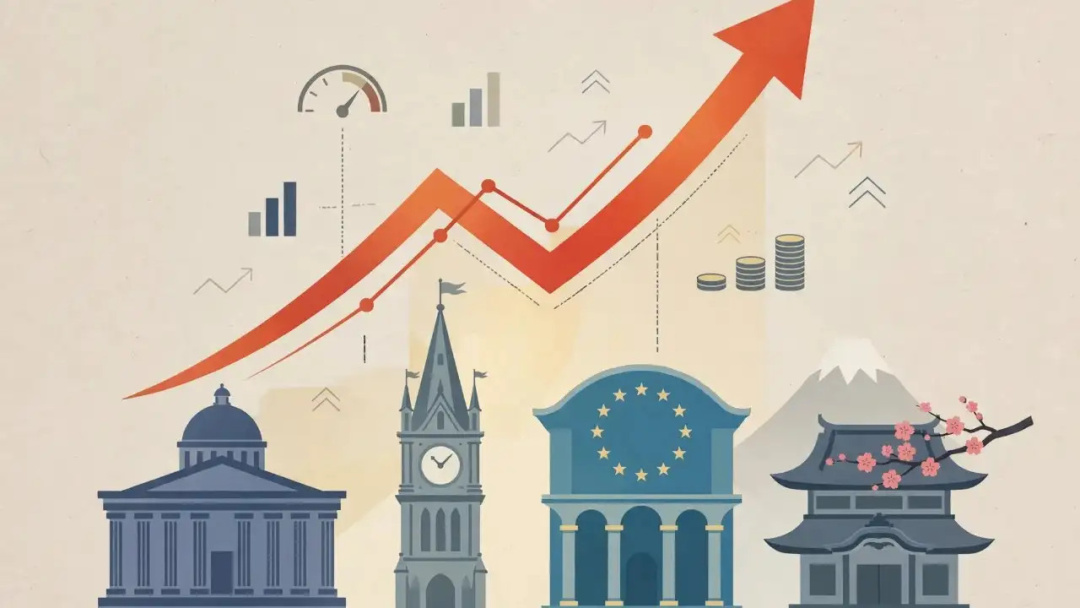
Higher borrowing costs are increasingly impacting business demand across major developed economies, which may reduce the necessity for further interest rate hikes in 2027. According to a report from S&P Global, central banks in the US, UK, Japan, and the eurozone are anticipated to raise interest rates by 25 basis points each in December. However, the ongoing slowdown in business activity raises questions about the need for additional increases next year.
In November, business activity growth in these regions slowed for the second consecutive month, reaching its weakest level since June. This decline is attributed to elevated prices, economic uncertainty, and the burden of higher borrowing costs, which have constrained demand. The latest purchasing managers' index (PMI) data reveals that many businesses are reporting weaker sales as they brace for the expected rate hikes.
Market Reading & Resources
Sponsor funding complete. Trade on.
S&P Global noted that if the demand slowdown continues, it could limit the need for further rate increases into 2027. The report emphasizes that while all four major central banks are set to raise interest rates in December, the future tightening of monetary policy remains uncertain and will depend on economic data.
How Price Changes the Balance
Lower global crude oil prices have provided some relief from inflationary pressures in November, easing price increases across these economies. However, selling price inflation remains at some of the highest levels recorded in the past three years, indicating that cost pressures have not fully abated. Additionally, higher costs are affecting labor market conditions, with employment growth slowing in the US and job losses reported in the UK and eurozone.
Central Banks Navigate Tightening Policies Amid Economic Pressures
Policymakers are expected to closely monitor business output, new orders, and employment trends to evaluate companies' pricing power and workers' ability to negotiate higher wages. The November PMI data has already shown an increase in reports from companies regarding the dampening effect of higher borrowing costs on demand.
As central banks continue their monetary tightening efforts to combat inflation, the European Central Bank has raised rates twice by 25 basis points this year, while the US Federal Reserve and the Bank of England have each implemented similar hikes. The Bank of Japan is also maintaining its long-term monetary tightening cycle. In India, the Reserve Bank of India is adjusting its monetary policy in response to inflation and growth conditions, with its rate decisions being closely watched for their impact on borrowing costs and economic activity.