South Korea's Central Bank Increases Interest Rate to Address Inflation
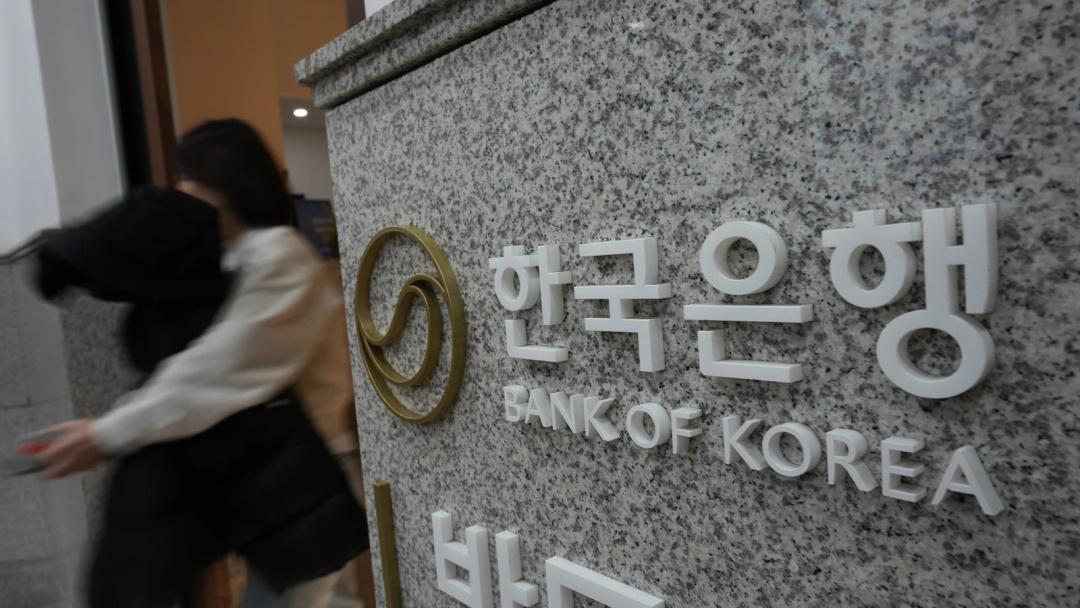
South Korea’s central bank has raised its benchmark interest rate for the third time since July, aiming to tighten the money supply in response to inflationary pressures. This increase, by a quarter-percentage point to 3.25%, comes as the Bank of Korea seeks to address inflation driven by the ongoing conflict in the Middle East and the country's strong semiconductor exports, which have been bolstered by global demand related to artificial intelligence.
In conjunction with the rate hike, the Bank of Korea has also revised its growth forecast for the South Korean economy, projecting an increase to 3.9% from 3.3% for 2026, and to 4.1% from 2.9% for 2027. This optimistic outlook follows several months of robust export performance. However, analysts have pointed out that consumer spending remains subdued, hindered by rising prices, stagnant wages, and the burden of servicing high household debt.
Market Reading & Resources
Sponsor funding complete. Trade on.
Consumer prices in South Korea rose by 2.8% in October compared to the previous year, surpassing the bank's target of 2%. Core inflation, which excludes volatile food and energy prices, increased by 2.7% during the same period. The Bank of Korea stated that raising borrowing costs was essential as inflation is expected to remain above target for a considerable time, alongside persistent risks to financial stability.
How Global Changes the Balance
The central bank noted that the global economy continues to show modest growth despite geopolitical tensions, primarily driven by investments related to artificial intelligence. However, it warned that price pressures are likely to persist, particularly due to rising energy costs. Additionally, the bank expressed concerns over escalating house prices in Seoul and its metropolitan area, which could exacerbate the already high household debt, recorded at an all-time high of 2,030 trillion won (approximately $1.51 trillion) as of the third quarter.
Governor Highlights Need for Caution in Rising Household Debt
Shin Hyun Song, the governor of the Bank of Korea, emphasized the need for vigilance regarding financial imbalances, as household borrowing continues to rise amid expectations of further increases in home prices. He indicated that the rate hike was a preemptive measure to curb inflationary pressures, with consumer prices anticipated to remain above the bank's target until at least 2028. Shin also mentioned that it would take time for the gains from exports to translate into significant increases in consumer spending capacity, suggesting that the bank's tight monetary policy should be supported by fiscal measures to alleviate the burden on households.
The decision to raise the policy rate was not unanimous, with two members of the seven-member monetary policy committee advocating for the rate to remain at 3%.