Concerns Mount Over Economic Stability as AI Stocks Decline
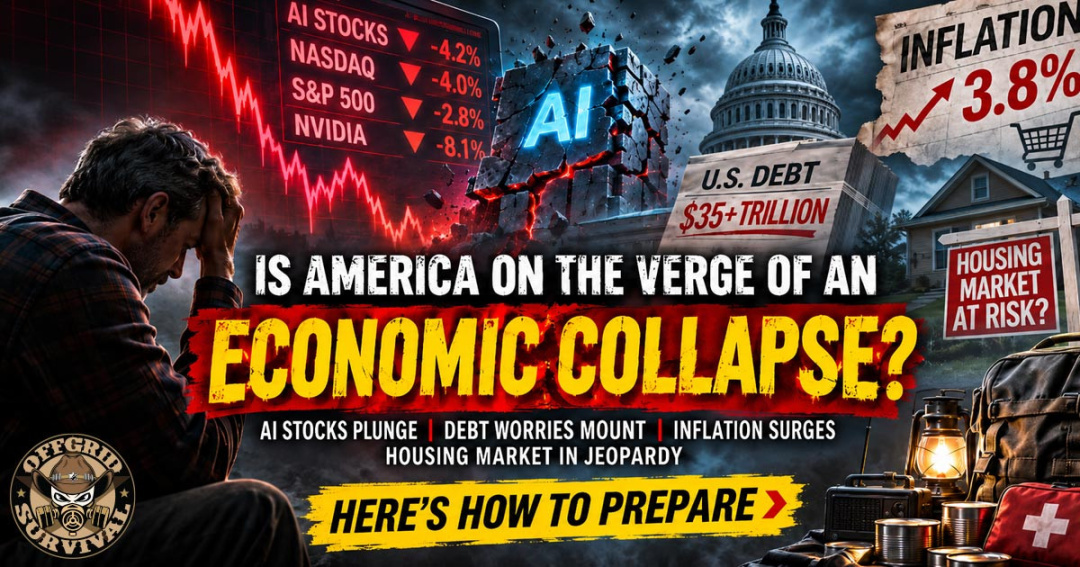
The artificial intelligence sector, which has been a major driver of the American economy, is beginning to show signs of instability. Wall Street is facing significant declines, and investors are increasingly worried about the substantial debt incurred to fund AI initiatives. Inflation has surged to 3.8%, raising alarms about the potential for an economic downturn as the housing market continues to falter.
For months, experts have warned about the risks associated with artificial intelligence, including the possibility of cyberattacks on critical infrastructure and the growing reliance on technology that even its developers struggle to manage. A critical concern is what might happen if the financial bubble surrounding AI bursts, potentially leading to widespread economic consequences.
Market Reading & Resources
Sponsor funding complete. Trade on.
The Wall Street Journal has explored the implications of an AI downturn, suggesting it could surpass the dot-com crash of the early 2000s, which saw the Nasdaq lose nearly 78% of its value. The current expansion in AI relies heavily on continued investment in data centers, computer chips, and other infrastructure. If spending cuts occur, the repercussions could extend far beyond Silicon Valley, impacting various sectors tied to AI development.
Construction firms, electrical contractors, and commercial real estate developers are financially linked to the growth of AI infrastructure. Many Americans have exposure to these sectors through retirement accounts and investments. As technology companies face pressure to cut costs, the potential for job losses raises concerns about consumer spending, which is vital for economic health.
Recent reports indicate that investors are questioning whether tech companies can generate sufficient revenue from AI to justify their borrowing. The costs associated with building AI infrastructure are substantial, and if funding dries up or companies fail to deliver promised profits, many projects could be delayed or scrapped.
Inflation Pressures Challenge Federal Reserve's Response Options
Amid these developments, American families received troubling news as inflation continues to rise. The Federal Reserve's preferred inflation measure has accelerated, complicating the central bank's ability to respond to a potential economic downturn. Normally, a stock market crash would prompt the Fed to lower interest rates to stimulate growth, but with inflation on the rise, the Fed may be forced to maintain or even increase rates, leading to higher costs for mortgages and loans.
The risk of stagflation—a combination of persistent inflation and stagnant economic growth—poses a serious threat to American households. The prospect of job losses during a recession, coupled with rising living costs, creates a precarious situation for many families. As mortgage rates remain high and economic uncertainty grows, discussions about a potential housing market crash are resurfacing.
While a nationwide collapse akin to the 2008 crisis is not guaranteed, significant economic shocks could alter housing market dynamics. If technology companies begin large-scale layoffs, the impact on retirement accounts and lending practices could further hinder home buying.
Navigating Economic Vulnerabilities in a Tech-Driven Landscape
The current situation is compounded by a series of technological failures and cyberattacks affecting critical systems across the country. As substantial investments are made in AI, the existing digital infrastructure is showing vulnerabilities. The concentration of economic power among a few tech companies raises concerns about their influence on national security and everyday business operations.
As the economy faces these challenges, it is crucial for individuals to consider their preparedness for potential economic disruptions. The warning signs are evident, and proactive measures may be necessary to safeguard financial stability.