Inflation Remains Elevated Despite Decline in Gas Prices
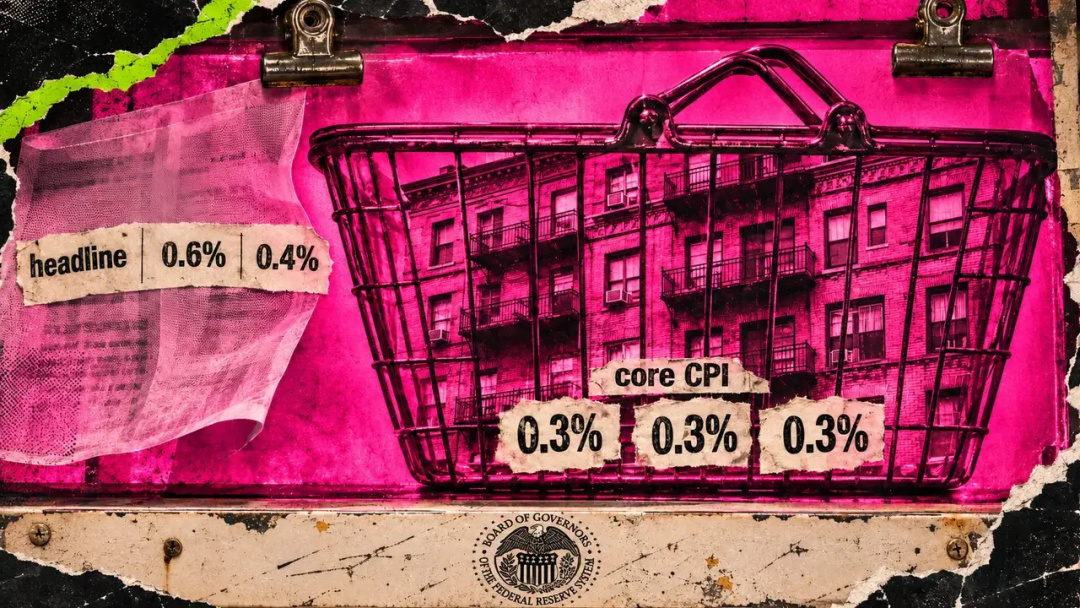
Inflation in the United States continues to pose challenges, as a key measure of consumer prices rose 3.8% in October compared to the same month last year, up from 3.6% in September. Monthly, consumer prices increased by 0.3% from September to October, a decrease from the 0.6% rise observed the previous month. This persistent inflation occurs alongside a growing economy, supported by robust consumer spending and significant business investment, particularly in technology sectors focused on artificial intelligence.
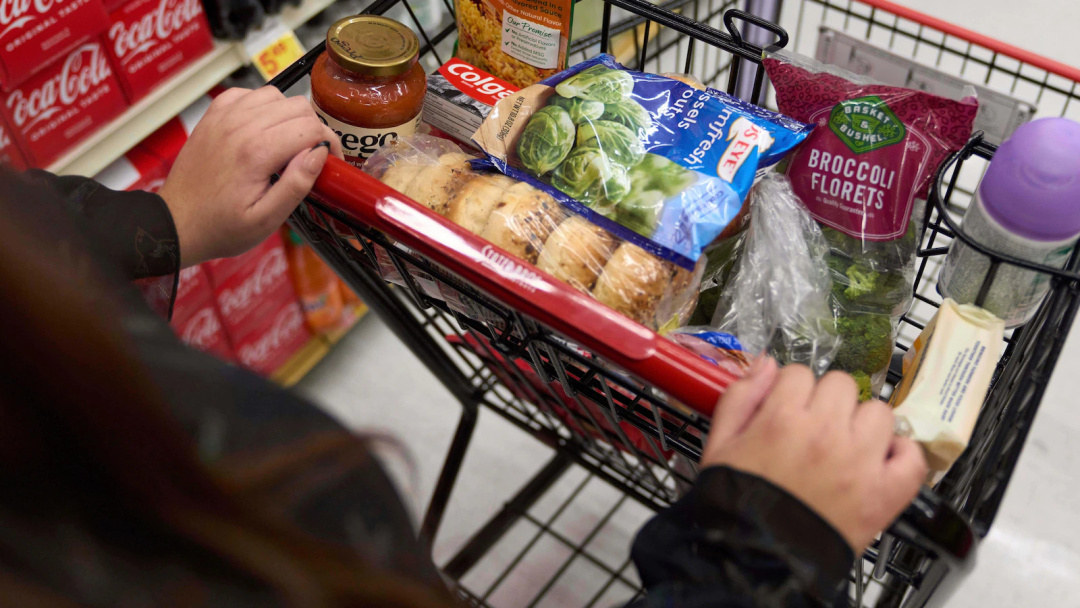
Despite the overall economic growth, consumer spending appears to be driven largely by higher-income households, while lower-income Americans are increasingly relying on credit to maintain their spending levels. Gas prices saw a modest increase of 0.8% last month, following a sharp rise of 9.2% in September. In contrast, food prices experienced a notable jump of 0.4%, marking the largest monthly increase since April.
Market Reading & Resources
Sponsor funding complete. Trade on.
Core inflation, which excludes the more volatile food and energy sectors, accelerated to 3.3% in October, up from 3.1% in September. This core figure is now at its highest level in three years and exceeds the Federal Reserve's target of 2%, raising concerns that inflationary pressures may be worsening and necessitating additional rate hikes.
In a related report, the economy's growth rate for the July-September quarter was revised upward to 4.3%, the fastest pace in three years. Consumer spending surged by 4.2% during this period, while business investment soared by 16.1%, driven by increased expenditures on equipment and intellectual property products.
Where Economists Meets Including
Economists, including Bradley Saunders from Capital Economics, suggest that the data reinforces the Federal Reserve's assessment of strong economic activity, indicating that more measures are needed to curb inflation. The Fed typically addresses inflation by raising its key interest rate, which can lead to higher borrowing costs for consumers.
Federal Reserve's Rate Hike Likely as Economic Growth Continues
Many Federal Reserve officials have indicated support for increasing the short-term interest rate, with expectations of a potential hike during the upcoming policy meeting scheduled for December 8-9. The combination of solid economic growth and persistent inflation suggests that the current rate may not be sufficient to mitigate rising prices.
Additionally, the government reported a 0.7% increase in incomes in October, adjusted for inflation, following a month where prices outpaced income growth. Unemployment claims also dropped by 13,000 to 189,000, reflecting a low level of layoffs and indicating that companies are retaining their workforce.