Bank of England's Dovish Stance May Favor Crypto Amid Weak Economy
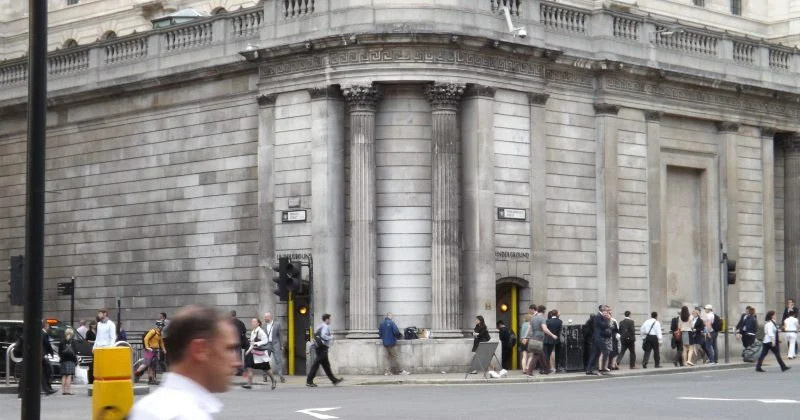
Deputy Governor Sarah Breeden of the Bank of England recently addressed concerns regarding inflation, stating that the risk of second-round effects from rising energy prices is considerably lower than during the 2022 crisis. Speaking on March 26, 2026, Breeden noted that the UK economy's current weakness makes it less susceptible to a wage-price spiral, a phenomenon that can occur when energy prices rise sharply. In contrast to the aggressive rate hikes seen in 2022, when inflation soared past 10%, Breeden's remarks suggest a more cautious approach moving forward.
Breeden explained that in a robust economy, spikes in energy prices can lead to increased wage demands from workers, which in turn prompts employers to raise prices, creating an inflationary cycle. However, in a sluggish economy, this mechanism falters. Workers have diminished bargaining power, and employers are less inclined to raise prices due to weak demand.
Market Reading & Resources
Sponsor funding complete. Trade on.
While Breeden did not specifically mention cryptocurrencies such as Bitcoin or Ethereum, her comments imply a potentially favorable environment for risk assets, including digital currencies, as the BoE maintains a dovish stance. The central bank is also engaged in discussions regarding stablecoins and the exploration of a digital pound, although these topics are currently separate from the inflation outlook.
The contrast between the current economic climate and that of 2022 is stark. During the previous year, the BoE was forced to implement aggressive rate hikes to combat soaring inflation, which led to a significant decline in the value of Bitcoin, dropping from approximately $47,000 to under $16,000.
Breeden acknowledged that while the likelihood of second-round inflation effects is lower, the situation could change if the Iran conflict escalates and energy prices rise sharply. Such developments could challenge the current economic landscape, even in a weak economy. The ongoing regulatory conversations around stablecoins and digital currencies are also crucial to monitor, as they may intersect with monetary policy in the future.