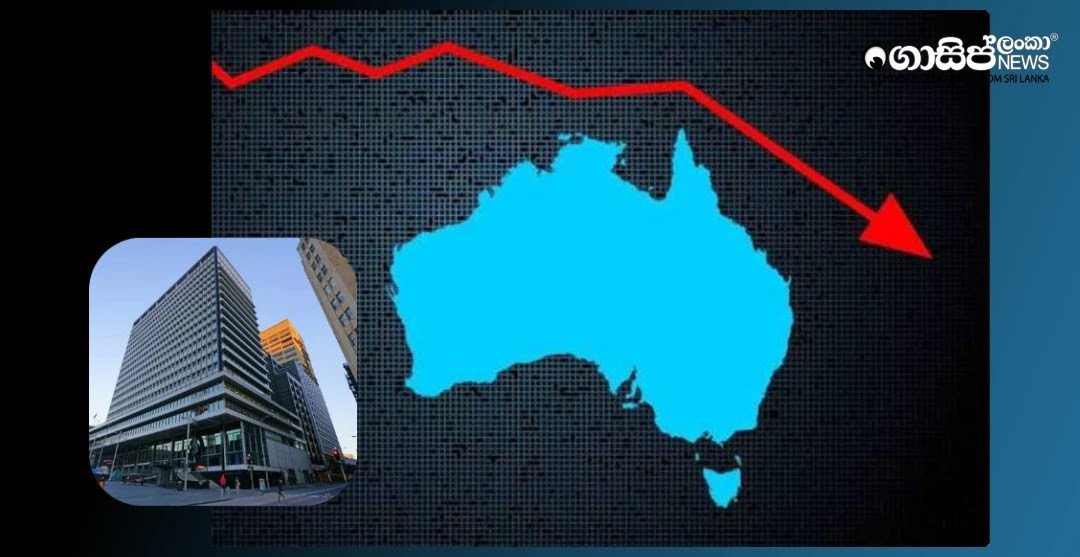
Australia's Inflation Rises to 4.9% Amid Fuel Price Surge

Annual headline inflation in Australia surged to 4.9% in October, up from 4.3% in September, primarily due to a significant increase in petrol and diesel prices as global oil prices climbed. The Australian Bureau of Statistics reported that underlying inflation, measured by the trimmed mean, also rose to an annual rate of 3.8%, surpassing market forecasts and remaining well above the Reserve Bank of Australia's (RBA) target range of 2–3%. This increase comes despite five interest rate hikes this year, which have raised the cash rate from 3.60% to 4.85%.
The latest inflation figures are concerning, particularly in light of a rapidly weakening labor market. Recent data revealed that Australia's unemployment rate rose to 4.9% in October, the highest level since October 2021, with the number of unemployed Australians increasing by 17,800 to a total of 753,700. This rate has already reached the level the RBA projected for the December quarter of 2027, indicating a faster deterioration in the labor market than anticipated.
Market Reading & Resources
Sponsor funding complete. Trade on.
The decline in the jobs market over the past two months suggests that the cumulative effects of previous interest rate increases are beginning to impact the economy. Higher interest rates lead to increased mortgage repayments, which reduce disposable income for households. Consequently, businesses facing lower consumer demand and higher borrowing costs may cut back on investment and hiring, which are critical channels through which the RBA's monetary policy aims to reduce inflation.
However, the rapid decline in the labor market raises concerns that interest rates may have been raised too aggressively. While further rate hikes could potentially bring inflation down more swiftly, they may also result in significant job losses and slower economic growth. A recent decline in global oil prices, which were a major factor in the inflation rise, could provide some relief. Brent crude oil is currently trading at approximately US$91 a barrel, down from a peak of US$125 last month.
How Prices Changes the Balance
Lower oil prices can reduce headline inflation by decreasing petrol costs, which directly impacts the consumer price index. Additionally, reduced fuel prices can lower transport, production, and distribution costs for businesses, potentially leading to lower prices for consumers over time. Although the immediate effects on headline inflation may be quick, the broader impacts on underlying inflation will take longer to materialize.
The RBA's final monetary policy meeting of the year is scheduled for December 8. Despite the elevated inflation figures, it is anticipated that the RBA will maintain the cash rate at 4.85%. Following the recent labor market data, expectations have shifted towards potential rate cuts, with some banks predicting the first cut as early as June 2027. This shift is notable given that the RBA raised rates just three weeks ago, even as inflation remains significantly above target.
RBA's Balancing Act: Navigating Inflation and Labor Market Challenges
The RBA has focused on controlling inflation throughout the year, but recent developments raise questions about whether it has adequately considered the weakening labor market. Monetary policy operates with long and variable lags, meaning that the effects of interest rate increases can take time to fully manifest in household spending, business investment, employment, and inflation. As a result, the Australian economy has yet to fully absorb the impact of this year's rate hikes.
Further increases in interest rates could push the economy too far, leading to higher unemployment and greater recession risks by the time inflation returns to target. The RBA must adopt a forward-looking approach, considering where both inflation and unemployment are likely to be in the next 12 to 18 months. Given the current labor market conditions and falling oil prices, maintaining steady interest rates would allow the central bank to better assess the impact of its previous decisions and avoid unnecessary harm to Australian jobs.