Nikkei 225 Rises 2,208 Points as AI and Semiconductor Stocks Rally

Tokyo stocks experienced a significant rebound on November 24, with the Nikkei 225 Stock Average closing at 58,644.63, marking an increase of 2,207.98 points or 3.91% from the previous close. This surge was fueled by renewed investor interest in artificial intelligence and semiconductor-related shares, following a positive recovery on Wall Street.
The rally was notably influenced by Nvidia's announcement regarding the return of Jensen Huang as CEO, which led to a more than 31% increase in the company's shares on Monday. This news alleviated immediate concerns regarding Nvidia's leadership and contributed to the overall market optimism.
Market Reading & Resources
Sponsor funding complete. Trade on.
During the trading session, the Nikkei briefly surpassed 2,800 points, reaching an intraday high of 59,262.57, before profit-taking limited further gains. The broader TOPIX index also saw a rise, increasing by 90.66 points or 2.47%, breaking a five-session losing streak.
Trading activity was robust, with turnover on the Tokyo Stock Exchange's Prime Market reaching approximately 8.07 trillion yen. Out of 33 industry sectors, 26 advanced, with nonferrous metals, electrical equipment, and glass and ceramics manufacturers leading the gains. Companies such as Advantest and Tokyo Electron played significant roles in the Nikkei's recovery, while Ibiden, a semiconductor substrate manufacturer, hit its daily upper price limit.
Renewed interest in optical communications infrastructure benefited Furukawa Electric, and Panasonic Holdings saw increased buying interest following reports of plans to expand production capacity for data center cooling equipment. Banking shares, including Mizuho Financial Group, also recovered from recent selling pressures.
However, not all sectors participated in the rally. Inpex, Japan's largest oil and gas developer, faced declines for the fourth consecutive session as crude oil prices weakened. Other companies, such as Kobe Bussan and Nippon Shinyaku, also reported disappointing results, leading to declines in their stock prices.
Yen Weakness and Bond Market Reactions Signal Economic Concerns
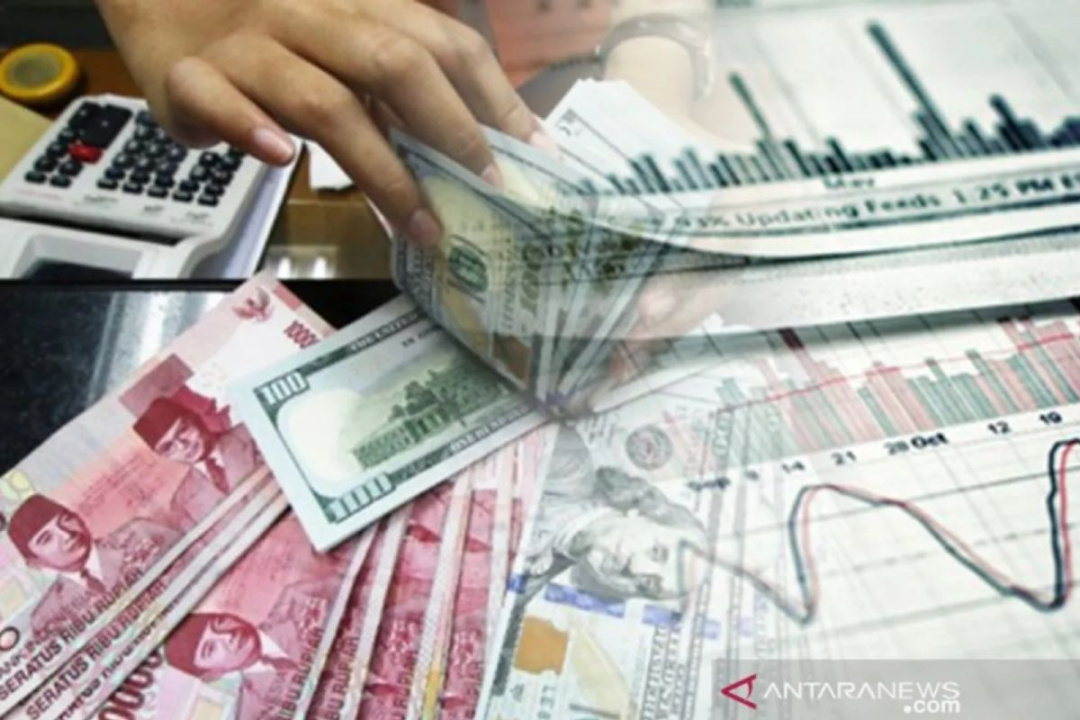
In the foreign exchange market, the yen traded around 159.22 against the dollar, having briefly strengthened to 158.75 earlier in the day. The yen's weakness near the critical 160 level raises concerns for policymakers, especially as rising import costs continue to impact household purchasing power. The potential for government intervention remains a risk for currency traders, although no specific exchange rate has been identified as a trigger for such actions.
Japanese government bonds also saw a rally, with the benchmark 10-year government bond yield falling to 2.720%. The recovery in equity markets could bolster expectations for another interest rate increase by the Bank of Japan in December, particularly if financial market conditions stabilize.
Despite the positive market sentiment, the Bank of Japan faces a challenging policy balance. Persistent inflation and yen depreciation support further monetary tightening, while weakness in household consumption and recent economic contractions suggest a more cautious approach is necessary. On the same day, the government downgraded its assessment of consumer spending for the first time in over two years, indicating deteriorating consumer sentiment amid rising prices.
Looking Ahead: Key Economic Indicators on the Horizon
Investors are now looking ahead to the Bank of Japan's corporate services price index report on November 25, along with U.S. economic indicators related to growth, personal consumption, and inflation. Upcoming Japanese industrial production and retail sales figures scheduled for November 30 will provide further insights into domestic demand strength.
While the Nikkei's recovery on November 24 was impressive, it remained below levels seen before the sell-off on Friday. The Nikkei Volatility Index rose sharply during the afternoon, indicating that investor anxiety persists. The concentration of gains among a limited number of heavyweight technology stocks raises questions about the sustainability of this recovery. Although Nvidia's leadership announcement has provided immediate relief, broader concerns regarding AI valuations and the profitability of emerging AI businesses remain unresolved.