US Airstrikes in Iran Trigger Bitcoin Dip Amid Geopolitical Tensions

The US military commenced airstrikes on northern Iran on July 13, marking a significant escalation in the ongoing conflict that began in 2026. Iranian officials have reported at least 35 fatalities and over 300 injuries from the strikes, which targeted military infrastructure and coastal defenses. This military action coincides with a renewed naval blockade on Iranian ports, which is critical for global shipping, particularly as the Strait of Hormuz handles about 20% of the world's oil supply daily.
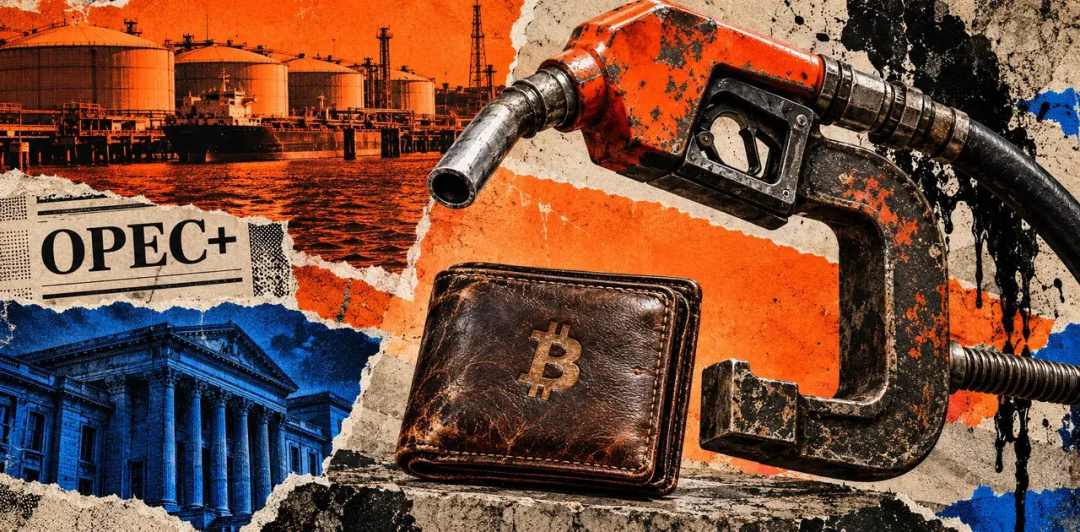
In response to the escalating tensions, Bitcoin experienced a decline of over 2%, dropping below the $63,000 mark. The intersection of this conflict with cryptocurrency is notable, as Iran has mandated that vessels passing through the Strait of Hormuz pay tolls in digital currencies, including Bitcoin and stablecoins, with fees reportedly reaching up to $2 million per vessel. Ships that do not comply face detention or seizure, while those that do utilize crypto wallets that are less accessible to Western authorities.
Market Reading & Resources
Sponsor funding complete. Trade on.
The volatility in Bitcoin prices is a primary concern for investors, as repeated dips can accumulate into significant losses, especially for those using leverage. Additionally, Iran's adoption of cryptocurrency for transit fees is likely to prompt regulatory discussions in Washington and Brussels regarding tighter controls on digital asset transactions.
Another critical factor is the potential impact on oil prices. A sustained blockade of the Strait of Hormuz could lead to increased energy costs, contributing to inflation and influencing monetary policy expectations. This, in turn, affects how investors assess risk assets like Bitcoin.
Iranian officials have indicated that retaliation is a possibility, which may involve missile or drone strikes on perceived threats in the region. As the situation develops, the implications for both geopolitical stability and the cryptocurrency market remain significant.