Asian Stocks Decline Amid AI Concerns and Rising Oil Prices
Asian stock markets experienced notable declines on Thursday, largely influenced by renewed concerns regarding the artificial intelligence sector. The South Korean Kospi index plummeted more than seven percent, with major semiconductor companies SK hynix and Samsung each losing approximately ten percent of their value. This downturn comes as investors begin to question whether the substantial investments made in AI can justify the high valuations of these firms, particularly after Dutch company ASML reported increased profits and raised its sales forecast.
Despite a second consecutive day of gains on Wall Street, where easing inflation figures reduced expectations for a Federal Reserve interest rate hike, Asian investors were unable to capitalize on this momentum. The Philadelphia Semiconductor Index had surged roughly 83 percent this year, but analysts suggest that the trade has become overcrowded. Stephen Innes from SPI Asset Management noted that while strong earnings can sustain interest, they may not prevent a market correction when valuations are already stretched.
Market Reading & Resources
Sponsor funding complete. Trade on.
In addition to the tech sector's struggles, other Asian markets also faced declines. Tokyo and Taipei, both home to numerous tech firms, saw significant sell-offs, while Sydney, Shanghai, and Wellington also reported losses. Conversely, Hong Kong's market was an exception, rising over one percent as Chinese chip companies rebounded.
The weak performance across Asia occurred despite gains in New York, where major tech companies like Apple and Amazon saw substantial increases. This was aided by a report showing a 0.3 percent drop in US producer prices in June, attributed to lower energy costs amid a fragile truce between the US and Iran, which has allowed oil traffic to resume through the Strait of Hormuz.
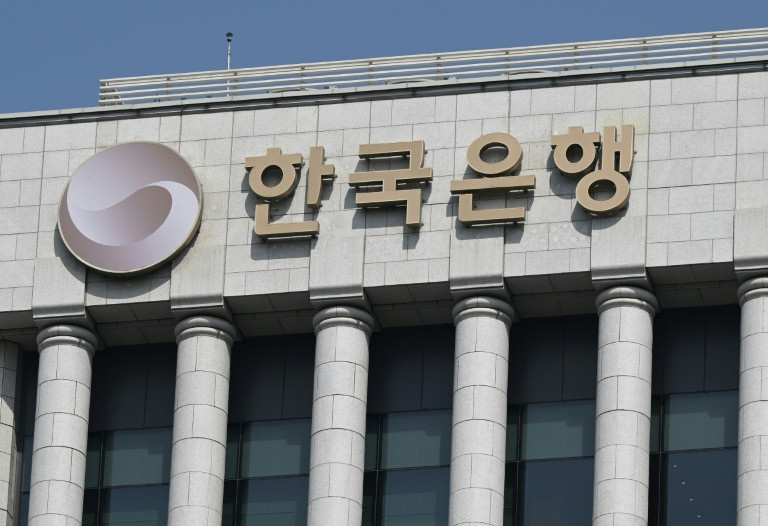
Crude oil prices continued to rise as tensions in the region persisted, with West Texas Intermediate increasing by 0.6 percent to $80.11 per barrel. In currency markets, the South Korean won strengthened slightly against the dollar following the country's central bank's first interest rate hike since 2023, aimed at combating persistent inflation and bolstering an economy supported by strong chip exports. The British pound also held gains against the dollar after reports suggested a potential new finance minister could reassure markets.
As the global race to develop AI data centers intensifies, chipmakers are experiencing heightened demand, leading to shortages and soaring prices for memory components. However, the recent sell-off in tech stocks raises questions about the sustainability of this boom, especially as companies like IBM reported disappointing preliminary results, causing their shares to plunge significantly. The ongoing geopolitical tensions and market dynamics will continue to shape investor sentiment in the coming days.