South Korea's KOSPI Drops After First Rate Hike Since 2023
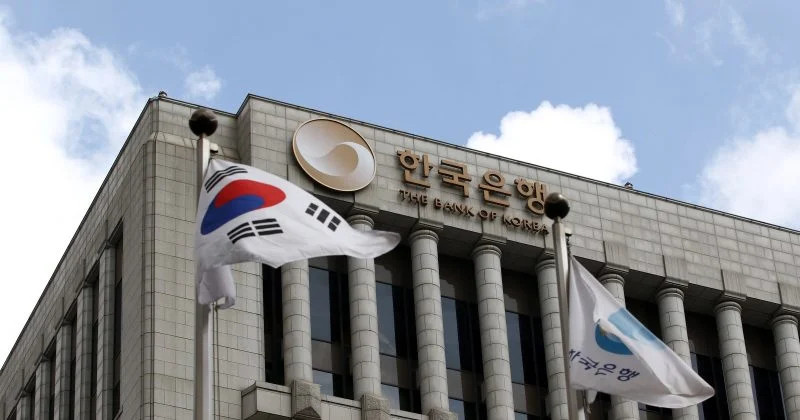
The Bank of Korea has taken a decisive step in monetary policy by raising its benchmark interest rate by 25 basis points to 2.75% on July 16, marking the first increase since January 2023. This move comes in response to rising inflation, as South Korea’s Consumer Price Index climbed to 3.2% in June, up from 3.1% in May, significantly exceeding the central bank's target of 2%. Governor Shin Hyun-song cited several factors influencing this decision, including persistent household credit growth, increasing property prices, and exchange rate dynamics contributing to imported inflation.
Despite the rate hike, the outlook for South Korea's economy remains relatively positive. Projections indicate a growth rate of 2.6% for 2026, largely driven by robust semiconductor exports, which are benefiting from a global surge in artificial intelligence investment. However, the KOSPI index, South Korea's primary equity benchmark, saw a sharp decline following the announcement. Analysts had anticipated the hike, suggesting that the market's reaction was more about the implications of a tightening cycle on corporate earnings and consumer spending rather than surprise at the decision itself.
Market Reading & Resources
Sponsor funding complete. Trade on.
South Korea's position in the digital asset market is noteworthy, as it consistently ranks among the world's most active crypto trading hubs. The phenomenon known as the Kimchi premium, which reflects the price difference between cryptocurrencies on Korean exchanges and global markets, highlights the intense local demand for digital assets. However, no specific cryptocurrencies showed significant reactions to the Bank of Korea's announcement.
The strength of the semiconductor sector provides some buffer against potential economic downturns. If the demand for AI-driven exports continues, South Korean corporations may be better positioned to manage the increased financing costs associated with higher interest rates. Nonetheless, the dynamics of the property market and the burden of household debt remain critical areas of concern for Governor Shin and the Bank of Korea's board as they assess whether the 2.75% rate is a final destination or merely a waypoint in their monetary policy strategy.