Bank of Korea Raises Interest Rate to 2.75% Amid Rising Inflation
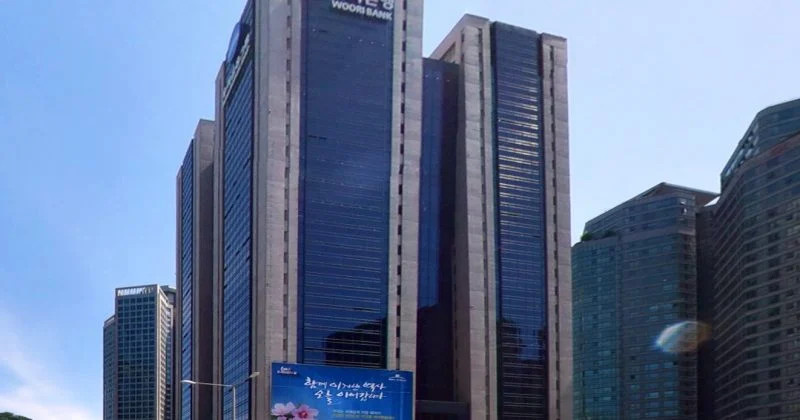
The Bank of Korea has raised its base interest rate by 25 basis points to 2.75% during its Monetary Policy Board meeting on July 16, marking the first increase in nearly three years. This decision is primarily driven by rising inflation, as South Korea's Consumer Price Index reached 3.2% in June 2026, surpassing the bank's target of 2% for the fourth consecutive month.
Governor Shin Hyun-song, who assumed office in 2026, has adopted a more hawkish tone since taking the role. This shift was evident during the May 2026 meeting, where two board members advocated for an immediate rate hike, while the majority opted to maintain the rate at 2.5%. The recent increase reflects the minority view becoming official policy.
Market Reading & Resources
Sponsor funding complete. Trade on.
Current GDP growth projections stand at 2.6%, with many economists surveyed by Reuters anticipating a further increase to 3% before the end of 2026. The Bank of Korea has indicated that future rate decisions will depend on incoming economic data, leaving the possibility of additional hikes open.
South Korea's retail crypto market, one of the largest globally, is particularly sensitive to changes in interest rates. Higher borrowing costs make low-risk, interest-bearing assets more appealing compared to speculative investments. Many retail crypto traders in South Korea are active participants rather than long-term holders, making them vulnerable to shifts in market dynamics.
The Bank of Korea's projections suggest inflation will average around 3% in the latter half of 2026. If this forecast holds true, the rationale for another rate hike becomes increasingly compelling. The gap between the current rate of 2.75% and the economists' year-end forecast of 3% is just one more 25 basis point decision away from being closed.