Fed Survey Reveals Economic Growth and Easing Inflation Ahead of FOMC
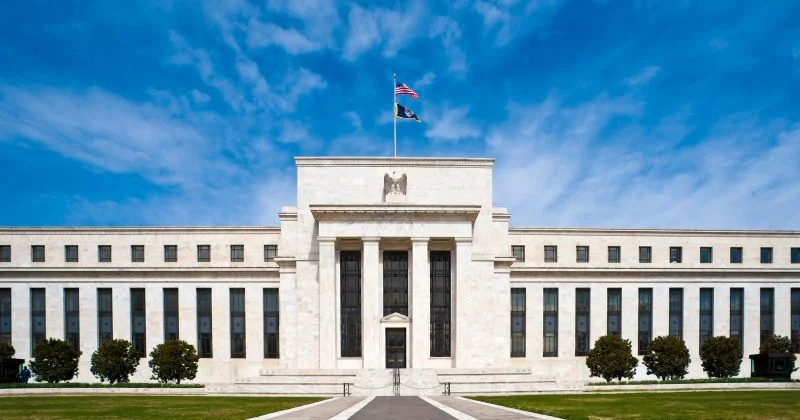
A Federal Reserve survey has revealed that economic activity is on the rise while inflation is experiencing a slight decline. This aligns with recent Consumer Price Index (CPI) data, which shows a decrease in the annual inflation rate from 4.2% in May to 3.5% in June. The survey, part of the Fed’s Beige Book, notes that the construction of AI-driven data centers has significantly contributed to investment and labor demand, fostering moderate growth across most regions. Despite these encouraging signs, inflation continues to exceed the Federal Reserve’s target of 2%, which keeps the possibility of interest rate adjustments in consideration.
Market participants are recalibrating their expectations regarding potential interest rate hikes. The likelihood of a rate increase at the upcoming July Federal Open Market Committee (FOMC) meeting has dropped to 4.7%, indicating a more cautious outlook among investors. Additionally, the probability of a rate hike by the September meeting has decreased to 35%, down from 44% just a day prior. This adjustment suggests that the market perceives the survey findings as evidence of a reduced urgency for immediate rate increases.
Market Reading & Resources
Sponsor funding complete. Trade on.
The recent decline in energy prices, influenced by geopolitical tensions in Iran, has also played a role in easing inflation, strengthening the argument for the Fed to maintain its current interest rate policy in the near term. Nonetheless, market participants remain alert to further developments that could impact future monetary policy decisions.
The forthcoming FOMC meeting scheduled for July 28–29 is expected to be a pivotal moment for the Fed in light of these recent economic developments. Observers will be closely watching for any statements from Chair Jerome Powell and other Fed officials that may provide insights into potential future rate adjustments. Furthermore, any notable changes in inflation or labor market data could significantly affect market expectations and the Fed’s policy direction.