House Democrats Propose $25 Minimum Wage Amid Inflation Concerns
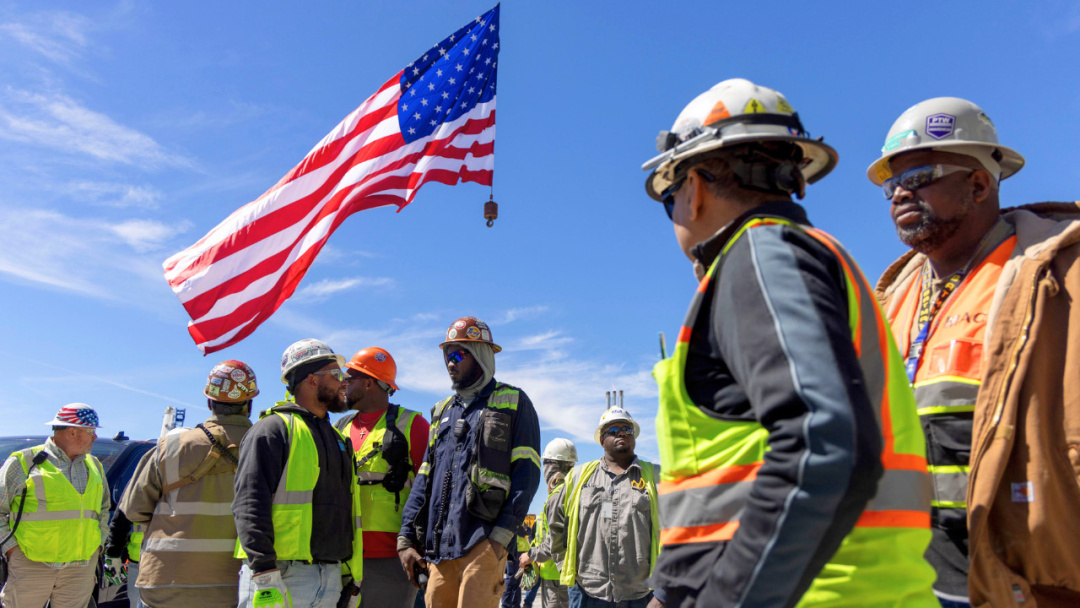
House Democrats are pushing for a significant increase in the federal minimum wage to $25 an hour, a move they argue is essential to combat the ongoing affordability crisis. Representatives Everton Blair, R-Ga., and Delia Ramirez, D-Ill., emphasized the need for this wage hike during discussions with Fox News Digital, dismissing concerns that it could exacerbate inflation. They described the current minimum wage as a "remnant of slavery" that disproportionately affects women and marginalized communities.
The proposed increase would more than triple the existing federal minimum wage of $7.25, raising questions about its implications for businesses and workers, particularly in states where living costs are significantly lower than in major urban areas. Blair stated that a $25 minimum wage should be the baseline, with adjustments made for regions with higher living expenses.
Market Reading & Resources
Sponsor funding complete. Trade on.
Despite warnings from conservative economists, including E.J. Antoni from the Heritage Foundation, who cautioned that such a wage increase could lead to higher costs and unemployment, progressive lawmakers remain optimistic. They argue that the proposal could garner support from Democratic leadership and potentially reach President Donald Trump's desk, reflecting a broader push within the party to prioritize higher wages as part of their economic agenda.
Ramirez pointed out that the high cost of living in cities like Seattle and Washington, D.C., justifies the need for a wage increase. She criticized corporations for not providing livable wages, framing the issue as one of corporate responsibility versus worker rights. The Living Wage for All coalition, which supports the proposal, claims that public sentiment is shifting, with polling indicating that 63% of Republicans also favor a $25 federal minimum wage.
Debate Intensifies Over Wage Increase Proposal
As Democrats prepare to advance their affordability agenda in the 120th Congress, the debate over the proposed wage increase continues to intensify. Supporters believe that raising the minimum wage is a crucial step toward ensuring that one job can adequately cover living expenses, while opponents warn of the potential economic fallout that could arise from such a drastic change in wage policy.
Economic Implications of the Wage Increase
The push for a $25 minimum wage has sparked significant debate among economists regarding its potential trade-offs. Antoni warned that setting a price floor for labor above the market equilibrium could create a surplus of labor, leading to increased unemployment. This concern highlights the delicate balance lawmakers must navigate between improving worker earnings and maintaining economic stability.
As the proposal gains traction, it remains to be seen how it will be received by both lawmakers and the public. The outcome of this initiative could have lasting implications for the labor market and the broader economy, particularly as the nation grapples with inflationary pressures and the ongoing recovery from the pandemic. With the Democratic caucus rallying around this proposal, the coming months will be critical in determining the future of minimum wage legislation in the United States.