Bitcoin Falls Below $60,000, Impacting Federal Reserve's December Meeting

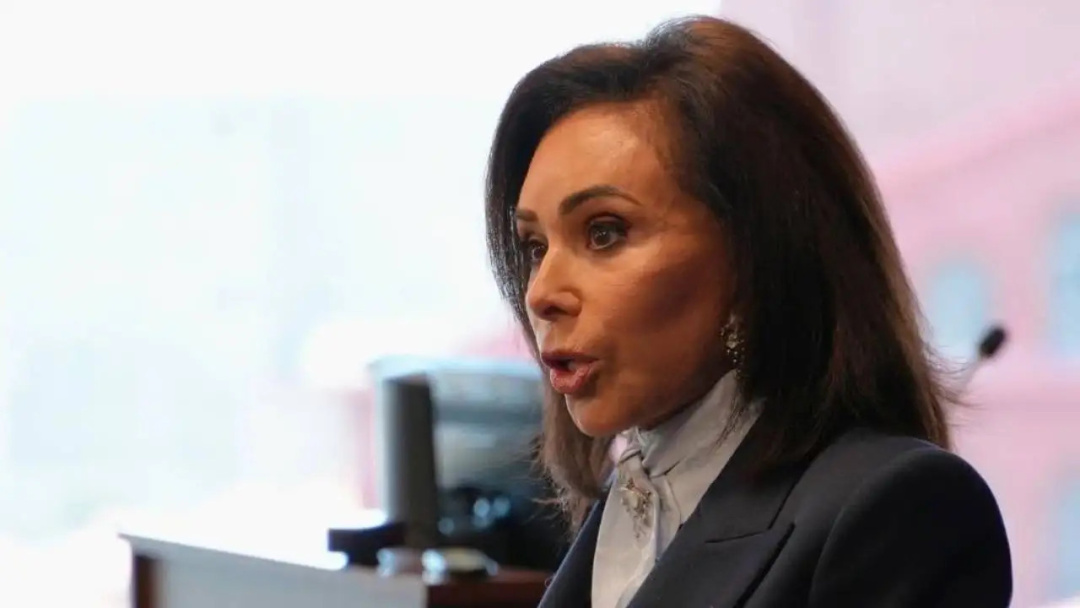
Bitcoin's price fell below $60,000 on Friday, marking its first drop below this threshold since July. This decline has been accompanied by notable withdrawals from US spot Bitcoin funds, as short-term Treasury bills now offer investors yields exceeding 4% annually. This situation presents a challenge for the Federal Reserve as it approaches its December meeting, where traders are anticipating a quarter-point rate increase. However, Federal Reserve Governor Christopher Waller has suggested that persistent inflation may warrant a more aggressive approach, potentially justifying a half-point increase.
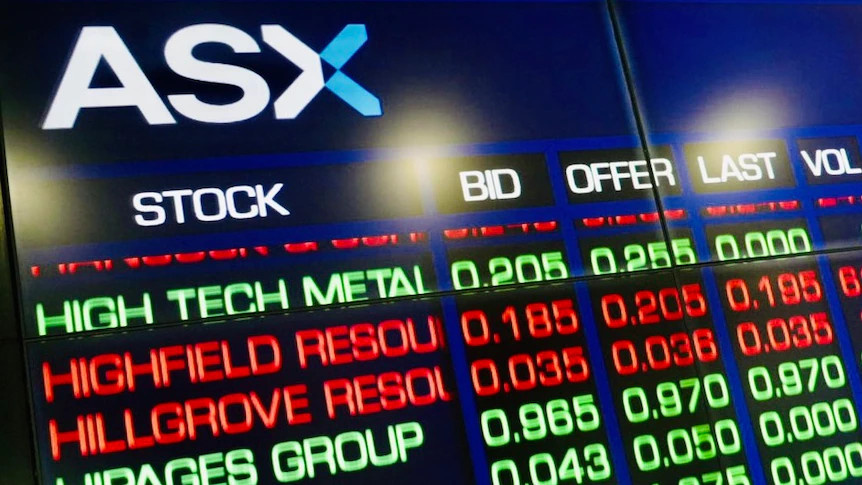
The timing of the Fed's decision is complicated by the release of the November consumer price index (CPI), which is scheduled for the morning after the Fed's announcement on December 9. This means that investors will be closely monitoring the Fed's perspective on inflation before making decisions based on the new CPI data. Bitcoin's price was around $61,900 early Friday but dropped to approximately $59,470 during the US trading session, reflecting broader market pressures, including declines in technology stocks.
Market Reading & Resources
Sponsor funding complete. Trade on.
The Federal Reserve maintained its target interest rate at 3.75% to 4.00% during its October meeting, with some members advocating for a quarter-point increase while others, including Waller, preferred to wait. Waller's rationale for this cautious approach was based on the belief that if the market anticipated a tightening of monetary policy, the Fed could afford to delay its decision, provided that future increases were assured.
As of November 10, Waller indicated that the Fed might need to consider a larger increase in December if core consumer prices continued to rise at a rate of approximately 0.3% per month. Following this, the October CPI data confirmed that core prices had indeed risen by 0.3%, marking the third consecutive month of such increases. In a subsequent television interview on November 18, Waller reiterated the need for either a larger increase or a clear commitment to future tightening measures.
Market expectations, however, still leaned towards a smaller increase. Research from UOB indicated that futures pricing as of November 18 suggested a 25-basis-point increase, with only a 7.6% chance of an additional quarter-point hike. A 25-basis-point increase would adjust the target range to 4.00%–4.25%, while a 50-basis-point move would elevate it to 4.25%–4.50%. Investors must differentiate between reaching this higher range sooner and the Fed's potential reassessment of the necessary peak rate.
Upcoming Economic Data Influences Fed's Decision-Making
The Fed will also have access to the October personal consumption expenditures (PCE) data on November 25 and the November employment report on December 4 before making its decision. The PCE is the inflation measure that the Fed uses to gauge its 2% target, although the CPI also plays a significant role in its evaluations. The December meeting is set for December 8–9, with new projections expected alongside the decision, and the November CPI report scheduled for release on December 10.
In the context of Bitcoin, the recent price drop has been exacerbated by substantial outflows from Bitcoin exchange-traded funds (ETFs). On November 19, US spot Bitcoin ETFs recorded net outflows of $582.3 million, with BlackRock's IBIT fund accounting for a significant portion of these withdrawals. Over the 14 trading sessions leading up to November 19, these funds experienced a cumulative loss of $3.47 billion, with IBIT representing about 85% of the total outflows.
Navigating Bitcoin's Challenges Amid Economic Pressures
The current economic environment, characterized by rising Treasury yields and increased borrowing costs, poses additional challenges for Bitcoin. As of November 19, three-month Treasury yields were at 4.34%, and two-year yields reached 4.76%. With Bitcoin not offering interest, higher financing costs complicate leveraged positions, potentially leading to further selling pressure in the market. The Fed's minutes have also highlighted financial risks beyond cryptocurrency, including concerns related to debt and financing tied to the AI sector, which could impact various speculative assets.
As the December meeting approaches, the Fed's decision will set a new rate target and provide updated projections for the market to consider. The subsequent CPI report could either validate or challenge the Fed's approach, leaving Bitcoin investors to navigate the implications of both the Fed's outlook and the latest economic data.