Pentagon's Iran War Costs Projected to Exceed $100 Billion
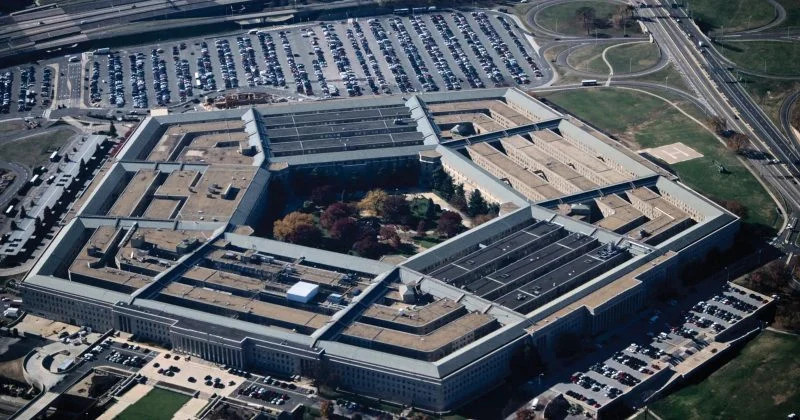
The ongoing U.S.-Iran conflict, which commenced in late February 2026, has escalated into a significant financial burden, with Pentagon costs for Operation Epic Fury reaching approximately $29 billion by mid-May 2026. This figure has increased from about $25 billion the previous month. Think tanks such as the Center for Strategic and International Studies and the American Enterprise Institute estimate direct military expenditures could range between $38.6 billion and $42 billion by late June. When considering long-term obligations, including veteran care and indirect economic impacts, some analysts project the total costs could exceed $100 billion, with more pessimistic estimates approaching $200 billion.
Despite the absence of a formal cost estimate from the Trump administration, the conflict's financial implications are already reverberating through the markets. Bitcoin's price movements have been influenced by rising U.S. Treasury yields, which climbed roughly 45 basis points in the early months of the conflict, and inflationary pressures stemming from oil disruptions near the Strait of Hormuz. These factors have contributed to a broader macroeconomic anxiety that is affecting risk assets, including cryptocurrencies.
Market Reading & Resources
Sponsor funding complete. Trade on.
Investors are currently navigating a landscape marked by uncertainty, relying on projections from think tanks and leaked intelligence assessments in the absence of official figures. As the situation develops, traders are advised to closely monitor three key variables: the direction of Treasury yields, which can signal tighter financial conditions that may compress Bitcoin's valuation; official inflation readings, particularly any re-acceleration in the Consumer Price Index (CPI) linked to oil prices; and any formal disclosures from the U.S. government regarding the costs of the conflict. Such disclosures could prompt markets to reassess the implications for national debt.
While a ceasefire was reached by mid-2026, alleviating some immediate concerns about escalation, the financial obligations incurred during the conflict remain a pressing issue. The potential long-term costs of the U.S.-Iran conflict are likely to continue influencing market dynamics, particularly in the cryptocurrency sector, as investors grapple with the interplay between military expenditures, inflation, and economic stability.