Bitcoin Plummets to Two-Year Low Amid AI Stock Decline
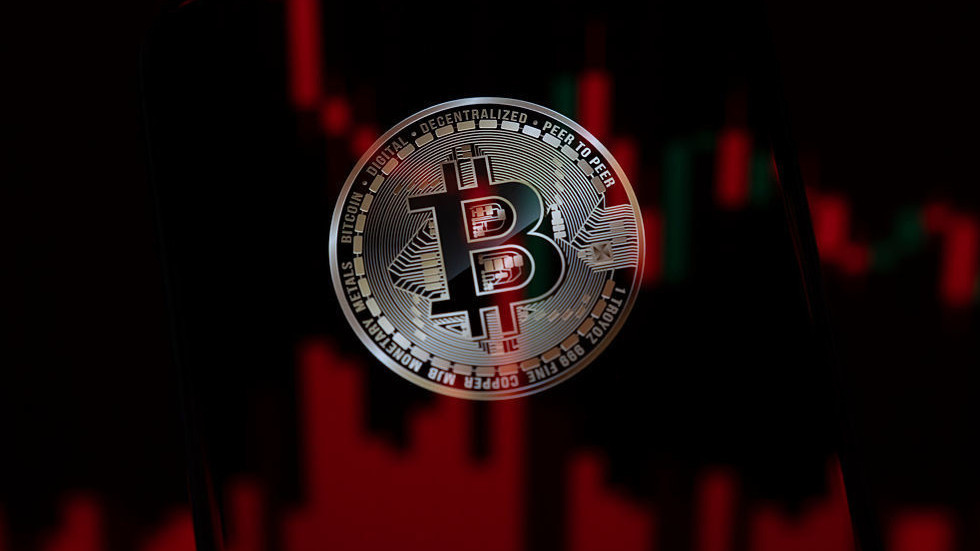
Bitcoin has plunged to its lowest level in more than two years, driven by a weeks-long rout in AI stocks and fears of higher US interest rates. The world’s largest cryptocurrency fell 5.7% in Asian trading to $55,533 on Saturday, marking its weakest level since September 2024, after losing around 6% in the US on Friday. Earlier, Bitcoin dipped below $60,000 for the first time since July.
This latest slump has wiped out more than half of Bitcoin’s value since its record high above $126,000 in October 2025. This peak followed US President Donald Trump’s promise to make America the “crypto-capital of the world,” alongside his administration’s efforts to ease cryptocurrency regulations. Currently, Bitcoin is valued less than it was when Trump returned to the White House.
Market Reading & Resources
Sponsor funding complete. Trade on.
The downturn has affected the entire cryptocurrency market, with Ethereum, Solana, and XRP also experiencing losses of 8% to 10% over a 24-hour period. This decline coincides with a broader rout in US technology stocks, as investors question whether the substantial investments in AI will yield adequate returns. On Friday, the tech-heavy Nasdaq fell 5.3%, erasing its gains for the year, while the S&P 500 and Dow Jones dropped 3.7% and 1.9%, respectively, with both indices entering correction territory after losing more than 10% from their recent peaks.
AI Chipmakers Face Severe Market Reactions Amid Leadership Turmoil
AI chipmakers have been particularly hard hit, with Nvidia shares plummeting 14% on Friday. This decline follows the resignation of CEO Jensen Huang amid allegations of an affair linked to Chinese intelligence, prompting investigations by US authorities. Even the much-anticipated stock market debut of AI developer Anthropic failed to restore investor confidence, with shares falling 8.5% on Friday after an initial surge.
Market Uncertainty Grows as Regulatory Concerns Loom Over Cryptocurrency
Concerns about further Federal Reserve interest rate hikes have also weighed heavily on the markets, as higher borrowing costs make safer investments more appealing. The recent Democratic victories in the US midterm elections have raised doubts about the future of crypto-friendly legislation, with potential for increased congressional scrutiny and consumer protection requirements complicating Trump’s deregulation agenda.
Andy Baehr of GSR noted, "The broader market has shifted into a sharp lack of confidence, and investors are de-risking. Bitcoin is along for the ride here, typically weak in deleveraging environments."