Federal Reserve Officials Cautious Despite Softer Inflation Data
The June Consumer Price Index (CPI) showed a significant decline, landing at 3.5% year-over-year, which was notably lower than the anticipated 3.8%. Month-over-month, prices fell by 0.4%, marking the steepest decline since May 2020. This unexpected drop led to an immediate surge in Bitcoin's value, which rose from approximately $62,900 to over $63,800 shortly after the data release on July 14. The broader crypto market also reacted positively as traders adjusted their expectations regarding the Federal Reserve's monetary policy.
While the headline CPI figure was striking, the underlying details painted a more complex picture. A substantial 9.7% decrease in gasoline prices contributed significantly to the overall CPI reduction. When excluding food and energy, the core CPI stood at 2.6% year-over-year, just shy of the 2.8% consensus estimate. The flat month-over-month reading on core CPI suggests that inflationary pressures may be easing, a signal the Fed has been monitoring closely.
Market Reading & Resources
Sponsor funding complete. Trade on.
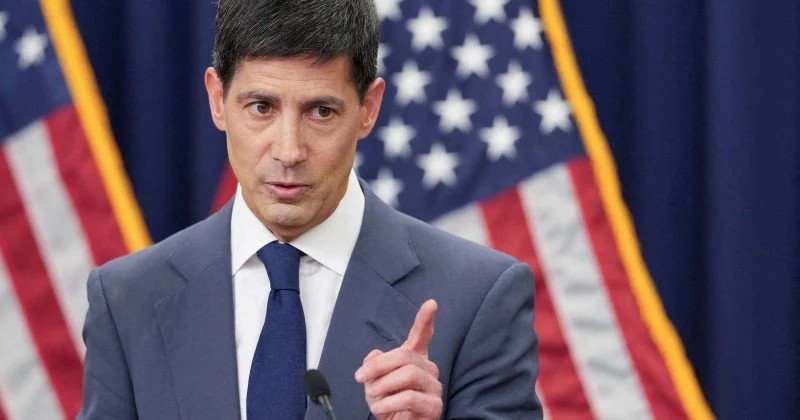
During his testimony on July 14, Fed Chair Kevin Warsh expressed a mix of optimism and caution. He reiterated the Fed's commitment to controlling inflation, stating there is "no tolerance for persistently elevated inflation," while also suggesting that the recent inflation surge may soon be behind us. Fed Governor Christopher Waller, speaking a day earlier, emphasized the necessity of several months of positive inflation data before the Fed could confidently assert that disinflation is on a sustainable path.
Despite the cooler inflation figures, neither Warsh nor Waller indicated that rate cuts were imminent. The likelihood of a rate hike in September remains around 60%, which may temper bullish sentiment among traders. The swift rise in Bitcoin's price following the CPI report exemplifies how macroeconomic data influences digital assets. The $900 increase within half an hour was driven by market sentiment rather than any specific on-chain developments, highlighting the relationship between softer inflation and potential easing of monetary policy.
However, the persistent probability of a September rate hike limits how optimistic traders can be. Waller's remarks about needing several months of favorable data suggest that the current cycle of inflation monitoring will continue. There is also the risk that volatile components, such as gasoline prices, could reverse their recent trends. A significant drop in gas prices is unlikely to be a consistent occurrence, and any rebound in energy prices could lead to a resurgence in the headline CPI.