Trump Calls for Federal Reserve to Lower Interest Rates
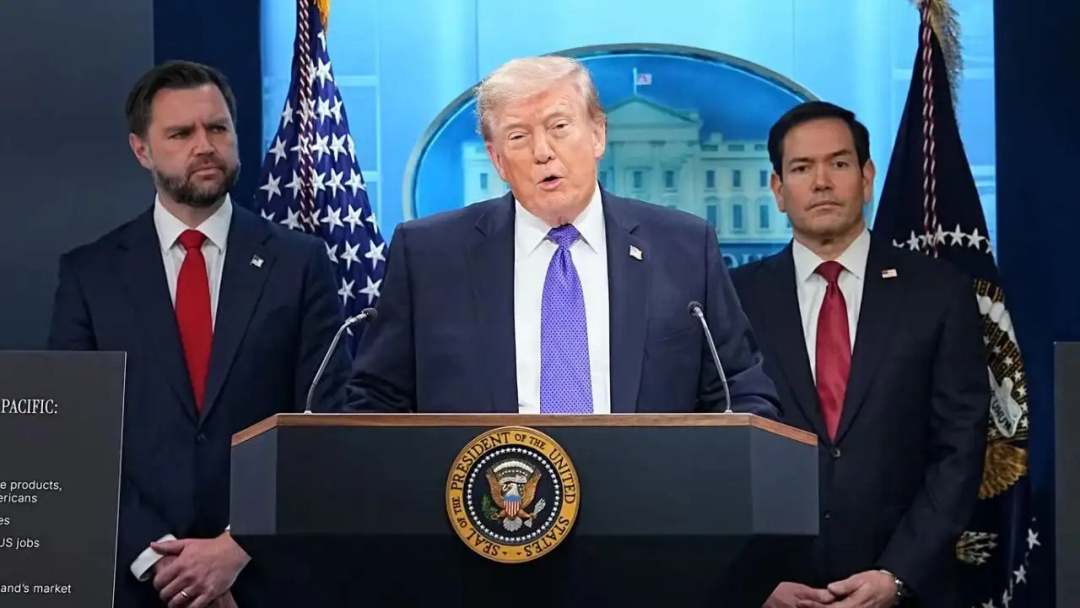
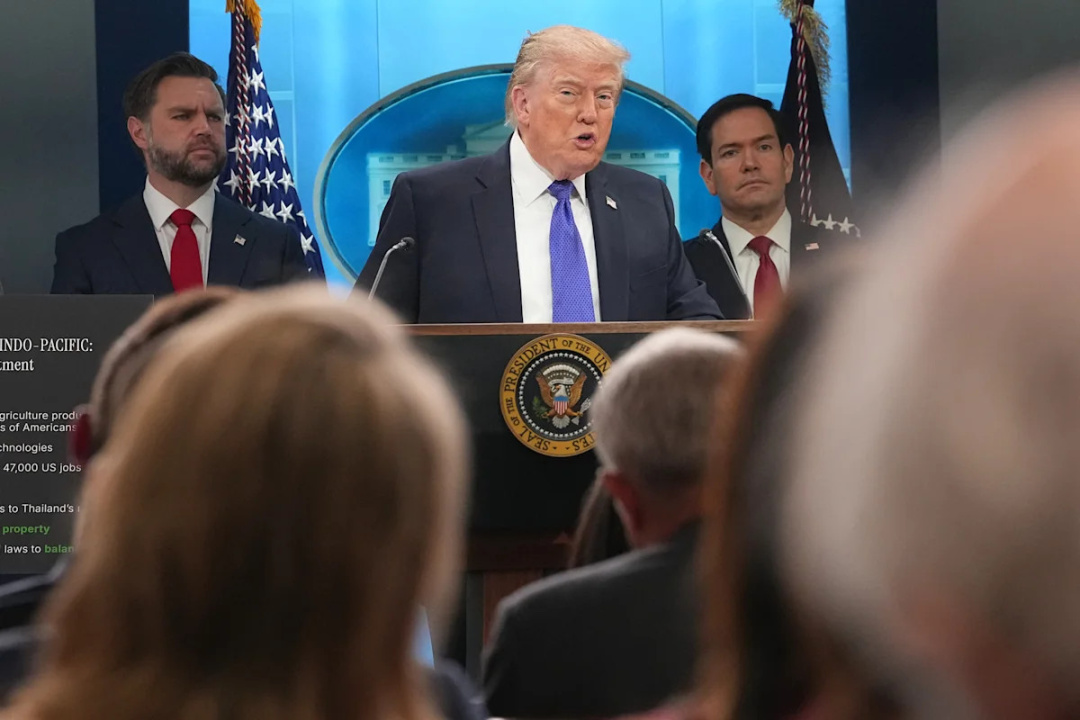
President Donald Trump has called on the Federal Reserve to lower interest rates, asserting that the current rates are excessively high due to the central bank's political nature. Speaking to reporters on November 20, Trump expressed his belief that the Fed's monetary policy should not be tightening under the present economic circumstances. He stated, "Interest rates are too high because we have a very political Fed, and I’m not blaming the chairman, by the way. I’m blaming the fact that we have a very political Fed."
Financial markets are widely expecting the Fed to raise interest rates by a quarter point at its upcoming policy meeting, with projections indicating more rate hikes may continue into 2027. However, Trump argues that the Fed should be more responsive to economic conditions, suggesting that rate increases typically follow positive economic data, which he believes should not be the case.
Market Reading & Resources
Sponsor funding complete. Trade on.
The current benchmark federal funds rate, which influences borrowing costs for businesses and consumers, is set between 3.75 percent and 4 percent. Trump has consistently criticized the Fed's approach, particularly under former Chairman Jerome Powell, and has previously called for rates to be significantly lower, even suggesting they should be around 1 percent or less.
Trump Advocates for Rate Cuts to Boost Economic Growth
In his recent comments, Trump indicated that if the Fed were to lower interest rates, it could lead to substantial economic growth, estimating an increase of 15 to 20 percent rather than the current 4 percent. He also claimed that reducing rates would help the federal government manage its debt more effectively, stating, "That’s the way it should work. But we do it in reverse."
Implications of Trump's Call for Federal Reserve Action
The Congressional Budget Office has projected that the U.S. government will incur approximately $20 trillion in interest on the national debt by 2036, which translates to around $200 billion per month. In fiscal year 2026, interest payments on the national debt exceeded $1 trillion, making it one of the largest items in the federal budget. Currently, the national debt stands at over $40 trillion.
As the Fed prepares for its next two-day meeting on December 8 and 9, Trump's remarks highlight the ongoing debate regarding monetary policy and its impact on the economy. Recent comments from Fed officials and minutes from the October meeting suggest that further tightening is anticipated in the coming months, despite the president's push for a different approach.