Trump Critiques Federal Reserve, Cites India's Economic Growth
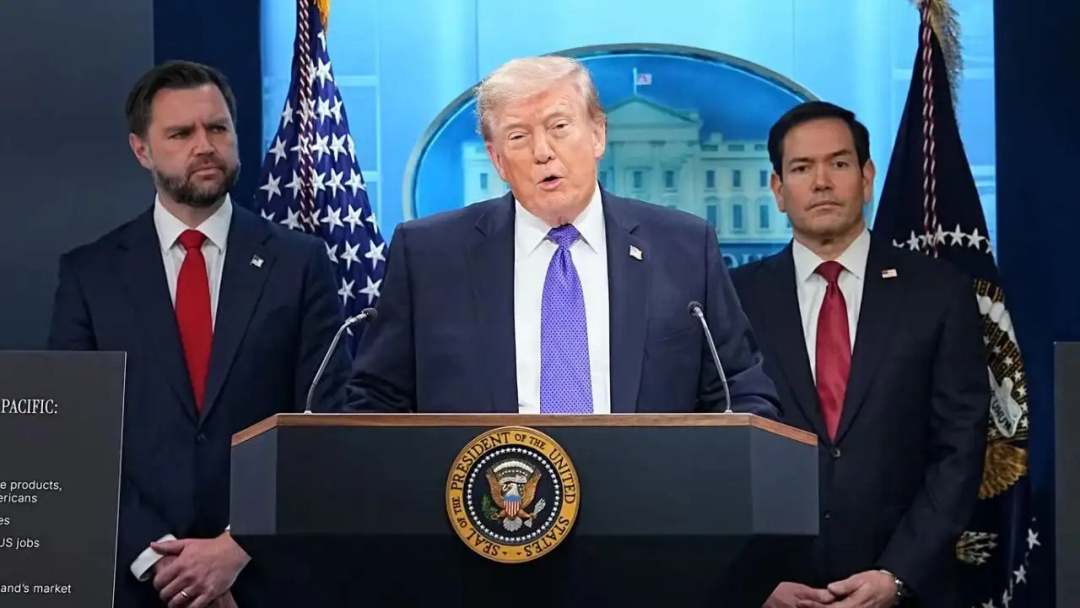
US President Donald Trump has publicly criticized the Federal Reserve regarding its interest rate policies, suggesting that lower borrowing costs could bolster economic growth. During a recent press conference at the White House, Trump pointed to India's economic success as a model, arguing that the US could see growth rates of 15 to 20 percent if the central bank were to lower interest rates.
Trump accused the Federal Reserve of being overly political, claiming that it tends to raise borrowing costs whenever the US announces strong economic data, rather than lowering rates to encourage further growth. He stated, "Interest rates are too high because we have a very political Fed. Whenever we announce good numbers, they raise the interest rates. They do that for a reason. It should be the opposite."
Market Reading & Resources
Sponsor funding complete. Trade on.
The President emphasized that strong economic indicators should lead to lower interest rates, as they reflect improved creditworthiness. He expressed concern that the Fed's current approach is limiting America's economic potential, stating, "When we have these great numbers, you shouldn't keep raising the rates. You should lower rates because we're a better credit. We would have a GDP of 15 or 20 percent, not 4 percent."
In making his case, Trump drew a comparison between the US and India, highlighting that India maintains lower interest rates while achieving a GDP growth rate of around 7 percent. He lamented that the US, despite its economic achievements, is hindered by rising interest rates. However, it is important to note that recent data indicates India's benchmark interest rate is currently higher than that of the US.
Comparing Monetary Policies: India vs. the US
According to the Reserve Bank of India's recent monetary policy decisions, the policy repo rate was raised to 5.50%, while the US Federal Reserve's target range for federal funds remains between 3.75% and 4%. This discrepancy illustrates the differing monetary policy approaches between the two nations.
The Federal Reserve operates under a dual mandate to achieve maximum employment and maintain price stability, with a long-term inflation target of 2%. Recent inflation data shows that the personal consumption expenditures (PCE) price index rose by 3.6% year-on-year in September 2026, which is above the Fed's target. In contrast, the Reserve Bank of India's inflation target is set at 4%, with a tolerance band of 2% to 6%, reflecting its own economic priorities.
Trump's Critique of Fed Policy and Economic Growth Implications
Trump's remarks underscore his ongoing criticism of the Federal Reserve's monetary policy, which he believes restricts economic expansion and increases the burden of government debt. He has consistently argued for lower interest rates, asserting that the US should lead the world in having the lowest borrowing costs due to its significant role in the global economy.
As the debate over interest rates continues, the contrasting economic strategies of the US and India highlight the complexities of monetary policy and its impact on growth.