Anthropic Stock Drops Over 11% Following IPO Amid AI Market Concerns

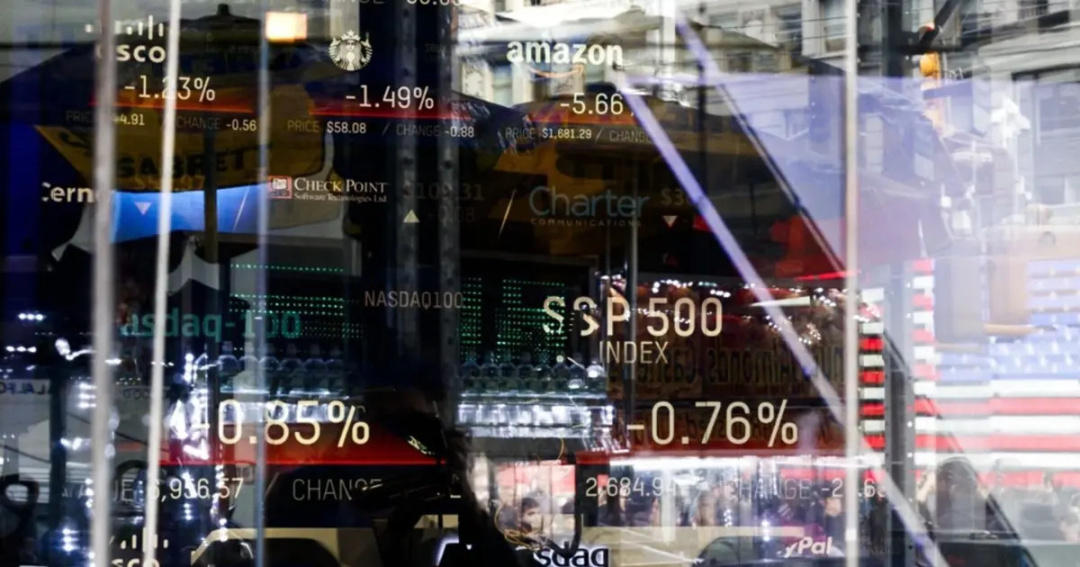
Anthropic's stock experienced a significant decline of over 11% on Friday morning, nearly erasing the gains from its record initial public offering. The drop occurred as the broader market faced a selloff in artificial intelligence stocks, raising concerns about the sustainability of high valuations in the sector.
On its Nasdaq debut, Anthropic's shares closed at $97.17, marking a 17% increase from its IPO price of $83. However, the stock fell to approximately $86.10 in morning trading, reflecting investor anxiety over rising infrastructure costs and the ability of tech companies to deliver adequate returns on their substantial investments in AI.
Market Reading & Resources
Sponsor funding complete. Trade on.
The stock initially opened at $111.50, which was about 34% higher than the offering price, and briefly peaked at $115.10 before retreating throughout the trading session. This volatility highlights the skepticism among investors regarding the long-term profitability of AI investments.
Broader Technology Sector Experiences Significant Declines
The technology sector as a whole also faced losses, with notable declines in shares of major companies such as Nvidia and Advanced Micro Devices, which fell approximately 5% and nearly 8%, respectively. The Nasdaq Composite index dropped around 2%, indicating a broader trend of selling pressure affecting major AI firms.
Anthropic's Record IPO and Investor Caution Amid Growth Concerns
Anthropic's IPO was the largest in history, raising approximately $93.5 billion after underwriters exercised their option to purchase additional shares. Additionally, the company secured a separate $26 billion private placement backed by prominent investors including Nvidia, Microsoft, Google, and AMD, bringing the total fundraising to about $119.5 billion.
Despite the rapid revenue growth reported by Anthropic, investors remain cautious, focusing on the company's significant computing commitments and the overall industry's capacity to maintain its current pace of infrastructure investment.