Ghana's Economic Recovery: Budget Projections and Challenges Ahead

Ghana's economic recovery is a welcome development, with the government deserving recognition for its efforts in restoring macroeconomic stability. The easing of inflation, improved debt conditions, and renewed confidence in the economy provide grounds for cautious optimism. However, recovery alone is not sufficient. The real test will be whether Ghana can withstand external shocks without falling into another cycle of instability, excessive borrowing, and painful adjustments.
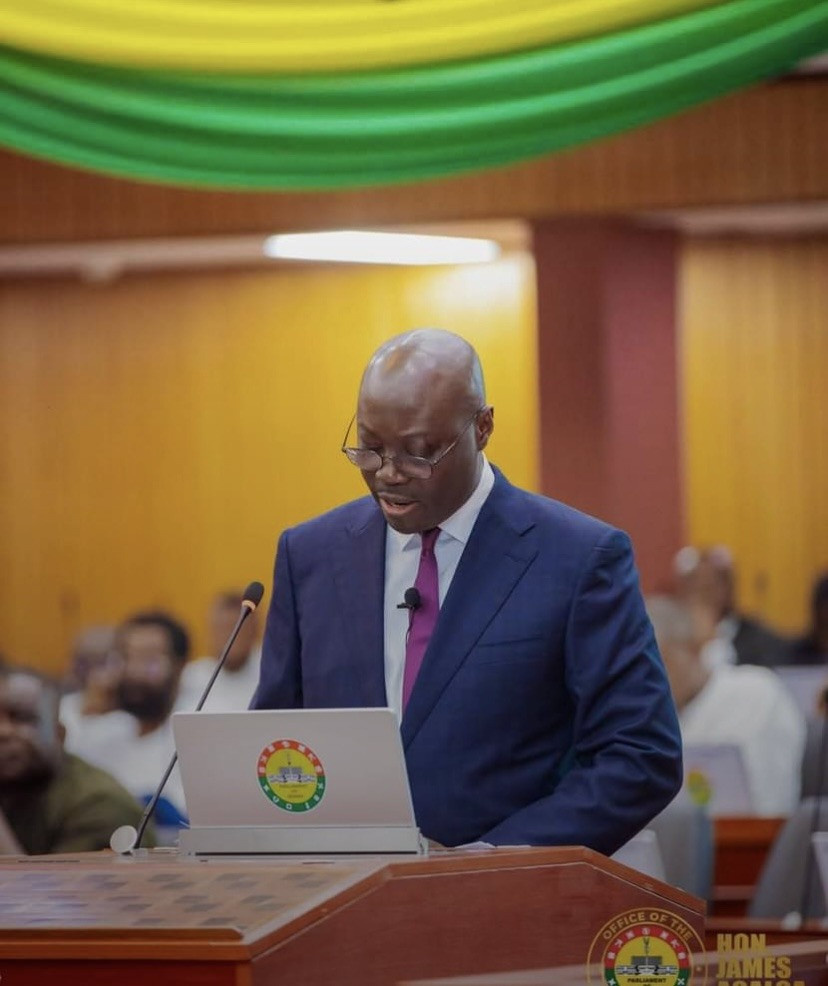
The 2027 Budget presents an opportunity to consolidate these gains. Its focus on investment in agriculture, energy, technology, and industry is encouraging, provided that ambition is matched by prudent management and effective implementation. Finance Minister Dr. Cassiel Ato Forson projected a real GDP growth of 5.2 percent for 2027 during the Budget presentation to Parliament on November 12, 2026.
Market Reading & Resources
Sponsor funding complete. Trade on.
The government expects revenue and grants to reach GH¢323.1 billion against an expenditure of GH¢375 billion on a commitment basis, resulting in a projected fiscal deficit of 2.9 percent of GDP, with a primary surplus target of 0.5 percent. To meet these targets, the government plans to implement tax reforms, improve compliance, enhance digital revenue administration, and address revenue leakages. Additionally, GH¢30 billion has been earmarked for the first year of the US$10 billion New Economy Programme, which will run from 2027 to 2030, focusing on sectors such as commercial agriculture, energy infrastructure, critical minerals, tourism, textiles, pharmaceuticals, and technology, including a proposed US$3 billion investment in commercial agriculture over four years.
While The Chronicle welcomes this focus on productive sectors, it emphasizes that the New Economy Programme must deliver value for money, guided by rigorous appraisal, transparency, and measurable returns. The government has also announced the early redemption of GH¢29 billion in bonds from the Domestic Debt Exchange Programme due in February 2027. As of the end of October 2026, public debt stood at GH¢759.3 billion, or 47.5 percent of GDP.
Despite these positive developments, risks remain. Fitch Solutions projects that growth will moderate to 5 percent in 2027 from an estimated 6 percent in 2026. At the PwC Post-Budget Forum, director Mike Kruiniger forecasted an average cedi rate of GH¢12.40 to the US dollar and inflation above 10 percent in the latter half of next year. Fitch also highlighted concerns over moderating gold prices, reduced foreign exchange inflows, higher import costs, and climate-related agricultural disruptions.
On November 18, 2026, the Bank of Ghana adjusted the Monetary Policy Rate from 14 to 11 percent, stating that market interest rates had fallen below the previous policy rate due to improved liquidity management and changes to its monetary operations framework. This 300-basis-point adjustment was described as a reflection of market conditions rather than conventional monetary easing. The Chronicle recognizes the importance of this realignment, but the next challenge will be whether it improves access to credit.
Challenges in Securing Affordable Financing for Key Industries
Although the average lending rate decreased to 15.8 percent in October from 22.2 percent a year earlier, businesses in agriculture, manufacturing, and industry require affordable financing to expand production and create jobs. Ghana's recent economic crisis serves as a sobering lesson. Inflation peaked at 54.1 percent in December 2022, the cedi depreciated sharply, public debt became unsustainable, and the country lost access to international capital markets. The US$3 billion IMF programme secured in May 2023 and subsequent debt restructuring helped restore stability but imposed significant costs on households, businesses, banks, and pension funds. Recovery must not obscure the weaknesses that contributed to that crisis.
Dependence on a narrow export base remains a significant vulnerability. Gold accounted for approximately 67 percent of Ghana's export earnings in the first ten months of 2026. As of November 17, 2026, reserves stood at US$12.1 billion, equivalent to 4.4 months of import cover, falling short of the government's six-month target. Export diversification must become a national priority. Cocoa and processed cocoa products, cashew, horticultural produce, pharmaceuticals, manufactured goods, and value-added minerals can broaden foreign exchange earnings.
Ghana must move beyond raw commodity exports and develop competitive processing and manufacturing industries. Excessive reliance on gold leaves the economy vulnerable to price fluctuations beyond its control. Climate change also poses a serious threat. The Ghana Meteorological Agency has warned that El Niño could bring prolonged dry spells, higher temperatures, and rainfall variability from November 2026 into the first half of 2027, impacting agriculture and water availability.
Ensuring Sustainable Economic Growth Through Climate Preparedness
It is imperative for Ghana to take greater responsibility for climate preparedness. While international climate finance remains crucial, it must complement domestic investment. The government should enhance irrigation, water harvesting, drought-tolerant crops, agricultural research, and early-warning systems, integrating these measures into the New Economy Programme to safeguard farmers and food production.
Ultimately, the 2027 Budget must be evaluated based on its ability to build an economy that produces and exports more, creates jobs, and withstands external disruptions. The government deserves credit for the progress made, but it must secure these gains through fiscal discipline, export diversification, and climate preparedness. Without these foundational elements, today's recovery could lead to tomorrow's crisis.