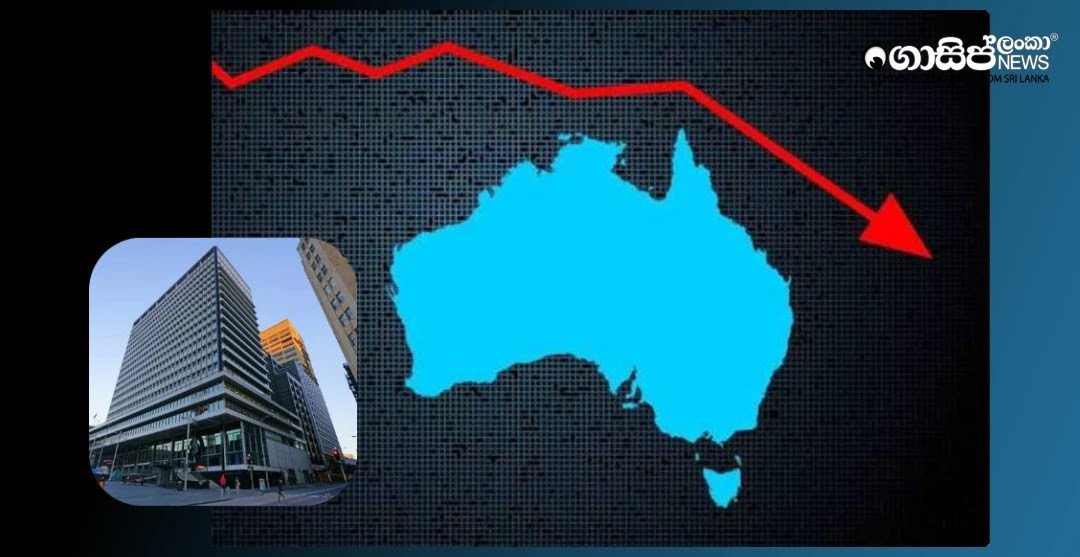
Jobless Rate Rise Puts Pressure on Reserve Bank's Credibility
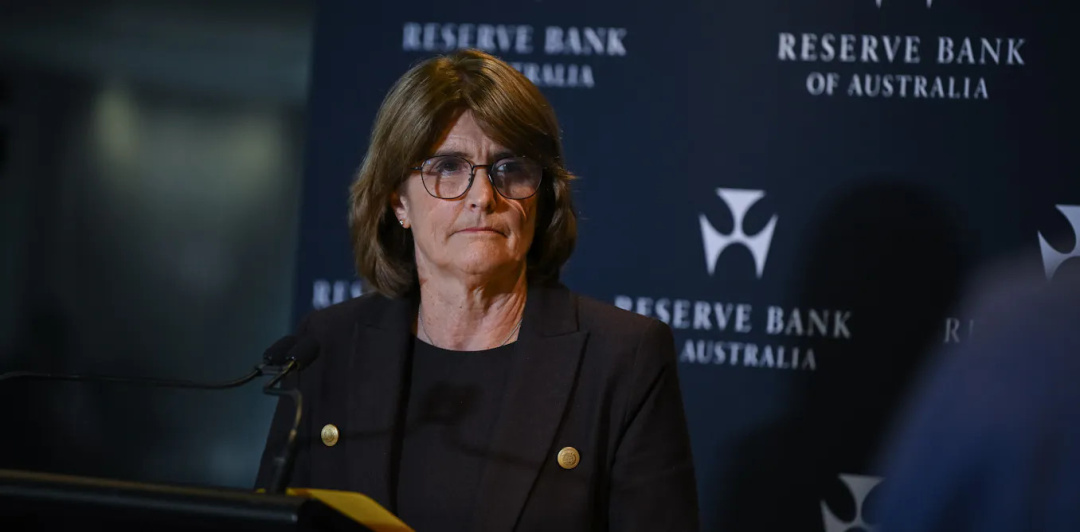
Australia's unemployment rate has unexpectedly risen to 4.9% in October, up from 4.7% in September, placing significant pressure on Treasurer Jim Chalmers and Reserve Bank Governor Michele Bullock. This increase raises questions about the Reserve Bank's recent decision to raise interest rates, which was made during a contentious meeting that ended with a six to three vote. Critics argue that the bank's decision may have been premature given the current economic uncertainty and the potential for further depressing economic activity.
Chalmers' response to the job numbers reflects the serious challenges facing Australians, particularly in light of rising interest rates and global economic pressures. The dual mandate of the Reserve Bank—to manage inflation while maintaining employment—poses a delicate balancing act, especially during times of economic strain. Critics of the bank's decision to raise rates contend that it has not adequately considered the delayed effects of previous rate hikes, suggesting that more time should have been allowed to assess their impact on the economy.
Market Reading & Resources
Sponsor funding complete. Trade on.
The minutes from the Reserve Bank's board meeting reveal dissent among members regarding the decision to increase the cash rate. A minority of members argued that it would have been more prudent to keep rates unchanged, citing concerns about the potential for a sharper economic downturn and the associated costs in terms of unemployment. These dissenting voices highlight the ongoing debate within the bank about the best approach to managing inflation and economic growth.
Navigating Economic Uncertainty: The Reserve Bank's Credibility at Stake
As the Reserve Bank continues to navigate these challenges, the credibility of Bullock and her team is on the line. If the board finds that it acted too hastily in raising rates, it may need to consider reversing course in the near future. The next board meeting in December is expected to maintain the current rates, but the following meeting in February could bring further scrutiny and potential adjustments.
The uncertainty surrounding future rate decisions adds to the anxiety felt by many Australians, who are already grappling with the implications of rising unemployment and economic instability. Both Chalmers and Bullock have expressed confidence in their economic strategies, but the stakes are high. A miscalculation could not only damage their reputations but also have severe consequences for the livelihoods of many Australians and the stability of businesses across the country.