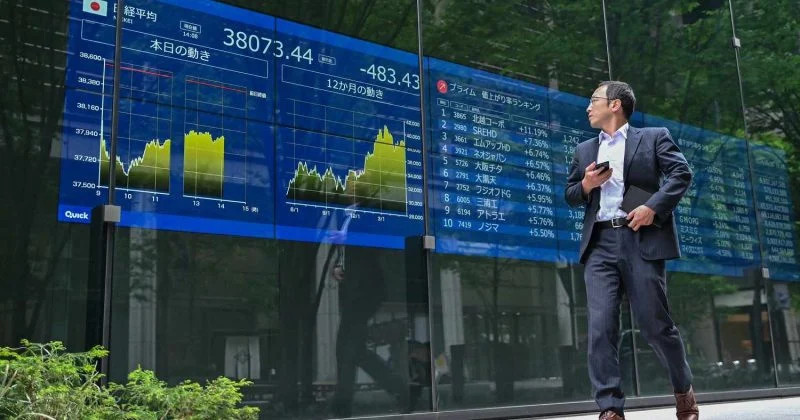
Nikkei 225 Plummets Over 3,000 Points Amid AI and Semiconductor Selloff

Japan's Nikkei 225 index suffered a steep decline of 3,008 points, or 5.06%, closing at 56,437 on November 20, marking its lowest point in more than seven months. This downturn was largely attributed to a global selloff in artificial intelligence and semiconductor stocks, triggered by a lackluster market response to Anthropic's initial public offering in the United States. The disappointing debut led to widespread selling across various sectors, including banks and consumer stocks, highlighting the interconnectedness of market sentiments.
The volatility surrounding Anthropic's IPO raised concerns about the potential reception of a future initial public offering from OpenAI. Despite differing business models, investors are increasingly viewing these companies as indicators of the commercial viability of advanced AI systems. The market's reaction to Anthropic's performance has intensified scrutiny of SoftBank's investment strategy, particularly regarding the profitability of AI ventures and the substantial costs associated with developing sophisticated models.
Market Reading & Resources
Sponsor funding complete. Trade on.
In the semiconductor sector, Kioxia Holdings saw its shares drop approximately 11%, reaching their lowest level since April. Similarly, Fujikura experienced a decline of around 12%, while Tokyo Electron faced significant losses as capital withdrew from semiconductor manufacturing equipment and related industries. The Nikkei Semiconductor Stock Index, which tracks 30 semiconductor-related companies, reflected this trend, having previously surged to about 2.3 times its level at the end of March but now showing diminished gains.
The broader market decline was exacerbated by rising expectations that the U.S. Federal Reserve would continue to increase interest rates. Investors have begun to abandon hopes for immediate monetary support, especially following indications that inflation remains a pressing concern for U.S. policymakers. Market pricing suggests a 97% probability of a 0.25-percentage-point rate increase at the Federal Reserve's December meeting, with discussions of further increases adding to investor anxiety.
Challenges for Growth Companies Amid Rising Interest Rates
The impact of higher interest rates poses a particular challenge for growth companies, whose valuations are heavily reliant on future earnings. As bond yields rise, the present value of these earnings diminishes, prompting investors to shift their capital away from high-value equities. This trend was evident in the performance of major financial institutions in Japan, with Mitsubishi UFJ Financial Group dropping 5.4% and other banks following suit, despite higher domestic interest rates typically being favorable for financial institutions.
The selloff also extended to Japan Tobacco, which announced a significant downward revision to its earnings forecast due to the loss of control over its Russian operations. The company projected a loss of approximately 1.377 trillion yen, prompting a sharp decline in its stock price. This situation underscores how geopolitical developments can abruptly affect the value of overseas assets held by Japanese corporations.
Market Resilience Amid Broader Declines
Despite the overwhelmingly negative market environment, a few companies managed to post gains, particularly in the insurance sector. Tokio Marine Holdings, for instance, saw a nearly 3% increase in its shares, buoyed by strong earnings and plans for share repurchases. This resilience among certain companies highlights the potential for specific earnings and capital policies to attract investor interest, even amidst broader market declines.
As the Nikkei 225 closed at its intraday low, the market's future direction will depend heavily on developments in U.S. financial markets, particularly the performance of major semiconductor shares and the outlook for Federal Reserve interest rates. Investors are now tasked with distinguishing between companies facing temporary valuation adjustments and those whose earnings expectations may need revision as financial conditions tighten. The overall market sentiment remains cautious, with many investors reevaluating their positions in light of the recent volatility.