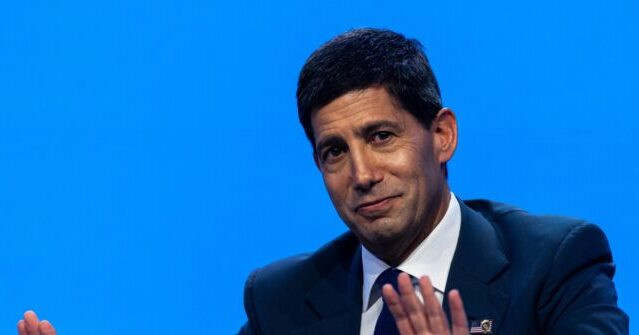
Bank of Canada Maintains Rate at 2.25%, Signals End of Easing Cycle

The Bank of Canada has held its overnight lending rate steady at 2.25%, signaling a potential end to its easing cycle. This decision reflects the central bank's assessment that monetary policy is appropriately calibrated as economic activity strengthens and inflation trends toward its 2% target. Despite this, the bank has acknowledged ongoing uncertainties related to geopolitical conflicts and U.S. trade policies that could impact the economic outlook.
In its global assessment, the Bank noted that rising oil prices due to Middle Eastern conflicts have dampened growth prospects. Conversely, robust investment in artificial intelligence is providing a boost to economic activity across major economies. The bank projects that world GDP growth will slow to 2.75% in 2026 before rebounding to approximately 3.25% in the subsequent years.
Market Reading & Resources
Sponsor funding complete. Trade on.
The U.S. economy continues to show resilience, driven by strong consumer demand and AI investments. Meanwhile, China's export sector remains stable, and the euro area is expected to improve if energy prices decline. For Canada, the Bank of Canada reports that economic conditions are improving after a period of stagnation caused by tariffs and slower population growth. The bank estimates second-quarter growth at 2.5% and forecasts GDP growth of 0.7% for the next year, with an acceleration to 1.8% in both 2027 and 2028.
Household spending is holding up well, and there are signs of strengthening in exports and business investments, alongside stabilizing housing activity. However, the labor market still shows signs of slack, with unemployment remaining at 6.5%.
The Bank highlighted that the rise in headline inflation to 3.2% in May was largely driven by increased gasoline prices, while underlying inflation remains close to the 2% target. It anticipates that temporary energy-related price pressures will subside, allowing inflation to return to its target by early 2027, assuming oil prices follow expected trends. The Governing Council has reiterated its commitment to monitoring incoming data and is prepared to adjust policy as necessary to maintain price stability and support economic recovery.