Bank of Canada Maintains Interest Rates Amid Economic Growth Outlook
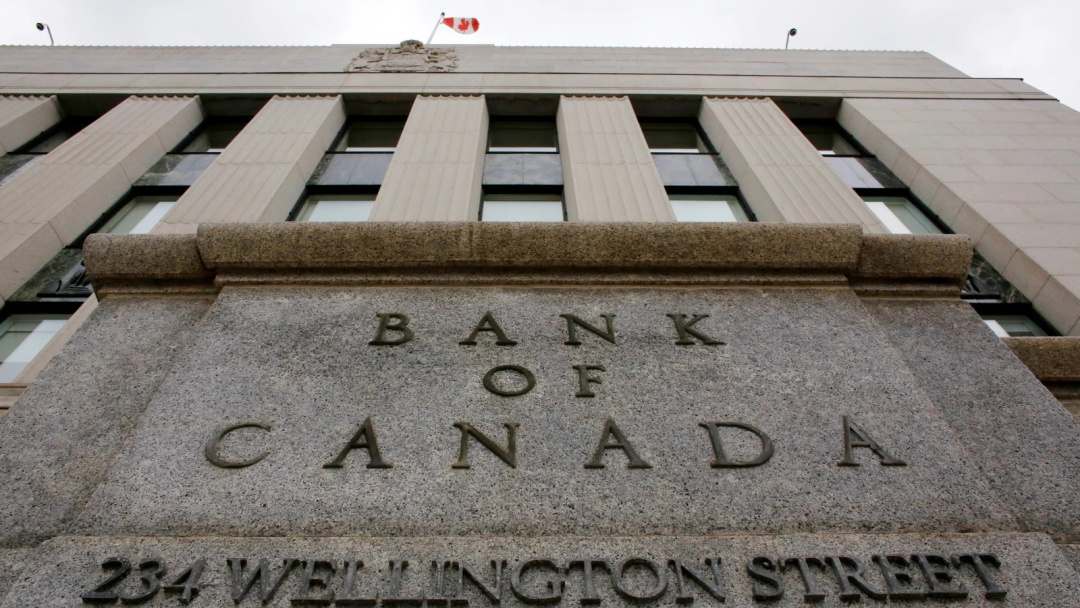
The Bank of Canada has opted to maintain its benchmark overnight interest rate at 2.25%, a decision that aligns with market expectations. This marks the sixth consecutive time the central bank has refrained from altering its key policy rate, following a series of cuts last year that brought the rate down to its current level in October. The bank's statement indicates that Canada’s economy is beginning to show signs of improvement, with growth anticipated to strengthen in the latter half of the year as inflationary pressures ease.
In its latest assessment, the Bank of Canada has slightly revised its growth forecasts upward for 2027 and 2028, while reducing its 2026 growth projection from 1.2% to 0.7%, reflecting a weaker economic start to the year. The central bank has also adjusted its inflation forecast for 2026, increasing it to 2.5% from 2.3% previously, although it expects inflation to remain near the midpoint of its target range of 1% to 3% over the next two years.
Market Reading & Resources
Sponsor funding complete. Trade on.
The bank predicts an annualized economic growth rate of 2.5% for the second quarter, following a stall in the first quarter due to disruptions linked to the ongoing conflict in the Middle East and uncertainties surrounding U.S. trade policy. Governor Tiff Macklem expressed increased confidence in the economy's resilience in light of recent data, stating that it is navigating through a challenging global environment.
All 36 economists surveyed by Reuters had anticipated that the central bank would hold rates steady, with many predicting no changes until at least July of the following year. Money markets are also reflecting expectations for the rate to remain unchanged for the remainder of the year.
The Bank of Canada has identified the evolving trade relationship with the U.S. and the geopolitical situation in the Middle East as significant risks to its inflation outlook. Macklem noted that while the bank has been monitoring the direct impacts of rising oil prices on inflation, prolonged high oil prices could lead to broader inflationary effects on other goods and services. He emphasized the bank's commitment to preventing elevated oil prices from translating into persistent inflation.