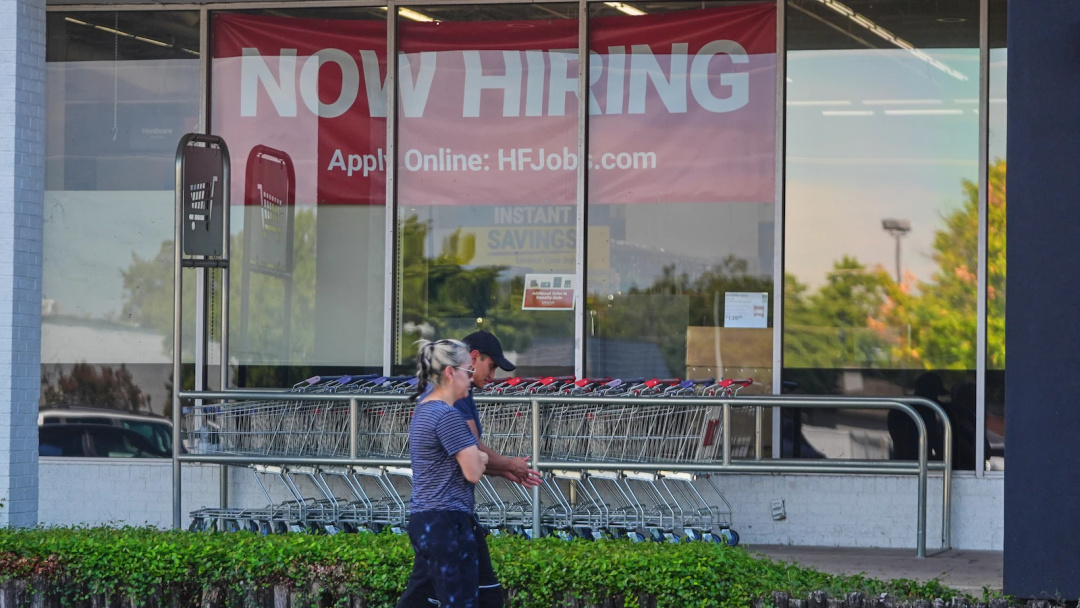
U.S. Unemployment Claims Increase Slightly but Remain Historically Low
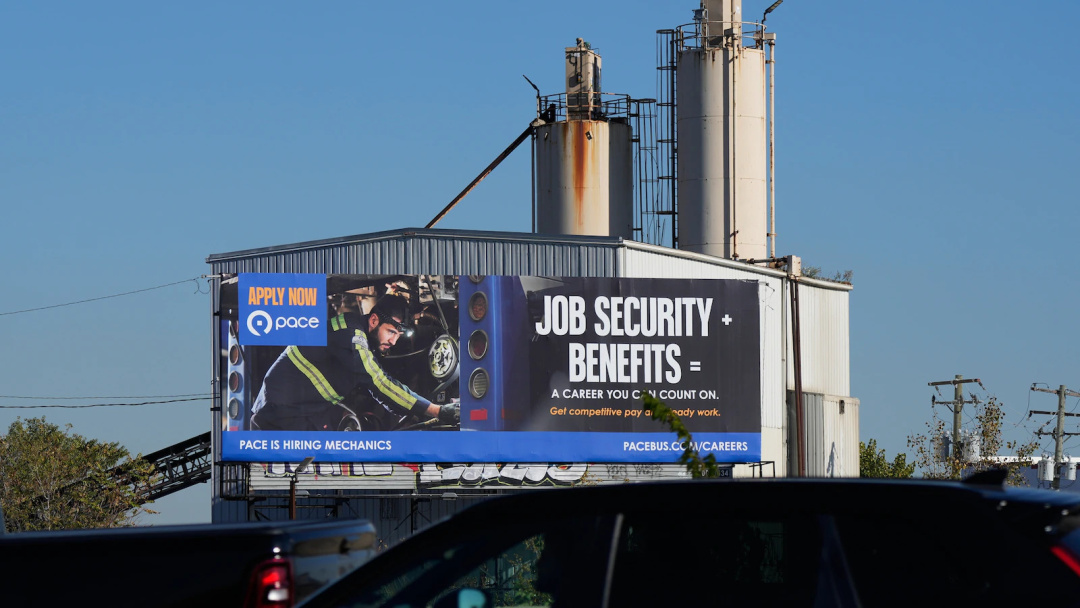
The latest data from the Labor Department reveals a slight increase in applications for U.S. unemployment benefits, with claims rising to 203,000 from a revised figure of 202,000 the previous week. The four-week average, which helps smooth out fluctuations, also saw a rise, increasing by 2,000 to reach 197,750. This trend suggests that while more individuals are seeking unemployment aid, layoffs remain at a historically low level, indicating that most American workers enjoy solid job security.
Economists closely monitor unemployment claims as they serve as a proxy for layoffs and can signal future trends in the job market. Throughout this year, claims have consistently remained below 220,000, reflecting a generally stable employment landscape. The report indicates that many companies are confident in the economy and their sales, leading them to retain their workforce.
Market Reading & Resources
Sponsor funding complete. Trade on.
Despite the stability in layoffs, hiring has been sluggish, contributing to a job market characterized by low hiring and low firing rates. However, recent months have shown improvement in job creation, with employers adding 165,000 jobs in October, surpassing economists' expectations. The unemployment rate has also seen a slight decrease, dropping to 4.1% from 4.2%.
Economic Growth and Consumer Spending Trends
The U.S. economy continues to expand at a solid pace, bolstered by resilient consumer spending, even in the face of elevated inflation that has impacted inflation-adjusted earnings. Investment in data centers is also contributing positively to economic growth. The economy grew at an annual rate of 3.4% in the third quarter, a notable increase from the 2.2% growth observed in the previous quarter. The Federal Reserve Bank of Atlanta projects a similar growth rate of 3.2% for the final quarter of the year.
Job Market Trends and Unemployment Insights
As the economy grows, hiring has not kept pace, leading to speculation among economists about the potential impact of artificial intelligence on the job market. While there are concerns that AI may displace workers, current data does not indicate a significant increase in layoffs attributed to this technology. Some companies may be postponing hiring as they integrate AI solutions into their operations.
Overall, the current job market reflects a complex interplay of stability and cautious growth. While the increase in unemployment claims may raise eyebrows, the broader context of low layoffs and steady job creation paints a more optimistic picture of the labor market. As companies navigate the challenges of inflation and technological advancements, the focus remains on maintaining workforce stability and adapting to changing economic conditions.