Federal Reserve Officials Consider Larger Interest Rate Hike in December
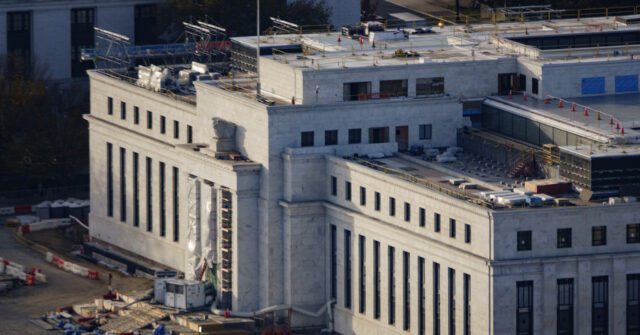
Minutes from the Federal Reserve's October meeting indicate that two officials suggested the central bank should consider raising interest rates by more than a quarter percentage point in December if inflation readings do not improve. The minutes, released on Wednesday, highlighted that nearly all Fed officials anticipated the need for rate increases in the coming months to achieve the 2 percent inflation target.
Fed Governor Christopher Waller expressed support for a half-percentage-point increase in December, while New York Fed President John Williams noted he did not see the necessity for such a significant move. This debate follows an October inflation report that indicated widespread price increases across various goods and services.
Market Reading & Resources
Sponsor funding complete. Trade on.
On October 28, the Fed voted 10-2 to maintain its benchmark interest rate within a range of 3.75 percent to 4 percent, following a quarter-point increase in September. The dissenting votes came from Gov. Lisa Cook and Cleveland Fed President Beth Hammack, who advocated for another quarter-point hike, while Waller voted to keep rates steady.
Support for an increase in October extended beyond the two dissenters, with discussions involving regional Fed presidents who do not have voting rights. Some officials who favored holding rates steady acknowledged that it was a close decision. Those in favor of waiting cited the need to assess the impact of the September rate increase on borrowing and spending, as well as the ongoing surge in investment in artificial intelligence.
Market Sentiment Shifts Towards Anticipated Rate Increases
Market expectations already indicated potential rate increases in December and into 2027, which made the decision to hold rates in October less risky for some officials. However, those advocating for immediate rate hikes argued that they could have accepted a hold if investors were aware that higher rates were likely.
Persistent Inflationary Pressures Challenge Economic Stability
Officials noted persistent price pressures throughout the economy, despite some indicating that the effects of earlier tariffs were diminishing. High energy prices continued to contribute to inflation, while demand for equipment and components used in data centers strained supplies and increased prices for certain consumer electronics. Several officials remarked that these pressures were affecting industries not directly linked to data center construction.
The job market was described as stable, with hiring levels sufficient to match workforce growth. Consumer spending and business investment were reported to be strong, although higher borrowing costs were beginning to impact housing, commercial real estate, and small businesses.