Waller Advocates for 50-Basis-Point Rate Hike Amid Inflation Concerns
Federal Reserve Governor Christopher Waller has urged the central bank to adopt a more aggressive stance regarding interest rate hikes, suggesting that a 50-basis-point increase in December may be necessary to address stubborn inflation. In a recent CNBC interview, Waller indicated that the Fed should either implement this larger increase at its upcoming meeting on December 8-9 or clearly signal that another hike will follow in January.
Waller expressed the need for decisive action, stating, "You might need to, like, shock people," in reference to the Fed's efforts to prevent businesses and consumers from normalizing inflation rates around 3%. He believes that a 50-basis-point hike is essential to establish a strong stance against inflation and to ensure that expectations align with the Fed's target of 2% inflation.
Market Reading & Resources
Sponsor funding complete. Trade on.
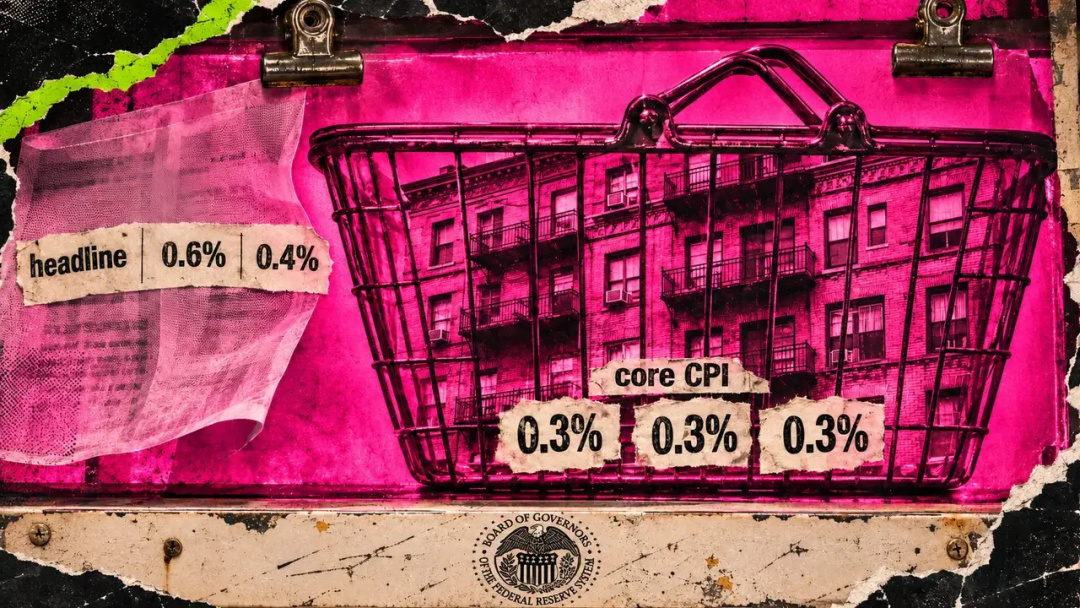
His comments come on the heels of three consecutive months in which core consumer prices have risen by 0.3%, translating to an annual inflation rate of approximately 3.5%. This rate significantly exceeds the Fed's target, which is measured using the Personal Consumption Expenditures price index. Waller had previously indicated that another core CPI reading of 0.3% would justify considering a half-point hike, and the October inflation data met this threshold.
Waller Highlights Inflation Risks and Proposed Rate Adjustments
Waller's increasing concern about inflation psychology is evident, particularly the risk that businesses may begin to accept annual price increases of 3% as the norm, leading to higher costs for consumers. The proposed rate hike would elevate the Fed's benchmark rate from the current range of 3.75%-4% to 4.25%-4.50%. While two consecutive quarter-point hikes could achieve the same target, Waller argues that the timing and communication of these decisions are critical in maintaining inflation expectations.
Market Skepticism Surrounds Fed's Rate Hike Projections
Market reactions indicate skepticism regarding the Fed's potential for such a significant increase in December. Futures pricing suggests a 95% probability of a 25-basis-point hike, with only a 5% chance of a half-point increase. This uncertainty reflects broader concerns about the impact of higher borrowing costs, particularly on speculative investments like cryptocurrencies. Higher interest rates tend to make traditional interest-bearing investments more appealing compared to riskier assets.
In a separate speech at The Clearing House Annual Conference, Waller discussed the evolving landscape of finance, emphasizing that while blockchain technology has the potential to reshape payments and securities markets, traditional banking infrastructure remains essential. He highlighted the convergence of traditional finance and blockchain, noting that banks are exploring tokenized deposits and stablecoins. Waller asserted that while central bank money does not need to be used in every transaction, its foundational presence is crucial for the system's integrity.