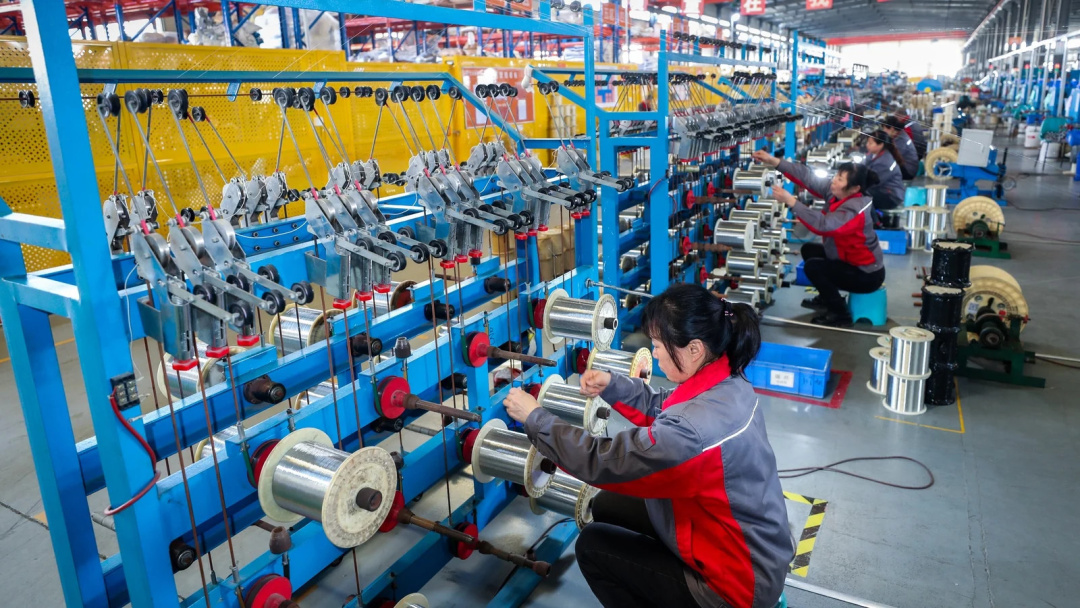
Pakistan's External Debt Surpasses $135 Billion Amid Economic Struggles
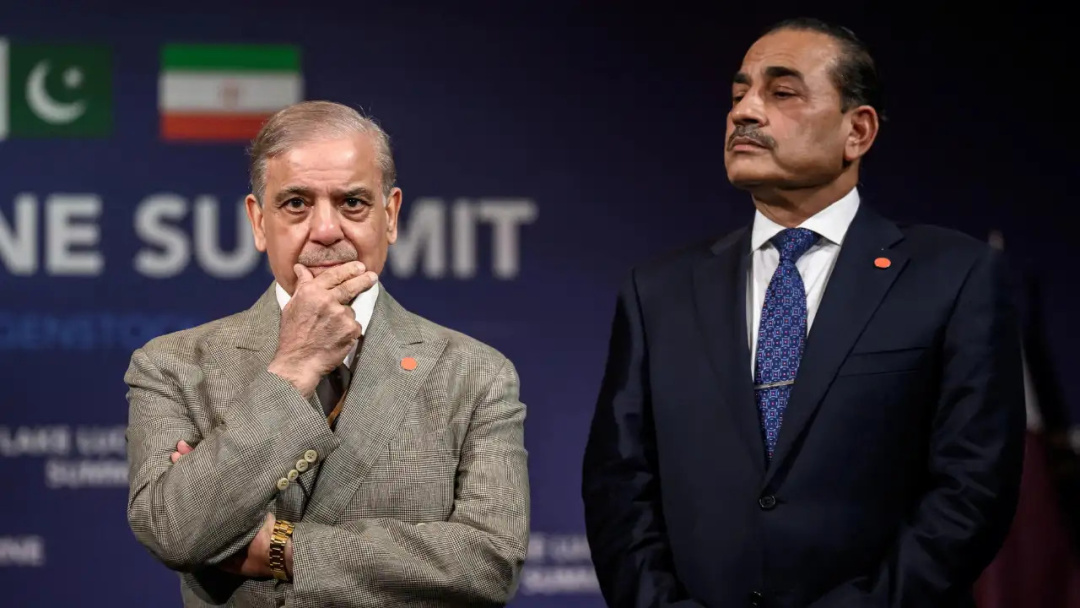
Pakistan's external debt has reached a staggering $135.1 billion, reflecting a nearly 97% increase since 2015. This figure, reported in the World Bank's International Debt Report 2026, underscores the country's growing financial burden. Despite the alarming debt levels, Pakistan continues to receive loans from various international creditors, raising questions about the sustainability of its economic model.
The report indicates that as of 2025, Pakistan's external debt had risen from $129.9 billion in 2024. A significant portion of this debt, approximately $107.1 billion, is public and publicly guaranteed, with multilateral creditors holding nearly $57 billion of that amount. China stands out as Pakistan's largest bilateral lender, with debts amounting to $22.4 billion, followed by the World Bank and the Asian Development Bank.
Market Reading & Resources
Sponsor funding complete. Trade on.
Pakistan's economic indicators present a mixed picture. While the economy grew by 3.7% in FY26, the unemployment rate remains high at 7%, and poverty has increased, affecting around 70 million people. The country faces the challenge of generating sufficient foreign exchange to service its debt, which consumes a significant portion of its export earnings.
International Financial Support Remains Vital for Pakistan's Stability
The continued financial support from international institutions like the IMF and the World Bank is crucial for Pakistan. The IMF has provided multiple bailout packages since Pakistan joined in 1950, with the latest release of $1.21 billion contingent on meeting specific conditions. Experts suggest that the IMF's lending decisions are influenced by political considerations, as member countries, including the U.S. and India, play a role in the approval process.
Navigating Debt Challenges: The Future of Pakistan's Economy
China's ongoing support, including loan rollovers, is attributed to the strategic relationship between the two nations. This partnership is exemplified by the China-Pakistan Economic Corridor, which aims to bolster Pakistan's economy through significant investments. However, the question remains whether Pakistan can generate enough foreign exchange to meet its growing debt obligations.
The implications of Pakistan's debt situation are profound. If creditors were to stop lending, the country could face severe economic difficulties, potentially leading to a default. While Pakistan has managed to avoid default thus far, the reliance on external financing raises concerns about the long-term viability of its economic strategy. The challenge lies not only in securing loans but also in building a robust economy capable of sustaining itself without constant external support.