Japan Secures Mexican Crude Amid Iran Conflict's Energy Impact
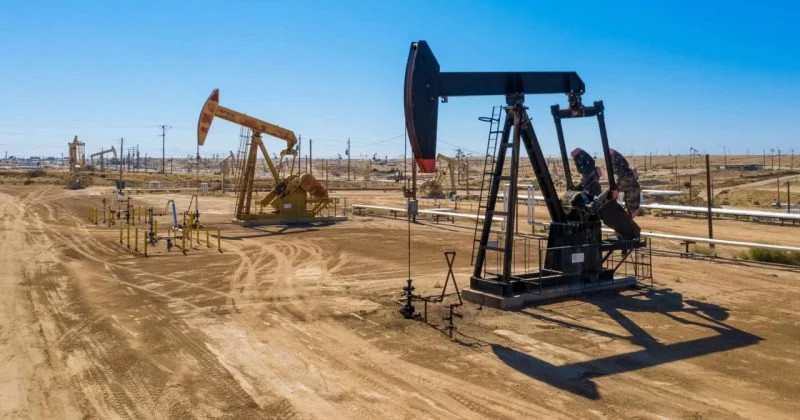
Japan is preparing to import one million barrels of Mexican crude oil in July 2026, marking its first shipment from Mexico since 2023. This deal, finalized between Japanese Prime Minister Sanae Takaichi and Mexican President Claudia Sheinbaum, is a direct response to the ongoing US-Israeli conflict with Iran, which has significantly increased geopolitical risks in the Strait of Hormuz. This vital waterway is responsible for transporting about 20% of the world’s oil supply daily. The conflict, which escalated in late February 2026, has transformed the Strait from a theoretically risky area to one that poses active concerns for nations reliant on imported energy.
Discussions leading to the agreement began in April 2026, shortly after the conflict intensified. While the volume of one million barrels may not seem substantial, the implications of this agreement are significant. Brent crude prices have surged over 22% year-over-year as of mid-July 2026, fluctuating between $79 and $85 per barrel. This increase reflects the supply anxieties that prompted Japan to seek diversification in its energy sources.
Market Reading & Resources
Sponsor funding complete. Trade on.
The rise in Brent crude prices exerts upward pressure on consumer prices across developed economies. For the Bank of Japan, which has been navigating a careful exit from its ultra-loose monetary policy, an inflation spike driven by oil prices complicates its strategy. Historically, tighter monetary conditions in Japan have strengthened the yen, which can affect carry trades that influence Bitcoin and the broader cryptocurrency market. The unwinding of the yen carry trade in mid-2024 illustrated how Japanese monetary policy can impact digital asset markets.
The trend of energy commodity trading is increasingly intersecting with blockchain technology, as tokenized energy assets and blockchain-settled commodity contracts gain traction among institutional investors. Although no specific cryptocurrency tokens or protocols have been directly associated with the Japan-Mexico crude deal, the overall digitization of energy trade presents a growing market for blockchain infrastructure projects focused on real-world asset tokenization.
Countries like South Korea, Taiwan, and India also face similar risks related to the Strait of Hormuz. Should they follow Japan’s example, the resulting reorganization of global crude flows could lead to significant structural changes, benefiting those who strategically position themselves in both energy markets and the blockchain infrastructure that supports them.