Fitch Solutions Forecasts Economic Challenges for Ghana in 2027
Fitch Solutions has projected that Ghana could face a resurgence of inflation, renewed pressure on the cedi, and slower economic growth in 2027. This outlook comes despite the government's ambitious investment program and expectations of sustained macroeconomic stability. The firm anticipates that inflation may exceed 10 percent in the latter half of next year, surpassing the government's target of eight percent, plus or minus two percentage points.
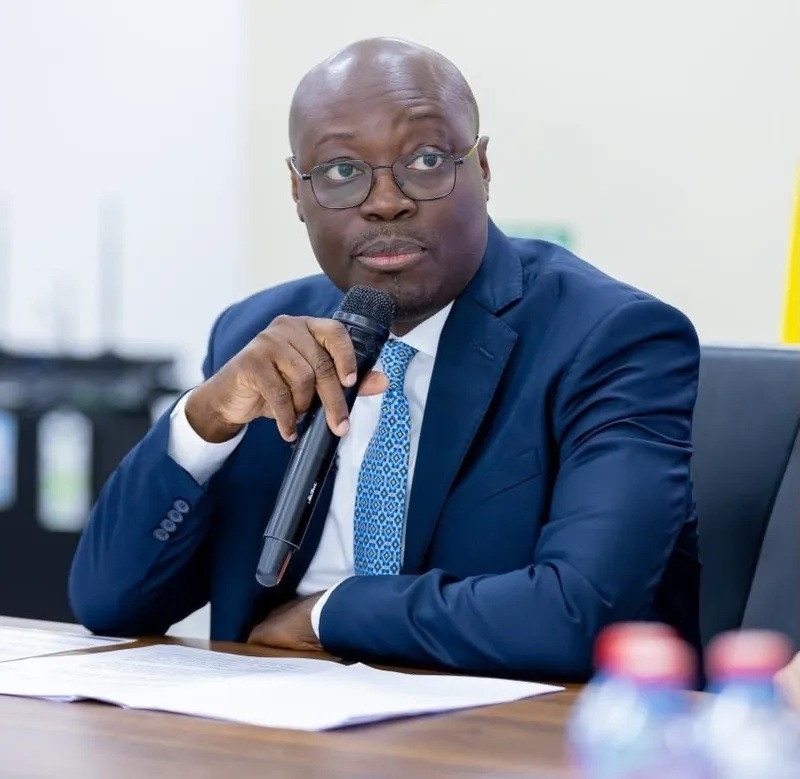
The assessment, presented by Mike Kruiniger, an Associate Director at Fitch Solutions, during a virtual address to PwC’s 2027 Post-Budget Forum, offers a more cautious perspective than the optimistic outlook shared by Finance Minister Dr. Cassiel Ato Forson during the presentation of the 2027 Budget Statement and Economic Policy.
Market Reading & Resources
Sponsor funding complete. Trade on.
While the government aims for economic growth of at least 5.2 percent in 2027, Fitch Solutions expects growth to slow to five percent, down from an estimated six percent in 2026. Kruiniger identified several factors contributing to this outlook, including rising international food prices, an expanding domestic money supply, and anticipated depreciation of the cedi.
The emerging El Niño weather phenomenon poses a risk to agricultural production globally, potentially leading to droughts and flooding. Such disruptions could exacerbate international food supply issues, driving up prices for essential commodities like rice and wheat, which Ghana heavily imports. Given that food constitutes a significant portion of Ghana's consumer price index, increases in international prices could directly impact domestic inflation and household budgets.
Kruiniger also expressed concerns regarding the growth of the money supply, indicating that liquidity has been increasing at a rate faster than economic growth. Historical trends suggest that this could lead to stronger demand-side inflationary pressures approximately 12 months later. Additionally, the expected weakening of the cedi could raise the domestic cost of imported goods and services, with Fitch Solutions predicting an average exchange rate of approximately GH¢12.40 to the US dollar in 2027.
Economic Pressures and Government Strategies Impacting Ghana's Currency
The anticipated pressure on the cedi is partly attributed to a moderation in gold prices and the government's efforts to rebuild foreign exchange reserves under the Ghana Accelerated National Reserve Accumulation Programme (GANRAP). A stronger US dollar, particularly if the Federal Reserve adopts a more hawkish monetary policy, could further strain Ghana's economic outlook by affecting gold prices and export earnings.
Despite these challenges, the planned increase in government investment, which is expected to support economic activity, is one of the factors underpinning Fitch's growth forecast. However, rising inflation could undermine household purchasing power and place additional pressure on consumption.
On the fiscal front, Fitch Solutions projects a widening budget deficit in 2027, estimating it to reach approximately 2.7 percent of GDP, the largest since 2023. This increase is largely due to higher government investment, with capital expenditure expected to rise to around five percent of GDP, its highest level since 2010. Kruiniger noted that improved revenue mobilization from income and property taxes had helped maintain a primary budget surplus in 2026, but the widening deficit reflects the government's ambitious spending plans.
Navigating Opportunities Amid Global Economic Challenges
Kruiniger also discussed the implications of the US-Iran conflict, predicting that oil prices may remain high until a preliminary agreement is reached in early 2027. Ghana has been relatively insulated from energy shocks due to its status as a significant crude oil exporter, although it still imports refined petroleum products. The widened energy trade deficit is estimated to represent only about 0.3 percent of GDP.
Ultimately, Kruiniger emphasized that Ghana's opportunity lies in translating its improved macroeconomic stability and investor confidence into tangible private-sector investment, which is crucial for job creation and economic recovery.