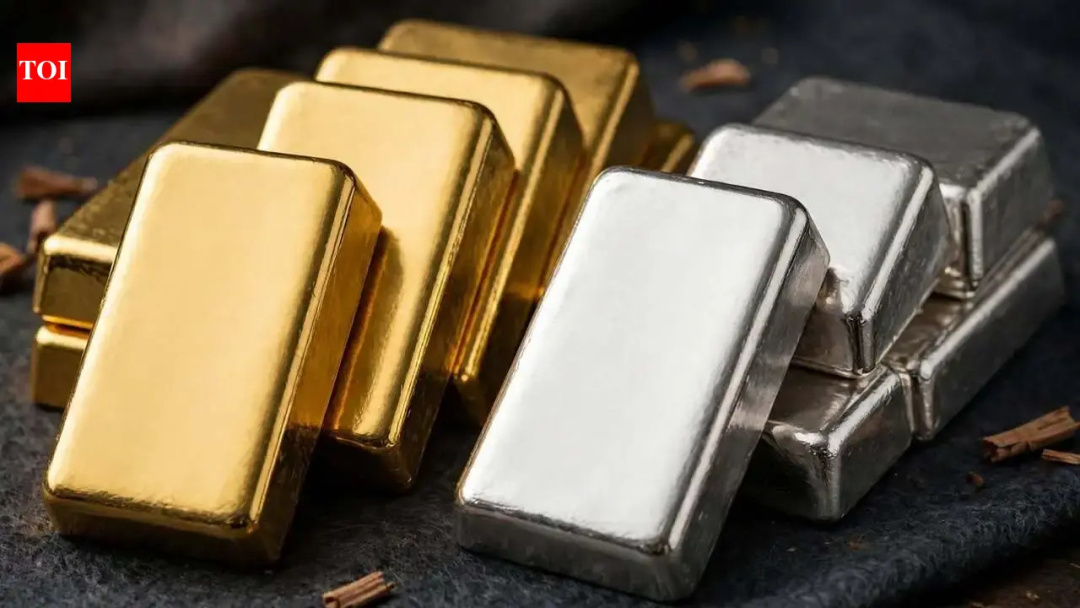
Gold Prices Rise as US Inflation Data Eases Rate Hike Concerns
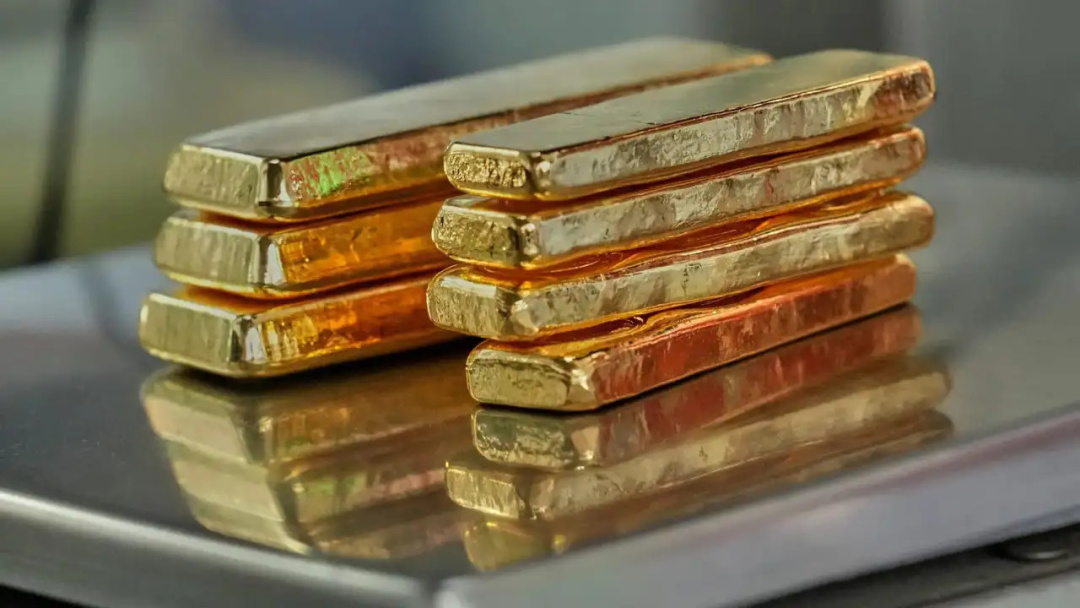
Gold prices saw a modest increase on Wednesday, buoyed by a softer-than-expected U.S. inflation report that alleviated immediate concerns regarding Federal Reserve interest rate hikes. Spot gold rose 0.1% to $4,056.69 an ounce, while U.S. gold futures for August delivery dipped slightly by 0.1% to $4,063.80. This uptick followed a significant surge of over 2% on Tuesday, as the June consumer inflation figures indicated a slowdown, primarily due to declining energy prices.
However, the market remains cautious due to escalating tensions in the Gulf region and rising oil prices, which could sustain inflationary pressures. Analysts note that while the inflation data provided some relief, the geopolitical landscape continues to pose risks that may affect gold's performance. Oil prices have been on the rise for three consecutive sessions, influenced by U.S. President Donald Trump's reimposition of a naval blockade on Iranian ports, raising concerns about further military actions and their economic implications.
Market Reading & Resources
Sponsor funding complete. Trade on.
Market expectations for a Federal Reserve rate hike have softened in light of the latest inflation data. According to the CME FedWatch Tool, the probability of a September rate increase has decreased to 58%, down from 76%. Investors are now looking ahead to the Producer Price Index (PPI) data, which is expected to provide further insights into inflation trends.
In the broader context of precious metals, palladium and platinum have also been in focus. Citi Research has maintained its short-term price targets for palladium at $1,500 per ounce and for platinum at $1,950 per ounce, despite recent market fluctuations. Spot palladium edged down 0.1% to $1,304.10 per ounce, while platinum gained 0.3% to $1,636.28 per ounce, reflecting a mixed sentiment in the market.
As investors await key economic indicators, attention is also directed towards China's economic performance, with expectations of slower growth potentially impacting demand from one of the world's largest gold consumers. On the supply side, Ghana's Gold Board reported that output from artisanal and small-scale mining is on track to match or exceed last year's record production, contrasting with a reported 5.4% year-on-year decline in South Africa's mining output in May. Overall, while the recent inflation data has provided a temporary boost to gold prices, ongoing geopolitical tensions and rising oil prices are likely to keep the market on edge as it navigates these complex dynamics.