Fed Chair Warsh Highlights Economic Risks of Superintelligence
Federal Reserve Chair Kevin Warsh has raised alarms about the potential economic disruption caused by superintelligence, describing it as a critical turning point in history. He argues that the rapid advancement of artificial intelligence could fundamentally alter economic landscapes in the United States and globally.
On November 16, 2026, Warsh is set to lead a public forum in San Francisco focused on the implications of superintelligence for productivity, employment, and the broader economy. This event is part of the Fed’s Productivity and Jobs Task Force, where Warsh will deliver keynote remarks and engage with industry leaders and scholars on how businesses are integrating this technology.
Market Reading & Resources
Sponsor funding complete. Trade on.
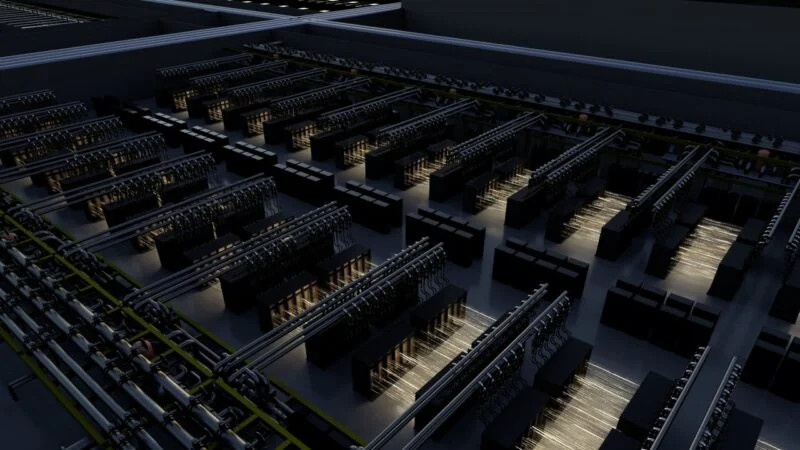
Warsh's concerns center around the timing of AI's economic impact. He notes that companies are currently investing heavily in AI infrastructure, which is driving demand for chips, energy, construction, and labor, potentially leading to higher prices in the short term. However, he believes that the long-term benefits, such as increased productivity, may take time to materialize.
The scale of investment in AI is substantial, accounting for approximately half of the recent growth in capital expenditures. Warsh highlighted that annualized token sales at leading AI labs have exceeded $100 billion, reflecting a significant surge in spending on AI systems. In this context, a token refers to a unit of text that AI models process, and the growing costs indicate a rising global investment in AI technologies.
Warsh Seeks Real-Time Data to Evaluate AI's Economic Impact
To gauge the effectiveness of these investments, Warsh has requested real-time data to assess whether a productivity boost can offset the inflationary pressures stemming from current capital expenditures. His tenure as Fed Chair, which began in May 2026, has been marked by an unusual focus on the economic implications of AI, diverging from traditional central banking discussions.
Navigating AI's Influence on Inflation and Employment
Warsh's comments suggest a broader understanding of how AI could influence both inflation and employment. The Fed's dual mandate of maintaining stable prices and maximizing employment could be impacted by AI's potential to drive short-term price increases while reshaping the labor market in the long run.
As investors consider the implications of Warsh's AI perspective on interest rate decisions, the upcoming forum will be a critical moment to observe his stance on balancing inflation risks against the potential productivity gains from AI. Warsh's assertion that understanding AI is essential for comprehending the economy underscores the significant role that AI infrastructure plays in shaping future economic conditions.