Indonesia Implements Measures to Address Food Inflation
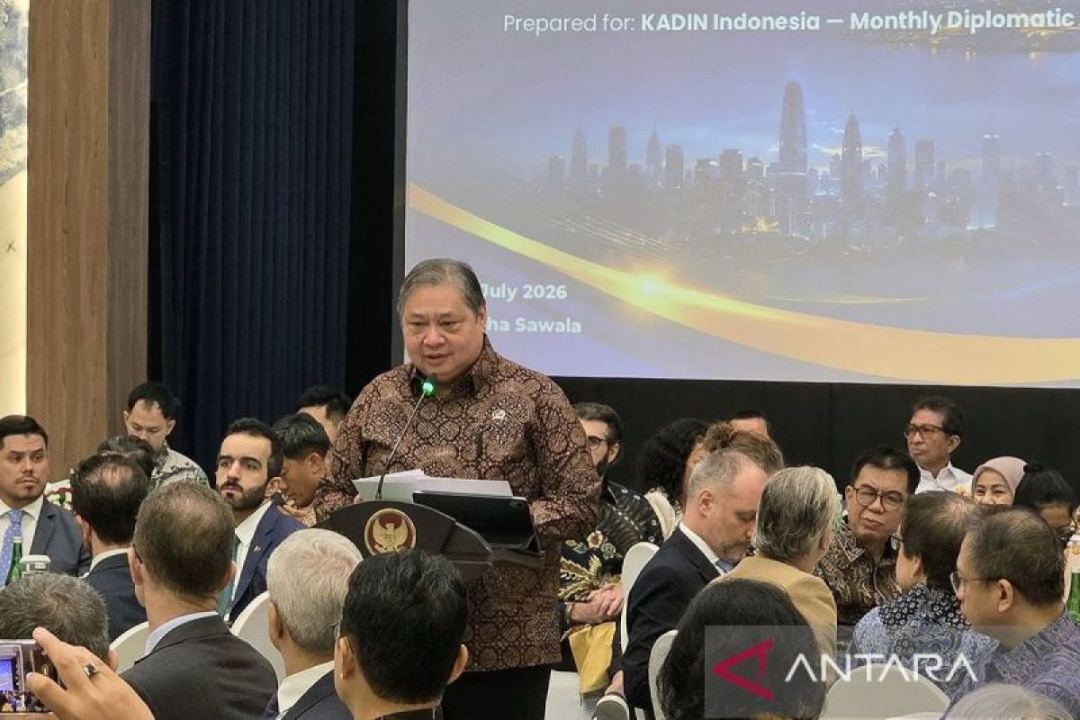
The Indonesian government is actively preparing measures to combat inflation, particularly concerning volatile food prices and increasing industrial production costs. Coordinating Minister for Economic Affairs Airlangga Hartarto emphasized the importance of monitoring key commodities that could contribute to inflationary pressures. He noted that while gold prices have recently declined, food prices remain a significant concern. Managing the costs associated with volatile food items, such as garlic, is a priority to prevent undue inflationary pressure on the economy. The government is also focusing on the rising costs of packaging, which significantly affect retail food prices. Hartarto pointed out that nearly all food products rely on plastic packaging, making these costs critical to overall inflation. To tackle production and logistics expenses, the government has implemented policies targeting key industrial and transport sectors. This includes the rapid issuance of a new Ministry of Finance Regulation aimed at addressing the rising costs of petrochemicals and plastics. Additionally, the government has introduced zero-percent import duties on liquefied petroleum gas (LPG) and essential aviation spare parts to help lower operational costs in air transport, a significant factor influencing regional inflation. Hartarto expressed optimism that these targeted interventions would effectively mitigate future price pressures. He explained that the exemption of import duties on LPG and machinery spare parts is intended to stabilize the transportation sector, which has a direct impact on consumer price indexes. By addressing these critical areas, the government aims to maintain a stable economic environment amid ongoing inflationary challenges.
Market Reading & Resources
Sponsor funding complete. Trade on.