Japan's Economic Outlook Under Scrutiny as Key Data Approaches
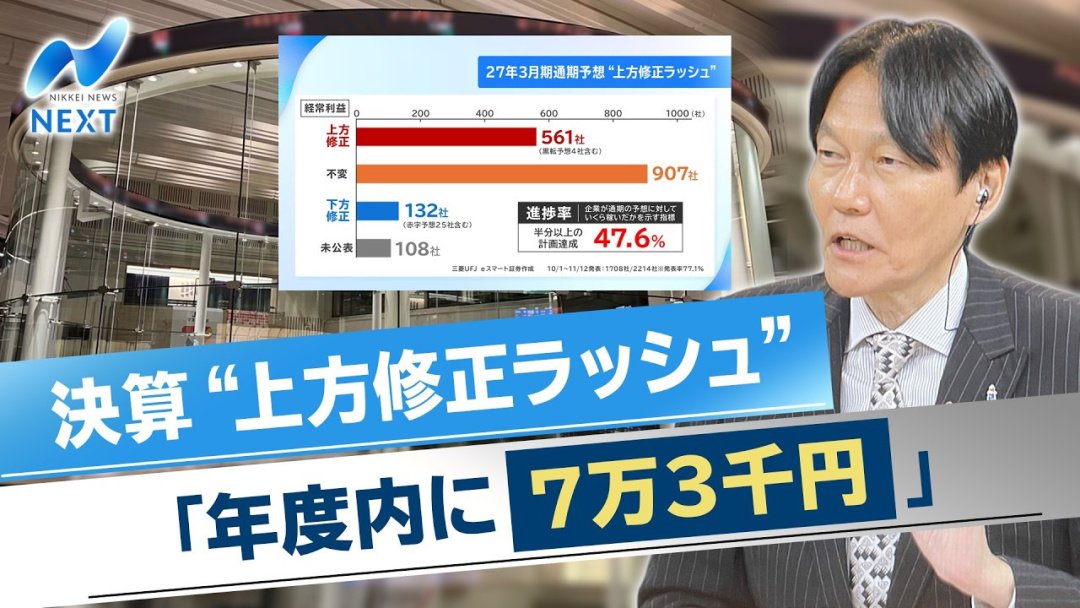
Japan is entering a pivotal week for its economic outlook, with significant data releases scheduled from November 16 to November 20, 2026. The preliminary gross domestic product (GDP) figures for the July-September quarter will provide a broad assessment of economic performance during the summer months. Analysts expect growth to have slowed, with projections indicating an expansion of around 0.1%. This raises questions about the strength of household consumption and business investment in the face of rising living costs and a weakening yen.
The composition of growth will be critical. Key indicators such as household spending, corporate capital expenditure, exports, and private inventories will help determine if Japan's economy is benefiting from higher wages and business investment or becoming increasingly reliant on government support. Weak consumption could heighten concerns that rising costs are eroding purchasing power, despite nominal wage increases.
Market Reading & Resources
Sponsor funding complete. Trade on.
The GDP figures will also influence discussions surrounding the government's economic stimulus plans. Policymakers are faced with the challenge of balancing support for households and strategic industries while maintaining fiscal credibility as government borrowing costs rise. A disappointing growth report could bolster arguments for additional spending, while stronger figures might lessen the urgency for further intervention.
Following a busy earnings season, Japan's corporate sector is entering the week with nearly 800 listed companies having reported results. These announcements have revealed a broad improvement in profitability, extending beyond sectors like artificial intelligence and semiconductors. An analysis of companies reporting before November 13 showed that approximately 67% were forecasting higher ordinary profits, indicating a positive outlook for corporate earnings in the second half of the fiscal year.
Japanese Banks Report Record Profits Amid Economic Shifts
Notably, major Japanese banks have reported record net profits for the April-September period, benefiting from higher domestic interest rates. Mitsubishi UFJ Financial Group, Sumitomo Mitsui Financial Group, and Mizuho Financial Group all raised their profit forecasts, reflecting the advantages of increased lending margins as Japan gradually moves away from a prolonged period of low borrowing costs.
As the week progresses, attention will shift to various economic indicators, including revised industrial production figures and trade statistics. These will provide insights into the performance of key sectors such as manufacturing and services, which are vital for Japan's economic health. The upcoming consumer price index report will also be closely monitored, as it will reveal whether inflation is accelerating or easing, impacting household purchasing power and business costs.
Critical Week Ahead for Japan's Economic Stability
The yen's performance remains a central concern, having weakened beyond 160 to the dollar, raising the possibility of government intervention in currency markets. While a weaker yen can benefit exporters, it also increases the cost of imports, which could exacerbate inflationary pressures for domestic consumers. The bond market will be tested as well, with government debt auctions providing clues about investor confidence amid rising interest rates and inflation.
In summary, the upcoming week is set to be crucial for Japan's economic trajectory, with key data releases expected to shape policy discussions and influence market sentiment. Investors and business leaders will be closely watching these developments to gauge the sustainability of Japan's economic recovery and the potential need for further government intervention.