Trump Anticipates Low Inflation Amid Renewed Strikes on Iran
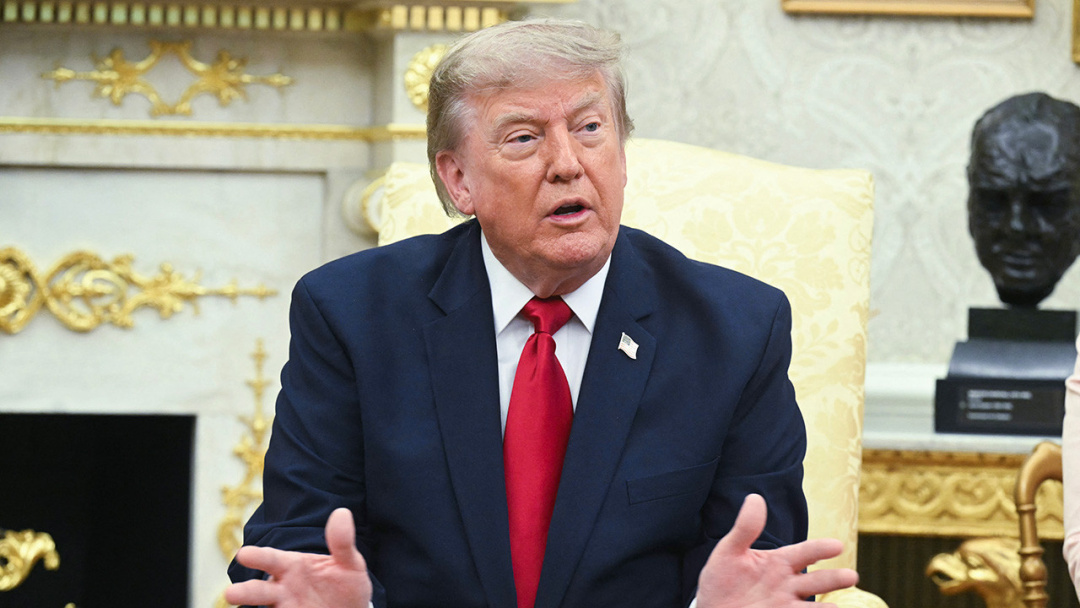
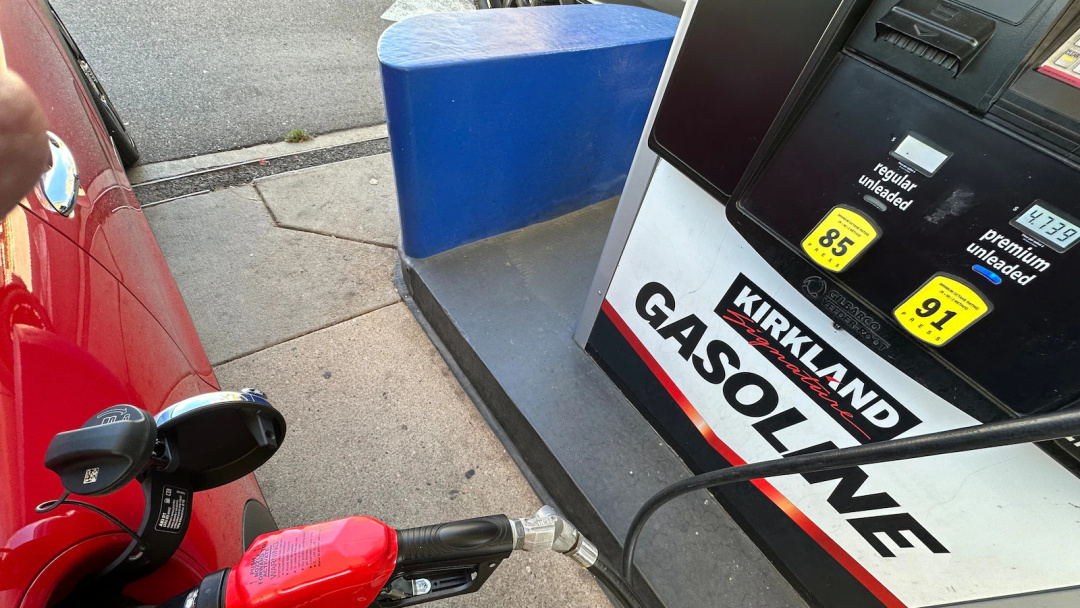
President Donald Trump has indicated that he expects inflation to stay low, even as renewed military strikes against Iran could potentially drive up energy costs. Following the release of the Consumer Price Index, which showed inflation dropping to 3.5% in June, Trump informed Congress that limited military action against Iran has resumed. This escalation includes strikes that have occurred over three consecutive nights, coinciding with Iranian missile attacks on tankers in the Strait of Hormuz.
When asked about the outlook for inflation in the coming month, Trump expressed optimism, stating, "I think so," and highlighted the recent inflation drop as a significant achievement. He remarked on the historical context of inflation rates, recalling periods where inflation reached as high as 9% and 10%. The recent decline in inflation marks the largest decrease since April 2020, which Trump described as an "incredible" report, suggesting that prices are decreasing and that his administration is effectively managing the economy.
Market Reading & Resources
Sponsor funding complete. Trade on.
Trump urged the public to remember these economic developments as the midterm elections approach, asserting that his administration is responsible for bringing prices down. He emphasized that the Federal Reserve, under the leadership of Chair Kevin Warsh, is committed to maintaining low inflation. Economists had anticipated a rise in inflation in the latest report, which would have increased pressure on the Fed to adjust interest rates. However, the favorable inflation results have alleviated that pressure for the time being.
At a recent Fed meeting, the board unanimously decided to keep interest rates unchanged. Warsh reassured lawmakers of the Fed's commitment to controlling inflation, stating, "If we get policy right—and we will—the inflation surge of the last five years will be a thing of the past." As tensions in the Middle East continue to escalate, the potential economic ramifications remain a focal point for both policymakers and the public.